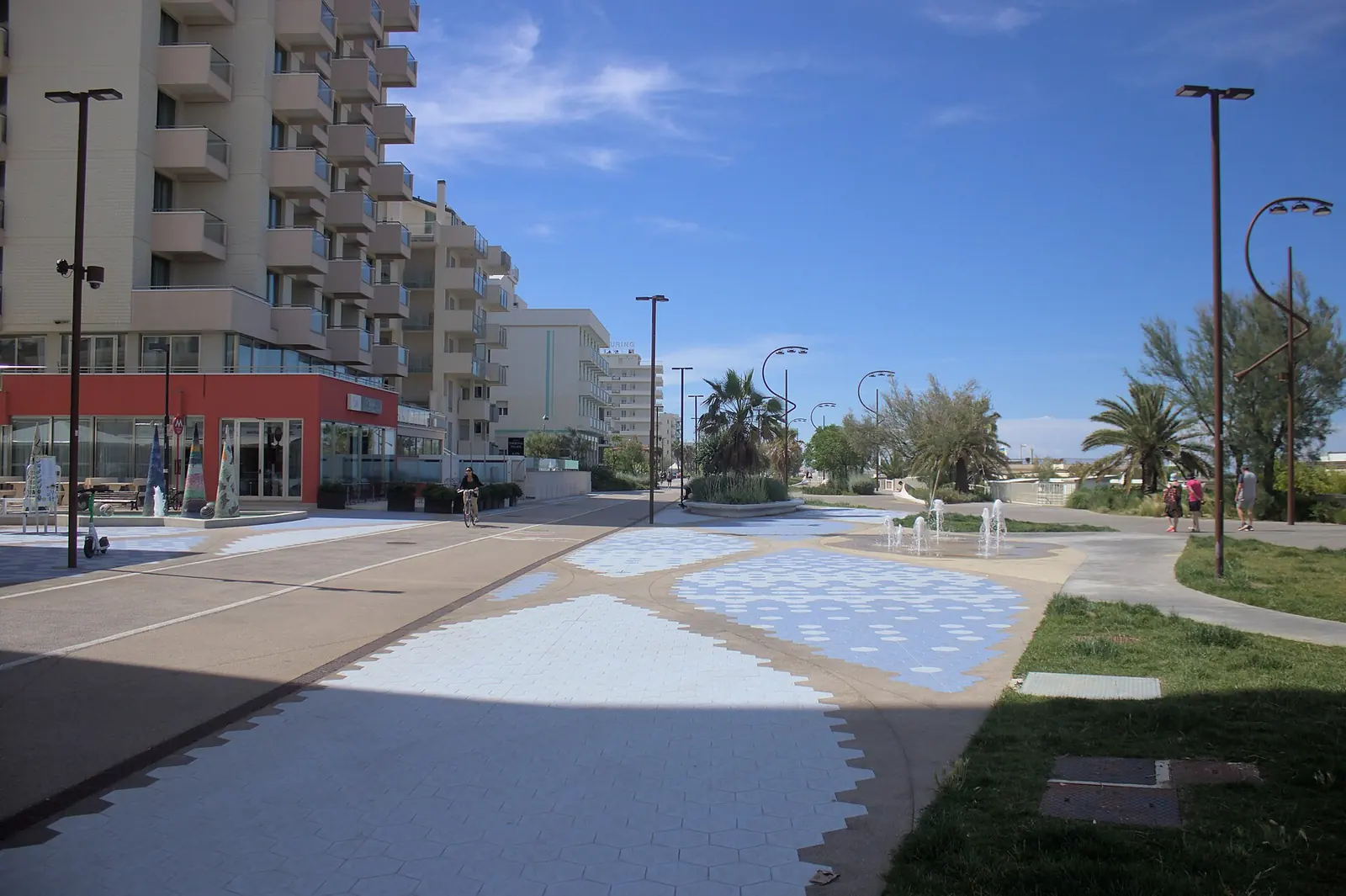
Photo by Aktron, Wikimedia Commons, CC BY-SA 4.0
Hotels on the Riviera Romagnola
Hotels for disabled visitors
The regulations refer to accessible buildings rather than “hotels for disabled visitors”: places that can be reached, entered and used, including their spaces and equipment, safely and independently, even with reduced mobility or sensory abilities. For a hotel, the law sets a minimum number of accessible rooms; further details come from the property's information about the allocated room and access routes.
What the law says
The decreto del Ministero dei lavori pubblici of 14 June 1989, n. 236, requires every accommodation property (hotels, guesthouses, holiday villages and campsites) to provide access to all shared areas and services and a minimum number of rooms: at least two for up to 40 rooms, plus two for every further 40 or part thereof. Accessible rooms must also be usable by wheelchair users. If they have no bathroom, an accessible one must be nearby on the same floor.
The same decree preferably places these rooms on lower floors, near an accessible escape route, and considers an audible and visual alarm appropriate in each room. Legge 9 gennaio 1989, n. 13, additionally requires a lift for every main staircase in buildings with more than three above-ground levels.
Three terms in the decree help interpret property descriptions. An accessible space can be reached and used independently. A visitable space allows access to areas for social interaction and at least one toilet. An adaptable space can be modified over time, at limited cost, to make it fully usable.
These rules apply to construction and refurbishment: the testo unico dell'edilizia (D.P.R. 380/2001, article 82) applies them to work on privately owned buildings open to the public. The date of the most recent building work is therefore useful information about a hotel.
Sources: legge 13/1989, article 1; D.M. 236/1989, articles 2 and 5 (point 5.3); D.P.R. 380/2001, article 82, accessed on Normattiva on 10 October 2026.
From arrival to the room
The assessment follows the actual route of a stay: car park or stop, entrance, reception, lift, room and bathroom. A single step or narrow passage can interrupt it even when the room is equipped.
| Space or service | Useful information to obtain |
|---|---|
| Admission | step-free route, any ramp and access arrangements |
| Lift | door and cabin dimensions |
| Room | number of accessible rooms, floor, passage widths and space beside the bed |
| Bathroom | in the room or on the same floor, shower, grab rails and transfer space |
| Restaurant | route, table layout and provision for dietary requirements |
| Communications | audible and visual alarm, signals for sensory requirements |
Recent photographs, measurements and written confirmation for the booked room are more useful than a list of equipment: a hotel has few accessible rooms, and they may already be occupied on the chosen dates.
The Regione portal
The regional Welcome Everybody portal covers Emilia-Romagna's 14 coastal municipalities. Searches can be filtered by type of place (accommodation, holiday villages and campsites, beach establishments, dining, museums and tourist offices), resort and 17 requirements, from allergies and wheelchair use with or without a companion to pregnancy and cognitive difficulties. The entries describe properties participating in the project; the portal advises contacting the property afterwards and publishes unavacanzaperme@regione.emilia-romagna.it for questions about the project.
The portal covers municipalities in Emilia-Romagna: Gabicce Mare, in the Marche, is not included.
From hotel to beach
In Emilia-Romagna, the regional bathing ordinance requires every beach establishment to have boardwalks and access suitable for disabled people, with routes perpendicular to the shoreline reaching close to the water. Accessible toilets display the international symbol.
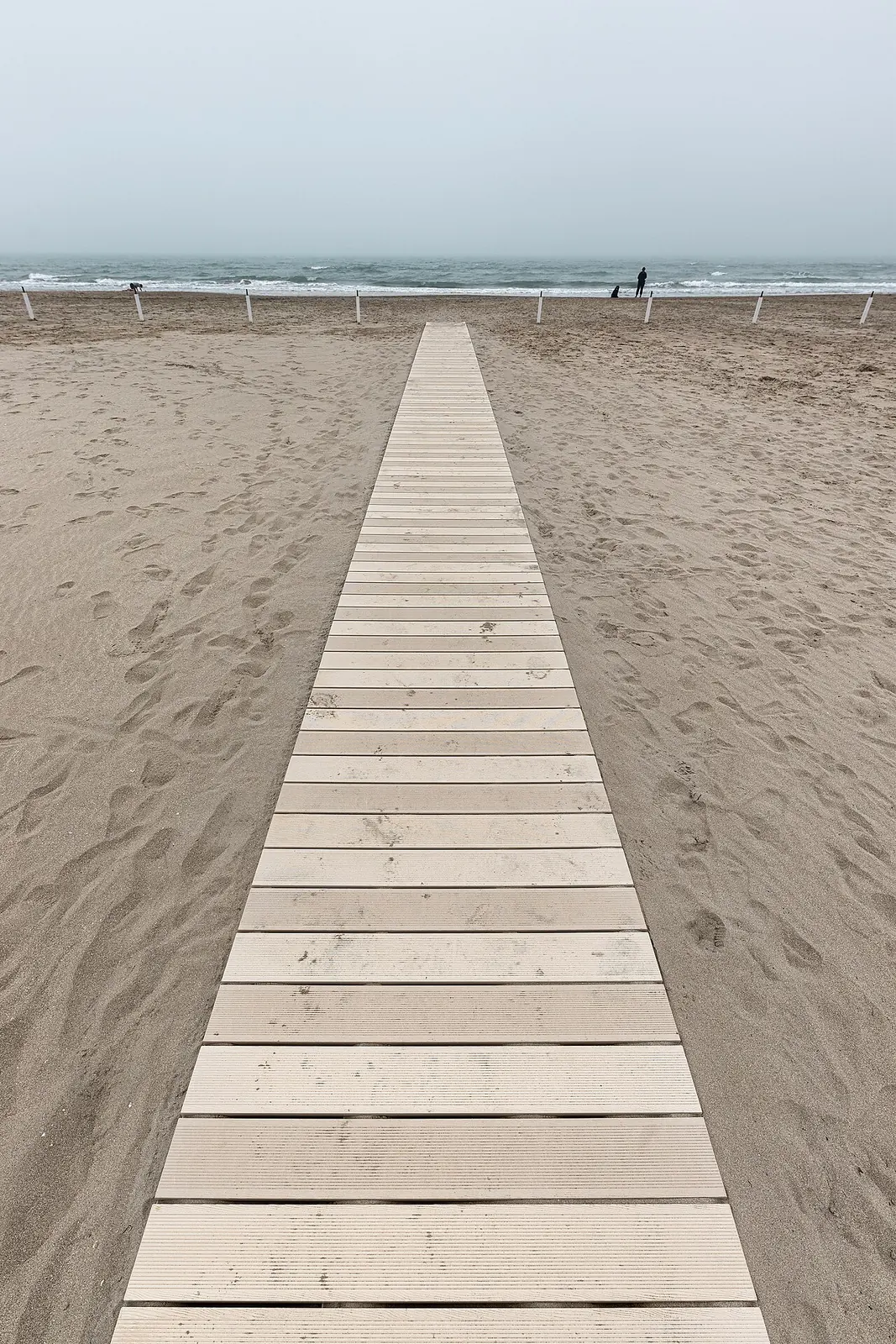
Between the hotel and beach establishment, road crossings, gradients and seafront paving also need consideration. Equipment for entering the water and assistance depend on the services of individual Comuni and beach establishments, described in each resort's beach guide, starting with the guide to Riviera beaches.
Source: Regione Emilia-Romagna, ordinanza balneare n. 1/2019 as set out in determinazione n. 8398 of 29 April 2026, accessed on 10 October 2026.
Trains, buses and assistance
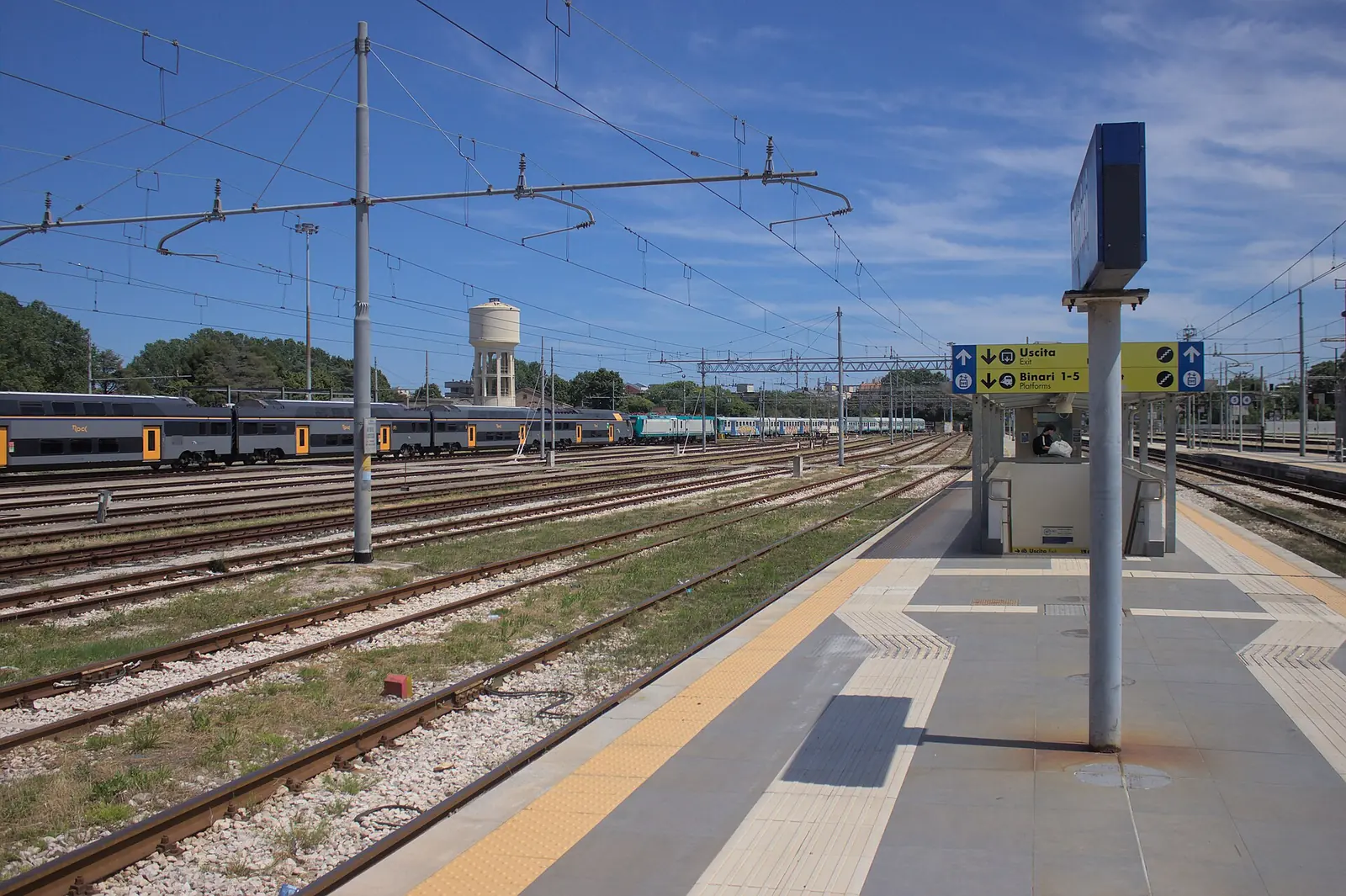
At Riviera stations, RFI assistance for disabled passengers or passengers with reduced mobility is provided at Bellaria, Cesenatico, Cervia-Milano Marittima, Rimini, Riminifiera and Riccione; Igea Marina, Misano Adriatico and Cattolica do not appear on the list, and Pesaro is the nearest station offering assistance for Gabicce Mare. The service can be booked online or through the app up to 3 hours before departure, by email up to 6 hours before, or by telephone, at stations such as these, at least 12 hours before, on the freephone number 800 90 60 60 (from a landline) or +39 02 32 32 32. Confirmation depends on the notice required by the station.
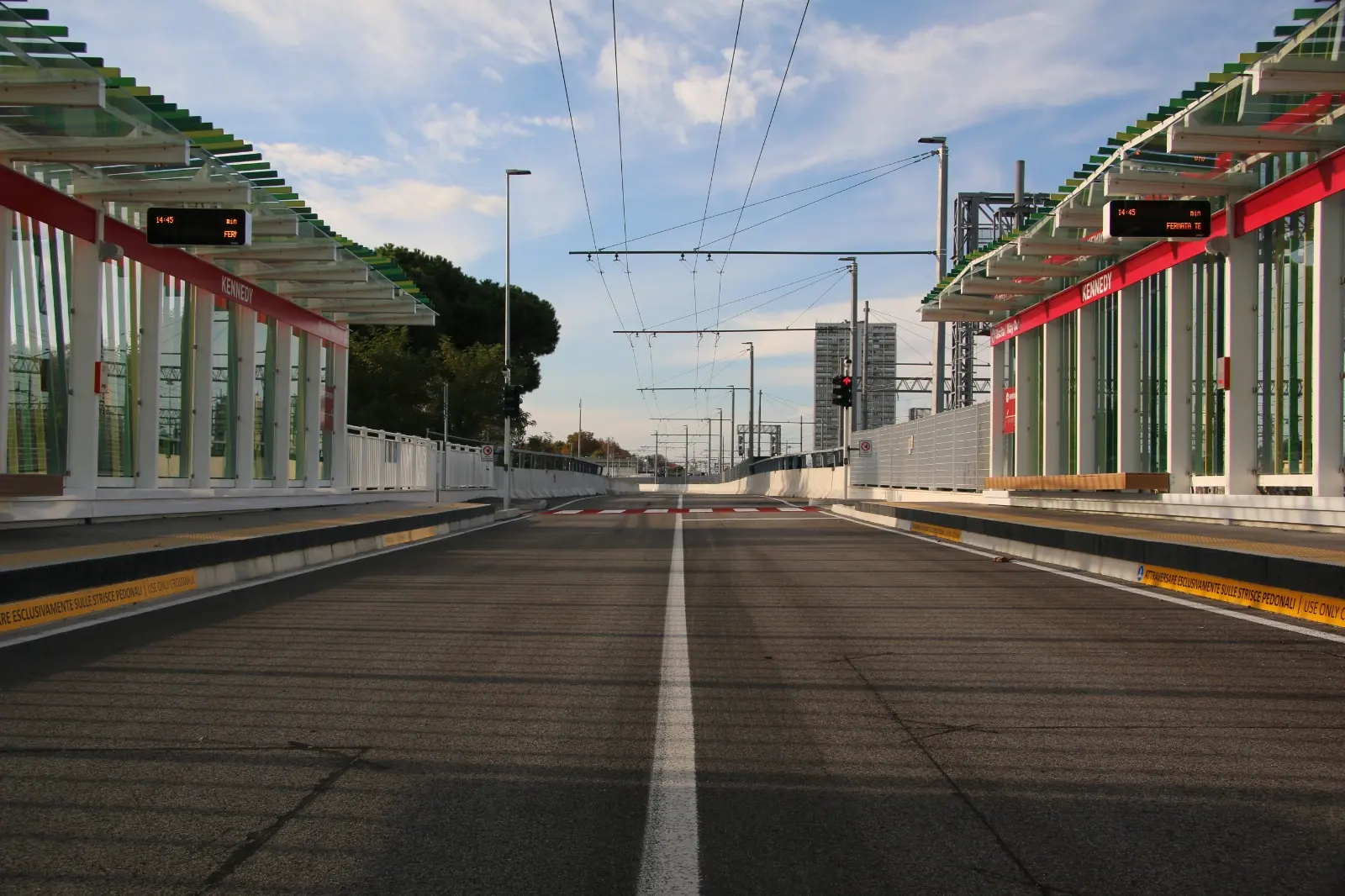
Metromare between Rimini and Riccione has stops for level boarding and low-floor vehicles. On Start Romagna buses, wheelchair boarding is available on vehicles with a ramp or lift at suitable stops, and each vehicle has few dedicated spaces. The route from the stop to the hotel still needs to be checked with the property.
Sources: RFI, pages on Sale Blu assistance and stations offering assistance, accessed on 10 October 2026; Start Romagna, “Start per tutti” page, accessed on 10 October 2026.
Resort guides
Areas, connections and tourist tax exemptions differ between Comuni: they are described in the resort guides: hotels in Rimini, hotels in Riccione, hotels in Cesenatico, hotels in Cervia, hotels in Cattolica, hotels in Bellaria Igea Marina, hotels in Misano Adriatico, hotels in Milano Marittima and hotels in Gabicce Mare.