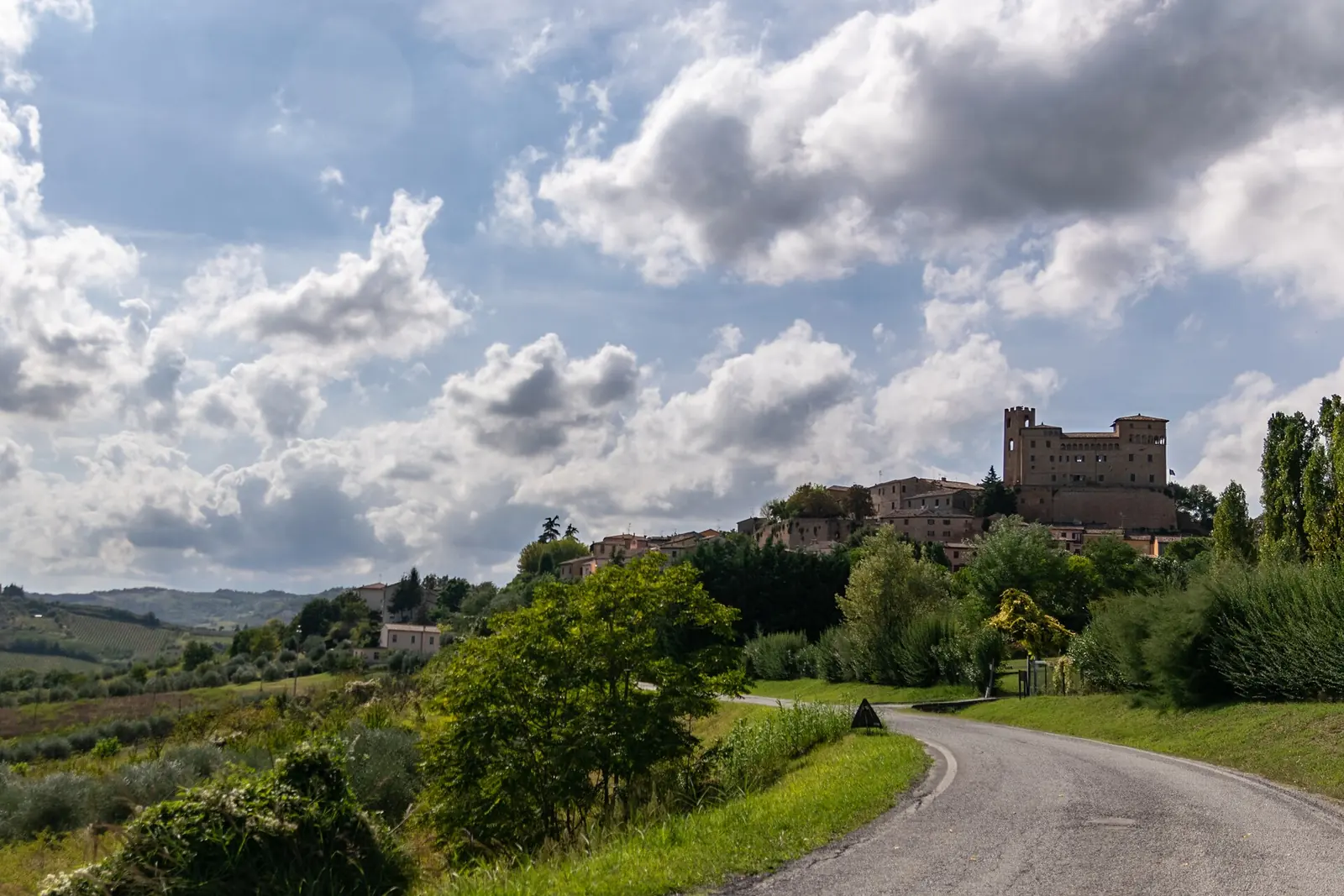
From Cesenatico, cycling routes follow the Pisciatello towards Cesena or the coast, while walks link canal harbour and parks. Longiano and Bertinoro offer a day in the hills, with travel separate from the urban visit. Distance, surface and the return journey matter most when choosing a trip, alongside time devoted to museums and monuments.
The Pisciatello cycle route towards Cesena
The Pisciatello cycle route links Cesenatico and Cesena over around 15 kilometres. It is accessible from the canal harbour heading inland or from the cycle path along Via Cesenatico. It alternates asphalt and fine gravel through the countryside.
The same route out and back totals around 30 kilometres, plus a tour of central Cesena.
The limited elevation gain makes this outing different from hill routes, but the surface requires a suitable bike and care after rain. A shorter ride can follow part of the route and turn back, without necessarily reaching Cesena.
Other bike rides between coast and hills
The Comune's cycle tourism map, in its third edition in 2025, brings together itineraries with GPX tracks. The route towards the Rubicone mouth measures 10.5 kilometres; the Cervia pinewoods route is listed as 25. The 36-kilometre route through Cesena's historic centre differs from the Pisciatello connection alone.
The 44-kilometre Montiano and Longiano circuit introduces hinterland climbs. The Milano Marittima and Classe pinewoods route reaches 68 kilometres, with cycle paths and dirt tracks.
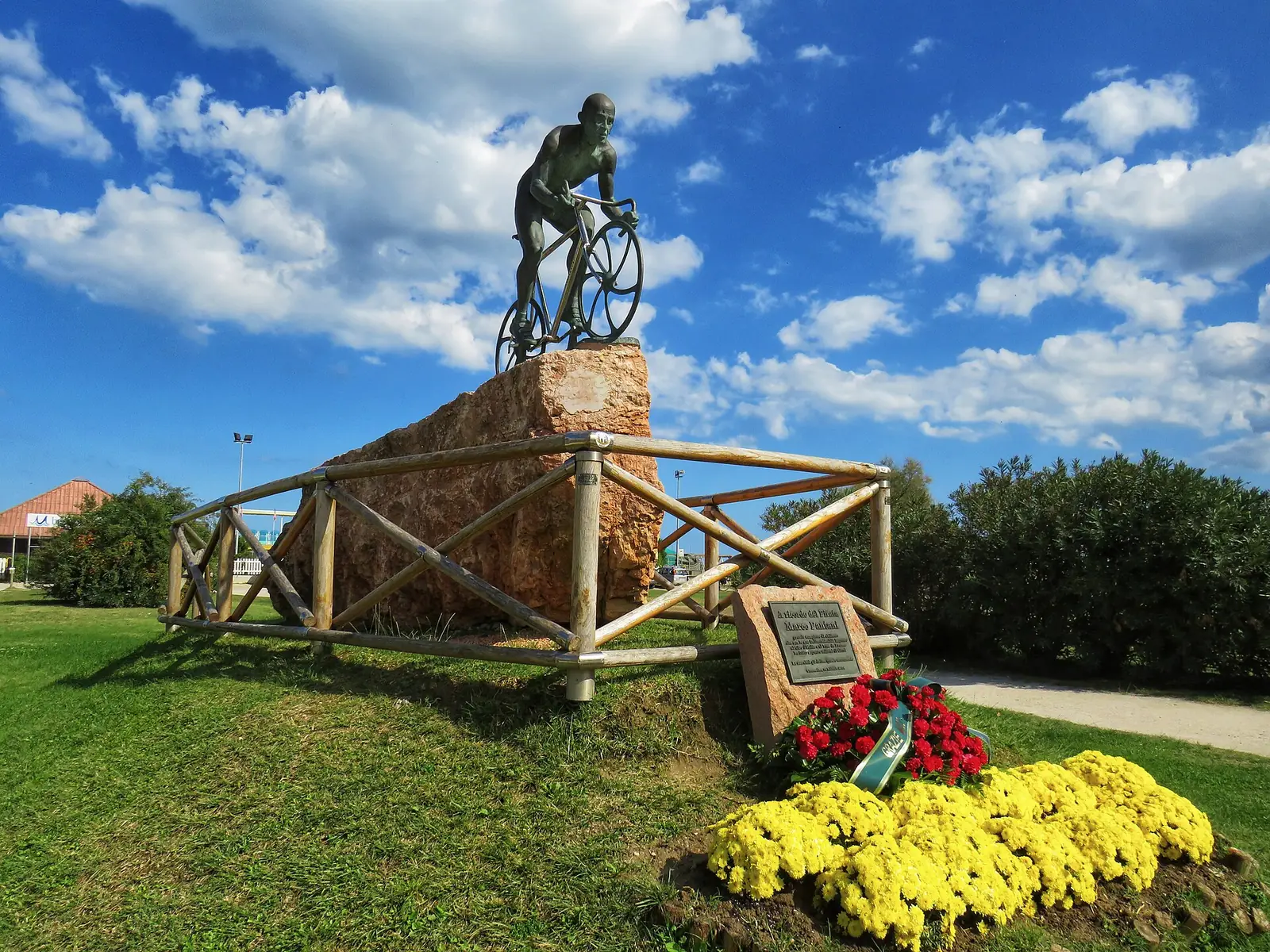
Nove Colli is linked to Cesenatico's cycling history, where the granfondo began in 1971. Its routes through the hinterland hills require training.
On foot from the harbour to the pier
The canal harbour divides Levante and Ponente, linking quays, squares and maritime sites. Leonardo da Vinci documented it in drawings during his 1502 visit: the harbour had medieval origins, predating his inspection.
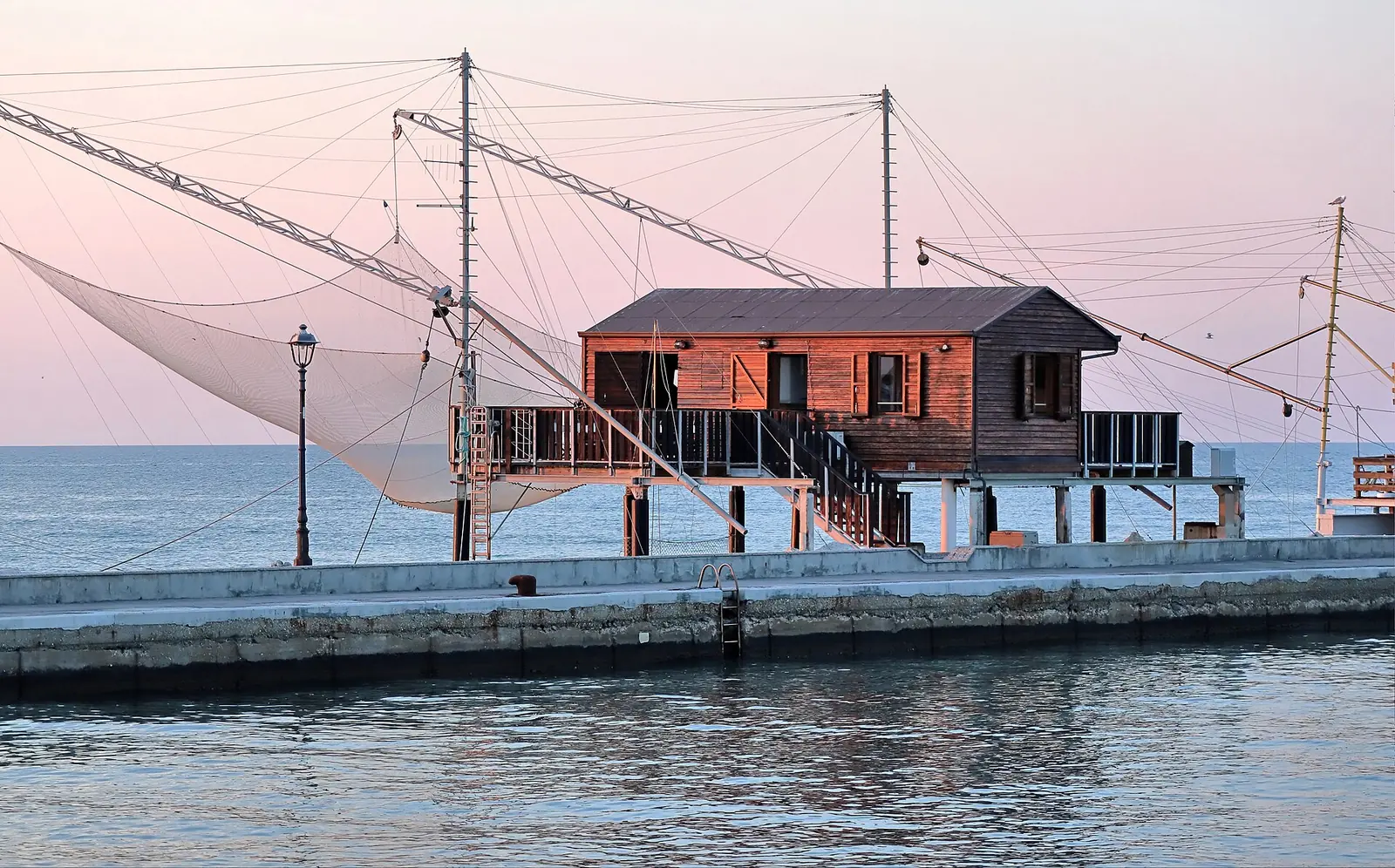
The municipal walking map offers a 2.3-kilometre loop around the pier area, between fishing huts, lighthouse, porte vinciane gates and traces of the Second World War. The gates protect the harbour from storm surges; huts and harbour structures are viewed from outside, in publicly accessible spaces.
The upstream bridges provide crossings between the banks; harbour ferries have their own service.
Museo della Marineria and Casa Moretti
Traditional boats in the floating section of Museo della Marineria are moored in the innermost stretch of the canal harbour and can be viewed freely from the quays.
The land-based section explores boatbuilding and navigation; the Antiquarium presents archaeological finds, and Casa Moretti preserves the poet's memory. One ticket covers the museum, Antiquarium and Casa Moretti, open on Saturdays, Sundays and public holidays; schools and groups can book special openings. Hours and prices are on the Museo della Marineria information page. The museum, on Via Armellini, is around 200 metres from the station.
Parks and the Zadina pinewood
Parco di Levante, with lawns, trees and small lakes, and Parco di Ponente offer short outings through greenery within the town.
The Comune's map also offers a 9-kilometre route from the harbour to the Zadina pinewood. It passes through the marina and Ponente seafront area, reaching the Cervia boundary.
The Roman kiln at Ca' Turci is another destination on the 9.9-kilometre inland walking route. Activities for children in Cesenatico help with choosing stops and visits for a family day.
Trips out to sea
In summer, motorboat trips along the coast depart from the harbour and coastal boarding points.
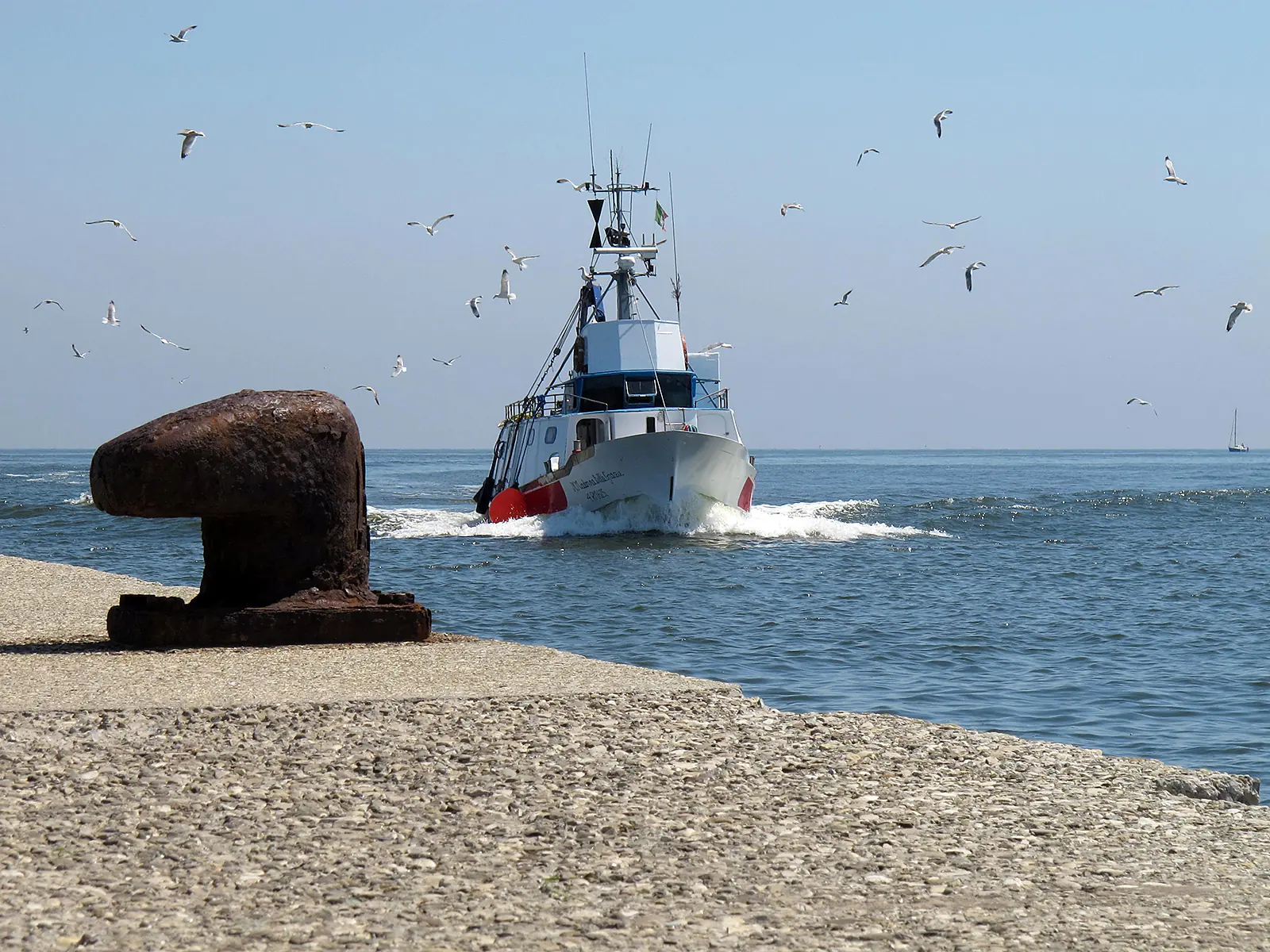
Museo della Marineria also has a historic sailing school, with its own programme of outings.
Cesena, Longiano and Bertinoro
In Cesena, Biblioteca Malatestiana offers a visit devoted to the humanist library commissioned by Malatesta Novello. Since 2005, it has been inscribed on UNESCO's Memory of the World Register, devoted to documentary heritage. The old reading room is visited in booked time slots.
Longiano offers a cultural stop in the hills through Castello Malatestiano di Longiano, closed on Mondays, and its 20th-century art collection. The village is accessible during the Montiano cycling circuit or as a destination in its own right.
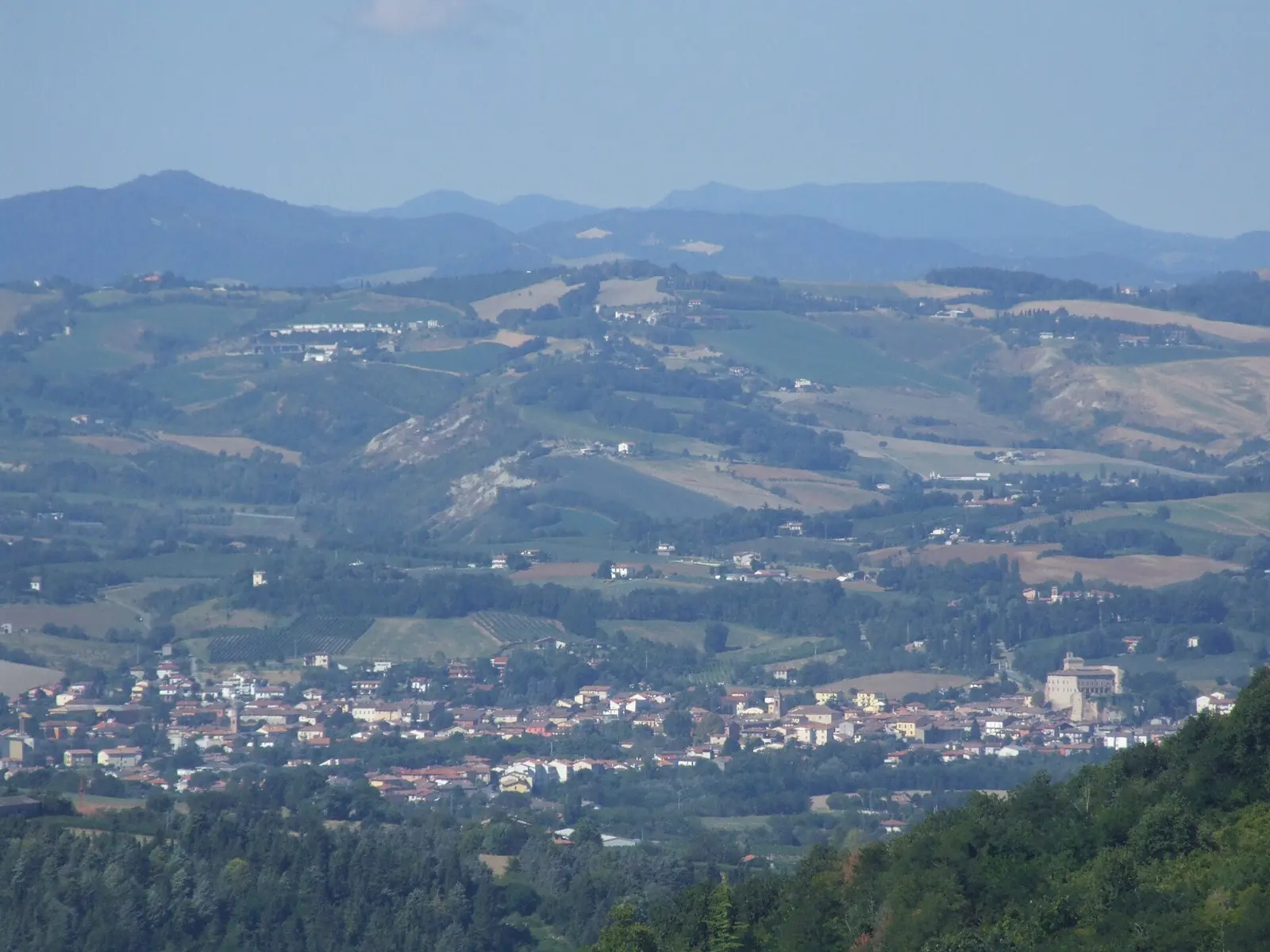
Bertinoro offers the view from Piazza della Libertà and Colonna dell'Ospitalità, with twelve rings linked to the tradition of village families. Savignano sul Rubicone offers a trip to the Roman bridge.
Start Romagna route 94 links Cesenatico and Cesena; Longiano and Bertinoro then require a second bus from Cesena.
Connections along the coast
Cesenatico station is on the Rimini-Ravenna line: trains run to Cervia, Ravenna and Rimini.
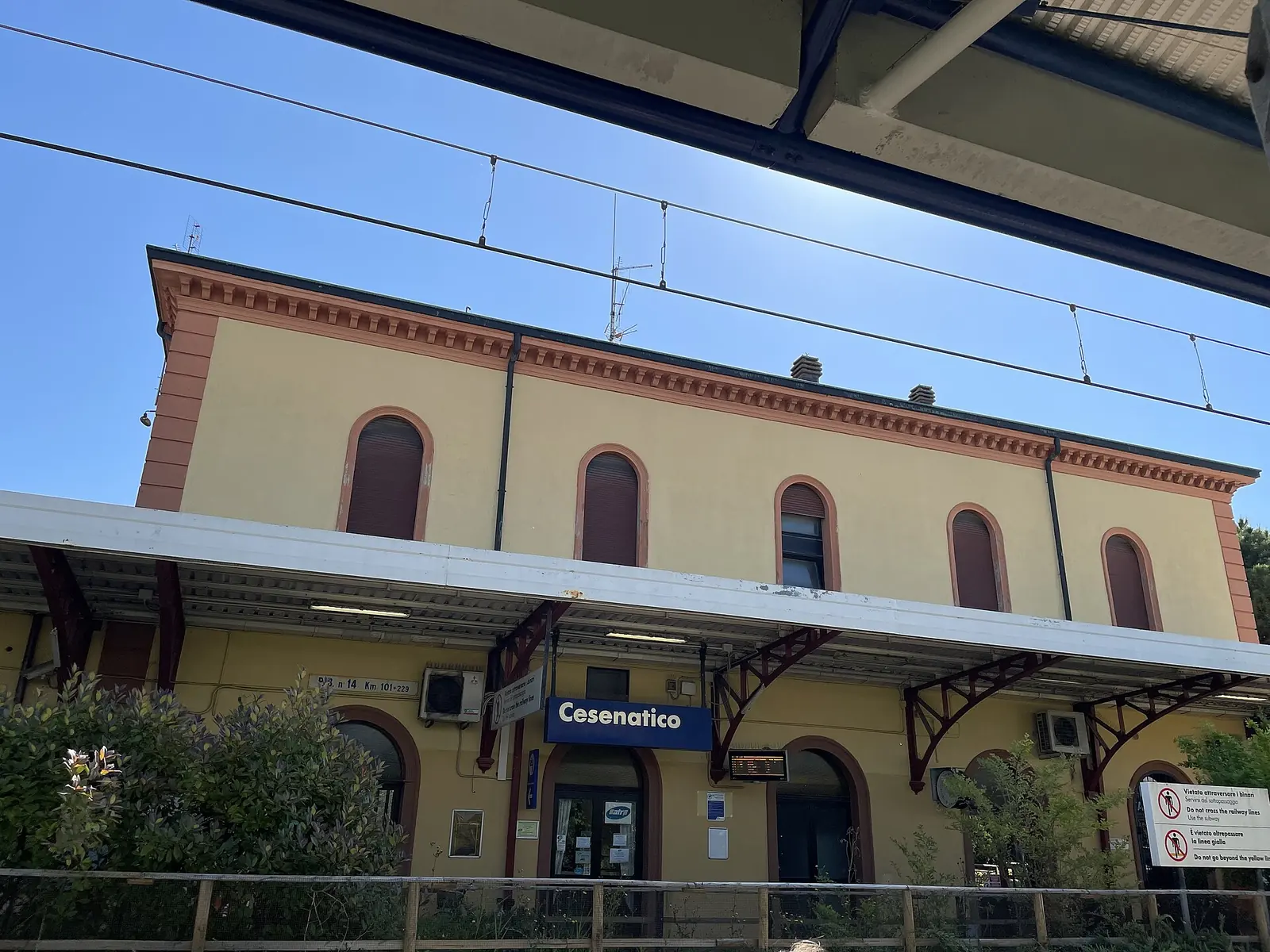
The official Start Romagna timetables distinguish year-round connections from seasonal and school services. The Cesenatico guide gathers the urban stops; Riviera Romagnola itineraries allow comparisons between riverside trips and those to pinewoods and villages.