Skip to content
Riviera Romagnola The nine coastal resorts
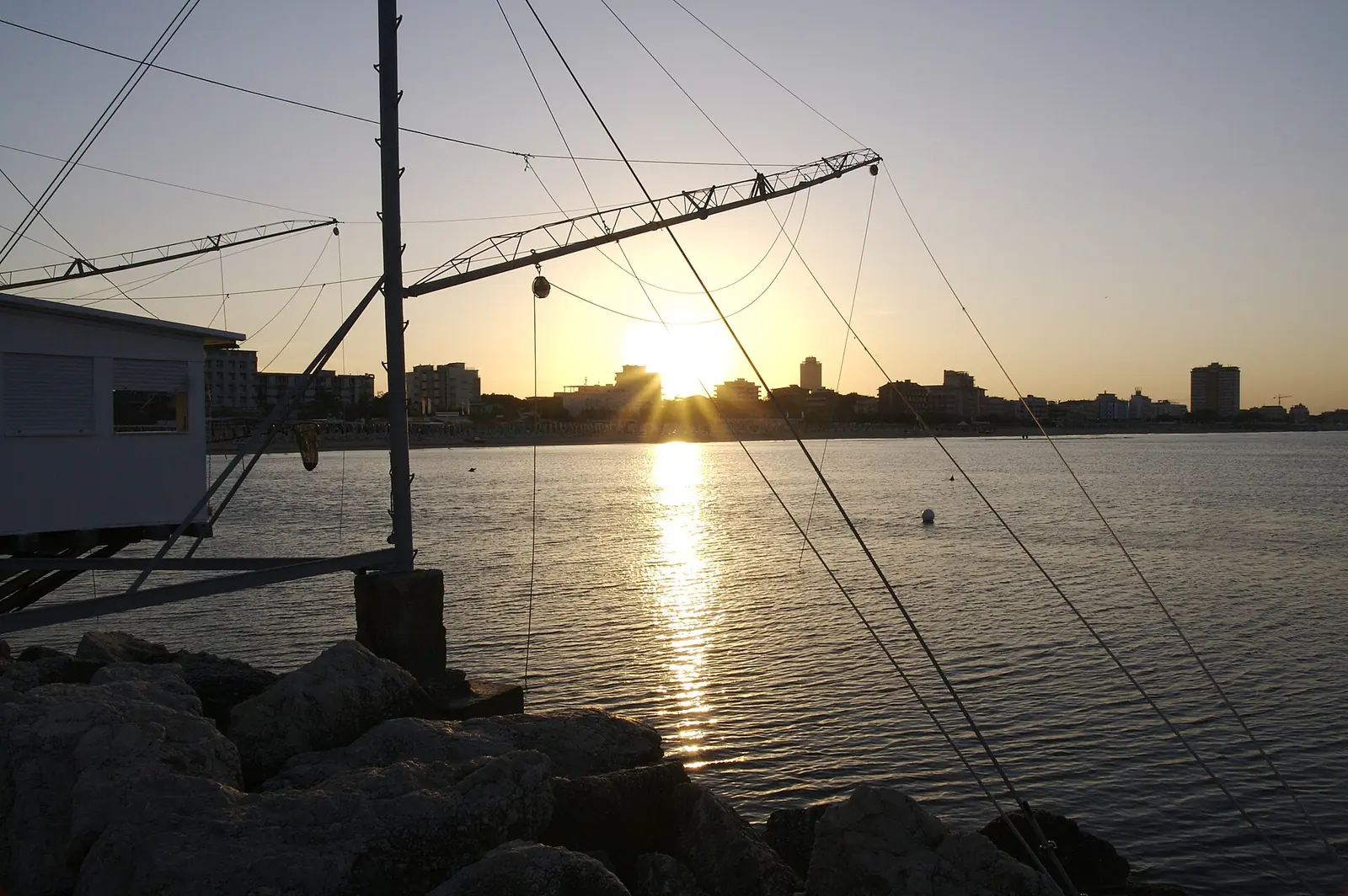
Sunset over the pier, with a fishing hut and the outline of Milano Marittima in the distance

Photo by Leo Prati, Wikimedia Commons, CC BY-SA 2.0

Resort in Comune di Cervia, Provincia di Ravenna

Things to do in Milano Marittima

The resort

At a glance

Milano Marittima is the garden city on the north side of Cervia harbour. Rotonda Primo Maggio and Viale Gramsci form the central walking area; side streets lead to the beach, while the pinewood extends behind the settlement. Villas, Canalino and green routes offer stops to alternate with the sea. Cervia-Milano Marittima railway station is in Cervia, linked to the resort by Start Romagna route 201.

Municipality
resort in Comune di Cervia, Provincia di Ravenna, Emilia-Romagna
Residents
1,539 as at 31 December 2022 (Comune di Cervia, figure by resort); Comune di Cervia has 29,075 residents as at 1 January 2026 across 82.34 km² (Istat, estimate)
Location
north of Cervia's canal harbour; further north, the beach continues to Lido di Savio, in Comune di Ravenna
Origins
1907 agreement between Comune di Cervia and the Maffei family from Milano; company established on 1 June 1911; the Comune gives 14 August 1912 as the city's official founding date
Urban planning model
garden city, adopted by painter and costume designer Giuseppe Palanti from Ebenezer Howard's theories
Areas
Rotonda Primo Maggio and Viale Gramsci, the pedestrian centre; seafront, pinewood and Canalino
Beach
3,700 metres north of the canal harbour; three bathing waters, all “excellent” in 2026; Cervia's 2026 Blue Flag, its 31st
Motorway
A14, Ravenna or Cesena Nord exit, then E45 dual carriageway to Casemurate and Statale 254, according to the Comune portal
Train
Cervia-Milano Marittima station, at 36 Viale della Stazione in Cervia, on the Rimini-Ravenna line
Local transport
Start Romagna, routes 201 and 176
Tourist information
Welcome Room at 30 Piazzale Napoli; IAT in Torre San Michele, Cervia

Sources: Comune di Cervia (statute, art. 2; 2022 statistics; tourism portal, “Le 4 località”, “Nascita e sviluppo di Milano Marittima”, “I villini”, “In auto” and “Informazioni al turista” pages); Istat; RFI; Start Romagna. Accessed on 2 October 2026.
Things to do

Seventeen things to do in Milano Marittima

The main entries, each linking to a detailed guide.

  1. Meeting at Rotonda Primo Maggio

    The fountain with five columns is the landmark of central Milano Marittima. The Rotonda opened in 1928, after the garden city's founding; the flowerbeds are renewed with Cervia Città Giardino displays. Several walking streets start here. The activities in the centre help with choosing what to combine with a stop in the square.

  2. Walking along Viale Gramsci

    Viale Gramsci crosses the central pedestrian area, among shops, street furniture and gathering spaces. It is an urban route to alternate with the seafront, with shops, events and seasonal displays. The shopping guide helps with finding the way around the central streets.

  3. Recognising the garden city's villas

    Villa Palanti on Viale Due Giugno and Villa Malagola at Rotonda Don Minzoni help explain Milano Marittima's early development. Villas and gardens were part of the plan before hotel growth. The buildings are private and can be seen from the street, along the local walks.

  4. Finding the displays on the roundabouts

    Cervia Città Giardino is a floral exhibition spread across the Comune. In Milano Marittima, roundabouts and flowerbeds host arrangements that change with each edition's designs. Greenery thus becomes a stop on a walk, alongside the permanent layout of avenues and pines. Displays can be seen between spring and summer, with dates in the events calendar.

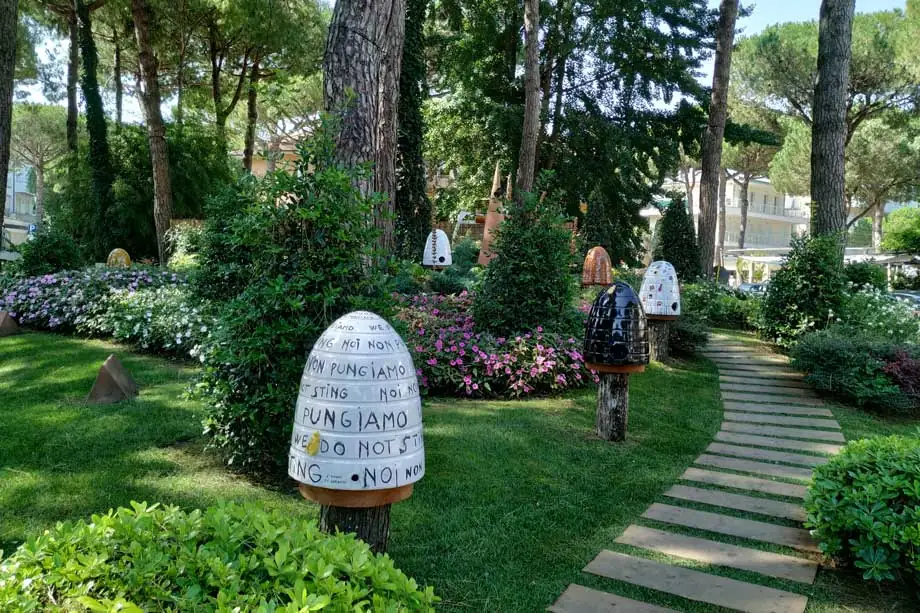
    A flowering roundabout bed with painted decorative beehives, among Milano Marittima's pines
  5. Entering the pinewood from the Stadio dei Pini side

    The Cervia and Milano Marittima pinewood covers 210 hectares behind the town, in Parco regionale del Delta del Po, with access from Viale Ravenna, Via Jelenia Gora and other streets. Paths, themed routes and exercise spaces offer a different walk from the coast; after damage in 2025, some sections are closed for safety works. The excursions guide explores the environment.

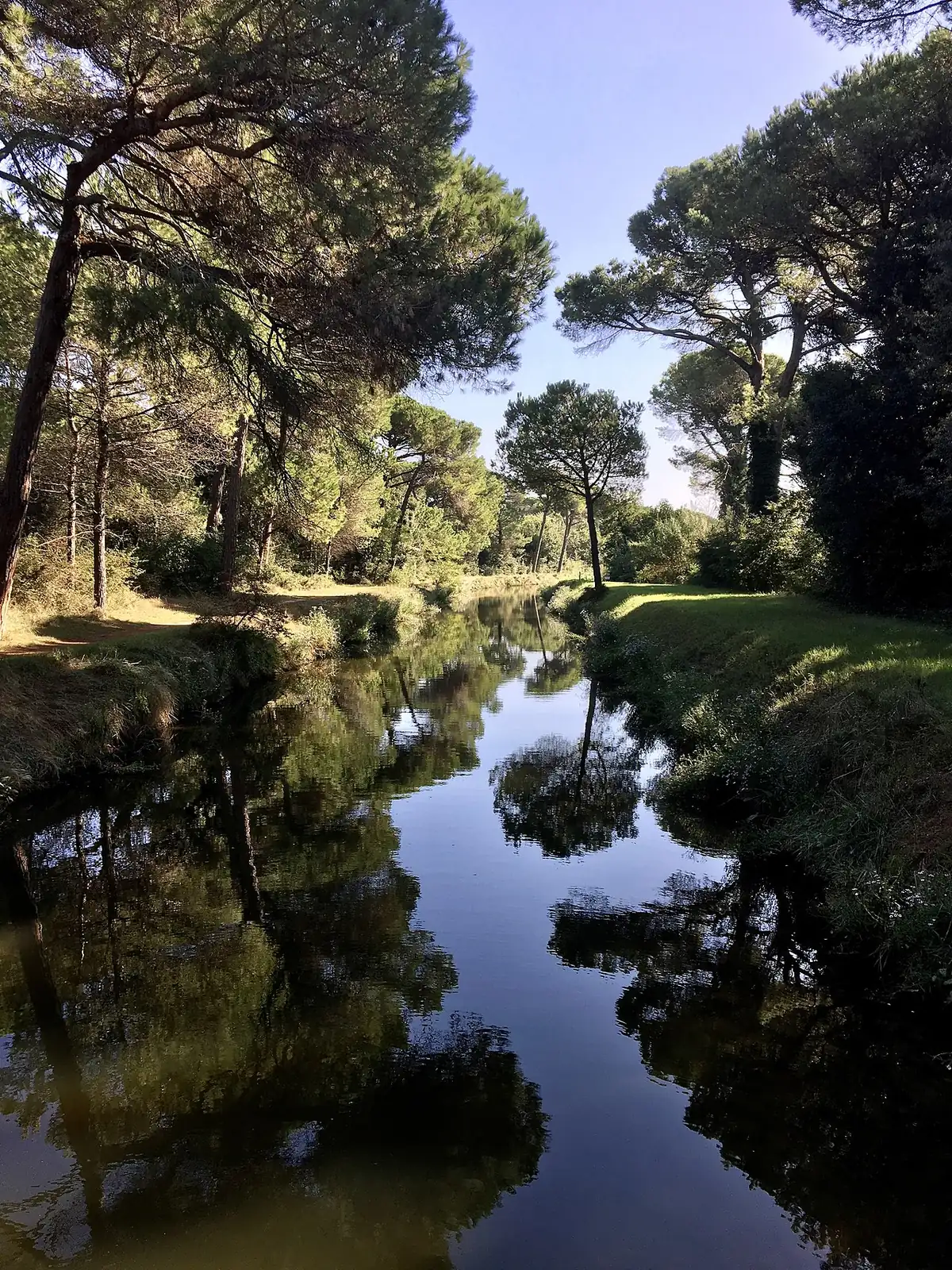
    A canal among the pines of Cervia pinewood, with trees reflected in the water and a path along the bank
    Photo by Luca Fratti, Wikimedia Commons, CC BY-SA 4.0
  6. Following Canalino and the fishing huts

    Canale del Pino, known as Canalino, links the sea to the salt pan system. It crosses the pinewood and passes fishing huts; its mouth is at I Traversa, by the Madonna del Mare statue. It is part of both the landscape and water management. The Cervia salt pans guide explains its connection with salt production.

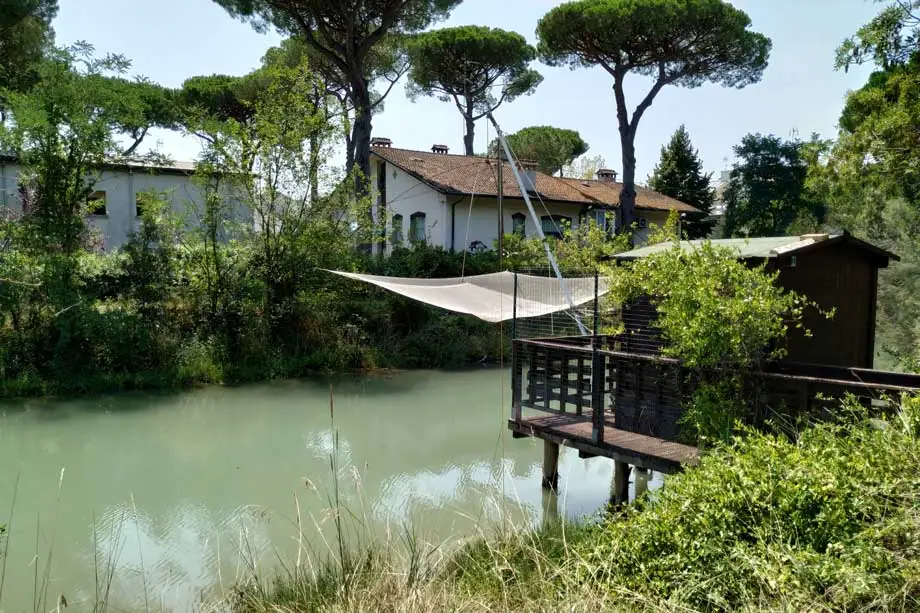
    A fishing hut on stilts over Canalino, among pines and houses
  7. Using the seafront for a walk or cycle ride

    The refurbished seafront places pedestrian and cycle routes beside the beach. Side streets connect it to Viale Matteotti and accommodation areas, making it useful for everyday journeys too. Walkways and rest areas alternate along the route. The beach guide distinguishes coastal stretches and access points, including the Canalino area.

  8. Visiting the bunkers with a guide

    Bunkers uncovered during seafront works and anti-tank obstacles tell the story of Second World War coastal defences. The guided tour allows views of some interiors, including the Regelbau and the connection with a Tobruk, and is booked through the visits programme or IAT di Cervia. The local excursions include this option.

  9. Passing through Vialetto degli Artisti

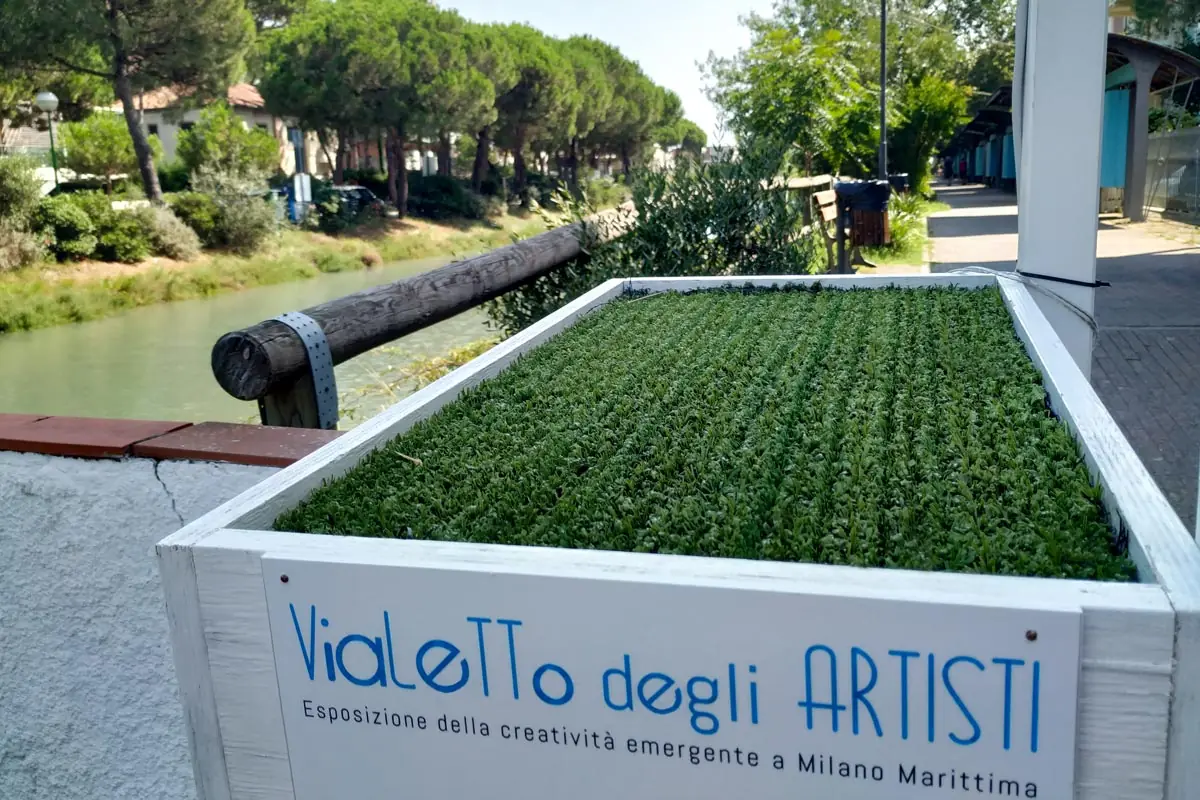
    Along Canalino, between Viale Matteotti and Viale Due Giugno, Vialetto degli Artisti hosts exhibitions and crafts during its summer calendar. Ceramics, illustration and design objects provide a different reason to cross this area in the evening. The shopping streets complete the walk.

    The planter bearing the Vialetto degli Artisti name beside Canalino
  10. Stopping at Parco Naturale

    Parco Naturale di Cervia is in the Terme area on Viale Forlanini, combining pinewood, a botanical trail and spaces devoted to animals. The park also contains CerviAvventura, with aerial courses and its own requirements. The children's guide collects activities and their seasons.

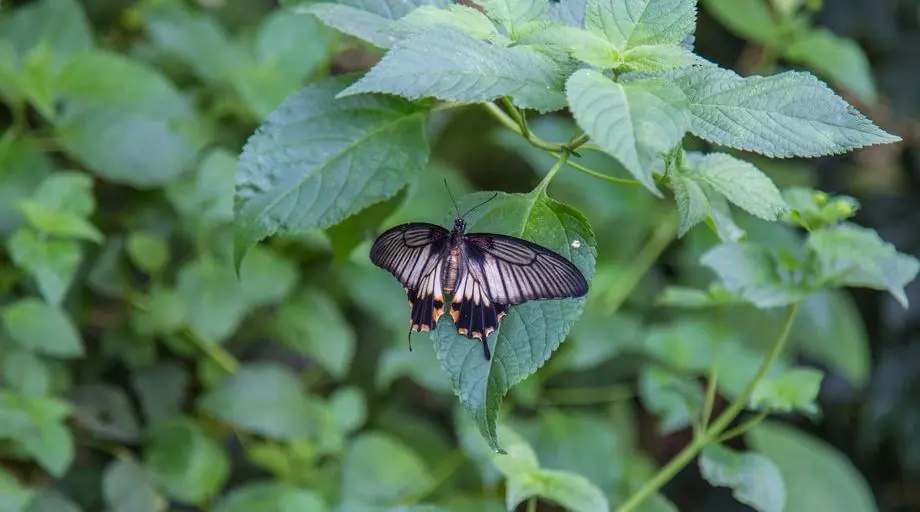
  11. Watching butterflies in the tropical greenhouse

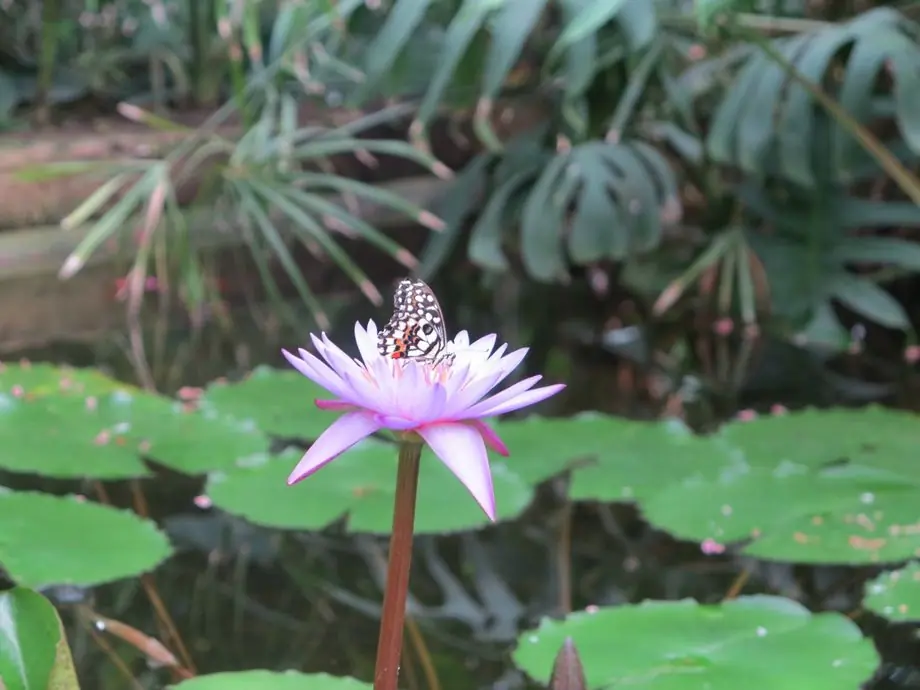
    Casa delle Farfalle, on Via Jelenia Gora, houses a tropical greenhouse with species from different parts of the world. The complex also includes insect spaces, a greenhouse devoted to local species and an outdoor botanical trail. Seasonal openings are listed in the guide.

    A black and white butterfly resting on a water lily
  12. Including the Terme in a holiday itinerary

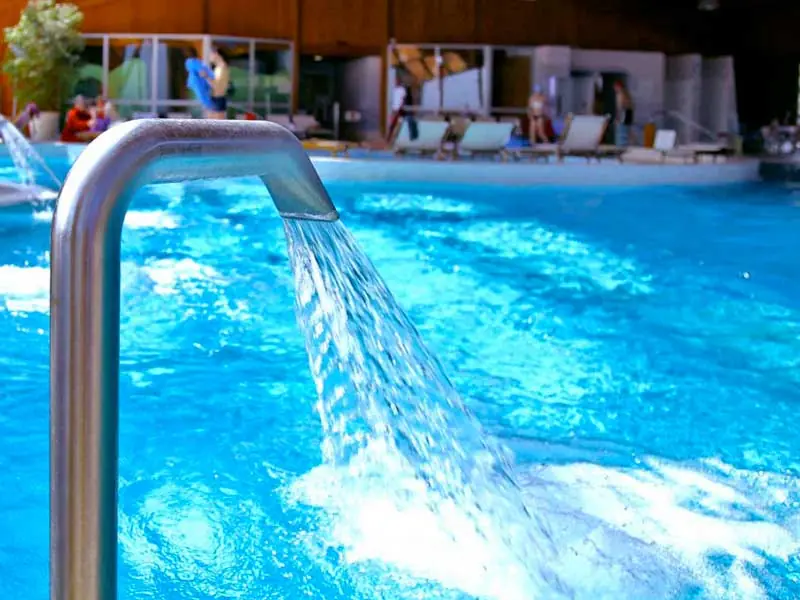
    Terme di Cervia is on the edge of the pinewood, at 16 Via Forlanini. The facility uses mother liquor and mud from the salt pan and offers services with different access arrangements. Requirements, bookings and activity calendars are described in the Terme guide.

  13. Choosing a cycle route among the pinewoods

    The Cervia Verde route links environments in Milano Marittima and Pinarella on a municipal itinerary of about 24 kilometres, with a downloadable track. The pinewood, Parco Naturale and Casa delle Farfalle area are its landmarks. The sport guide explores alternatives with different distances and surfaces.

  14. Attending a music series

    Arena dello Stadio dei Pini hosts Il Trebbo in musica, while Rotonda Primo Maggio is one of the jazz festival venues. Dates and programmes for recent editions are in the events guide.

  15. Planning an excursion to Ravenna and Classe

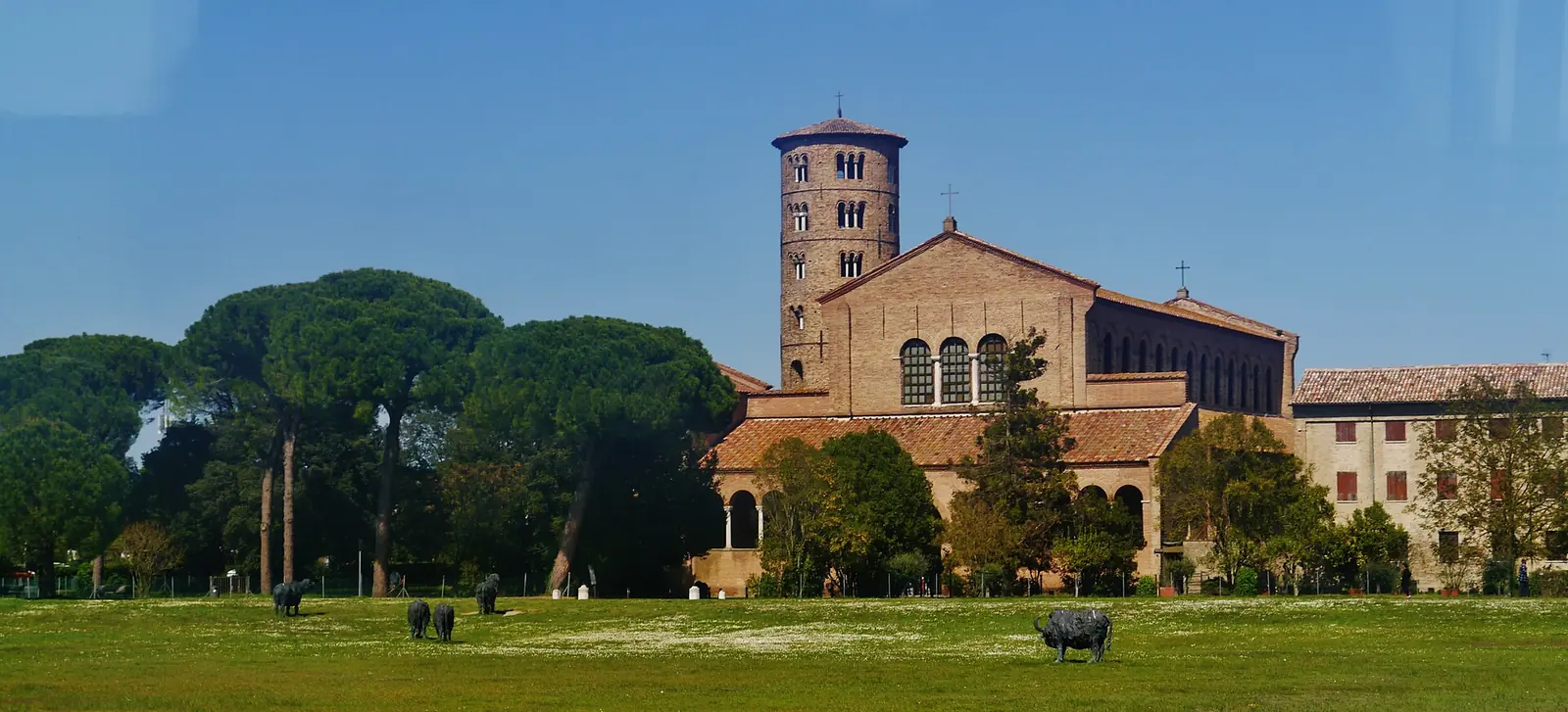
    Start Romagna route 176 links Milano Marittima to Ravenna. The Ravenna guide helps plan visits to early Christian monuments, including Sant'Apollinare in Classe, which is in Classe on the outskirts of Ravenna, rather than the seaside resort of Lido di Classe.

    Basilica di Sant'Apollinare in Classe, with its cylindrical brick bell tower, among pines and a lawn with animal silhouettes
    Photo by Zairon, Wikimedia Commons, CC BY 4.0
  16. Choosing beach access from the side streets

    Milano Marittima beach continues for about 3.7 kilometres north of Cervia harbour to the Lido di Savio boundary. Side streets connect Viale Matteotti to the seafront; the Viale Forlì area contains the free beach. The coastal guide and free beaches guide help with finding access points, beach areas and services.

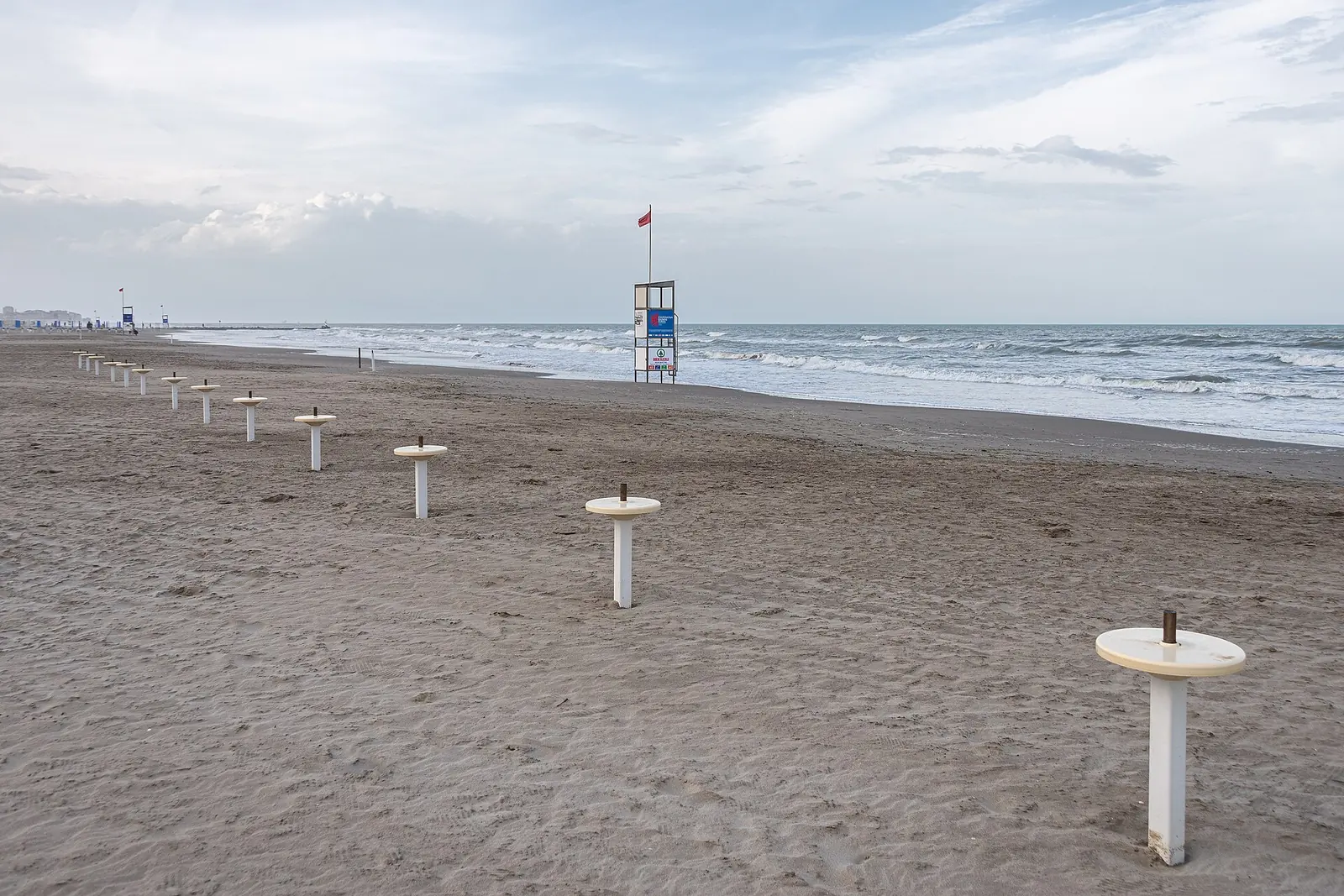
    A lifeguard tower flying a red flag on the empty beach, beside a row of parasol bases
    Photo by Giorgio Galeotti, Wikimedia Commons, CC BY 4.0
  17. Spending an evening around the Rotonda and central streets

    Evening walks centre on Rotonda Primo Maggio and Viale Gramsci. The seafront offers a route near the beach instead. In 2026, the centre within Viale Romagna was a restricted traffic zone from 8pm to 1am, daily from 30 May to 6 September and on public holidays in spring and September. The evening and nightlife guide describes areas and transport links for evening travel.

Sources: Comune di Cervia, ordinanza dirigenziale n. 112 of 20 March 2026 on restricted traffic zones, tourism portal and place listings, including La pineta di Cervia e Milano Marittima and bunker visits; Regione Emilia-Romagna, environment and itineraries; Start Romagna, route 176 and route 201. Accessed between 2 and 10 October 2026.

Character

What makes Milano Marittima different

Milano Marittima began as a garden city, with villas among pines and avenues designed around green spaces. Giuseppe Palanti's plan adopted Ebenezer Howard's urban ideas; the Comune places the resort's official founding in 1912. Its name recalls the promoters from Milano who began the initiative with Cervia.

Hotel growth later changed the settlement, but roundabouts, surviving villas and the pinewood keep the plan legible. Canalino adds a link to the salt pan: it carries seawater towards Cervia's production system. Beach, centre and woodland are neighbouring environments.

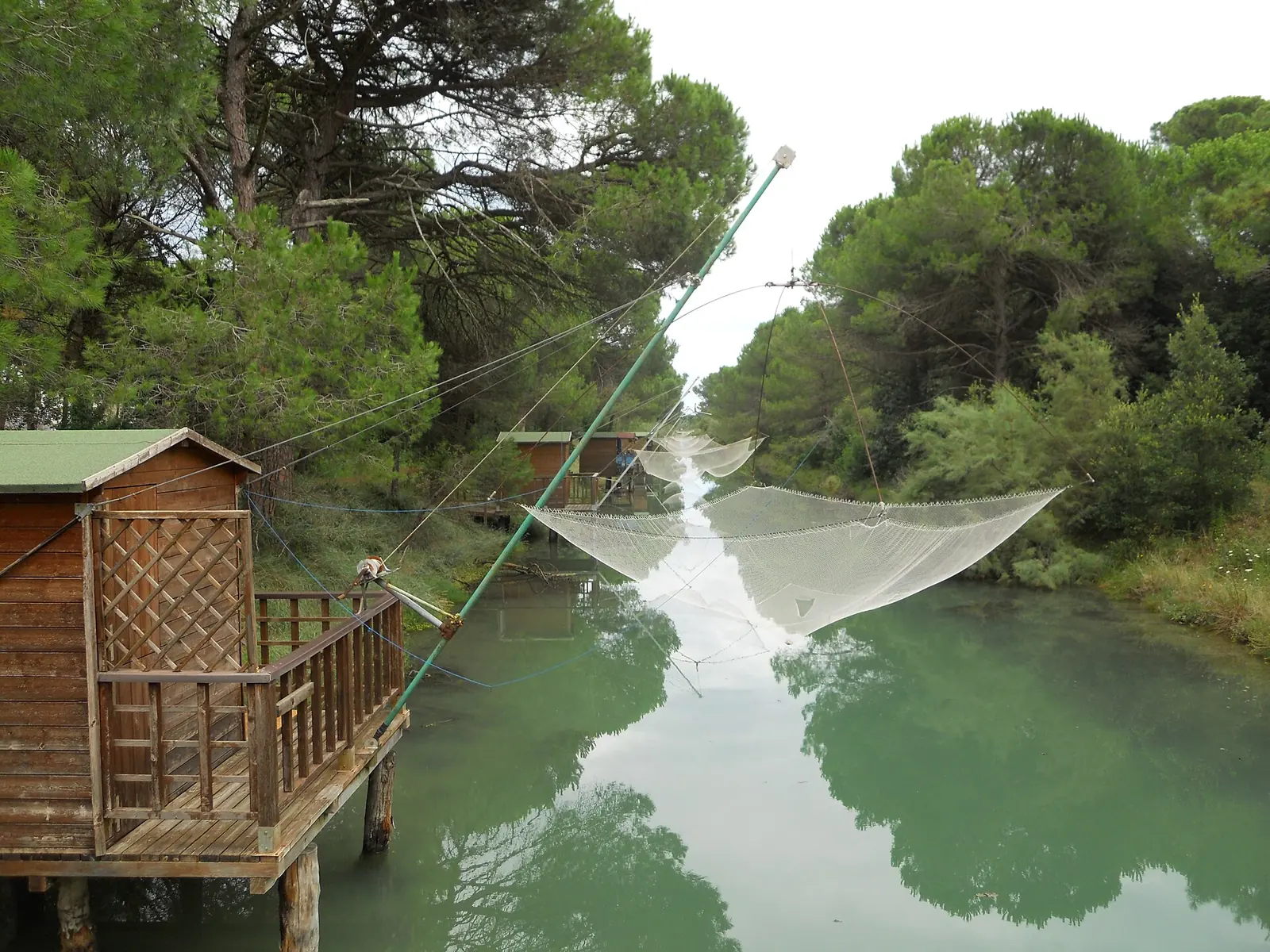
A wooden fishing hut on a canal in Cervia pinewood, with its net stretched out and pines in the background
Photo by Pmk58, Wikimedia Commons, CC BY-SA 4.0

Sources: Comune di Cervia, origins and development of Milano Marittima, villas and Canalino. Accessed on 2 October 2026.
Things to see

Other places to see

Rotonda Primo Maggio and the villas tell the story of the urban plan; Canalino and the seafront lead the visit towards the sea. Other stops help complete the route:

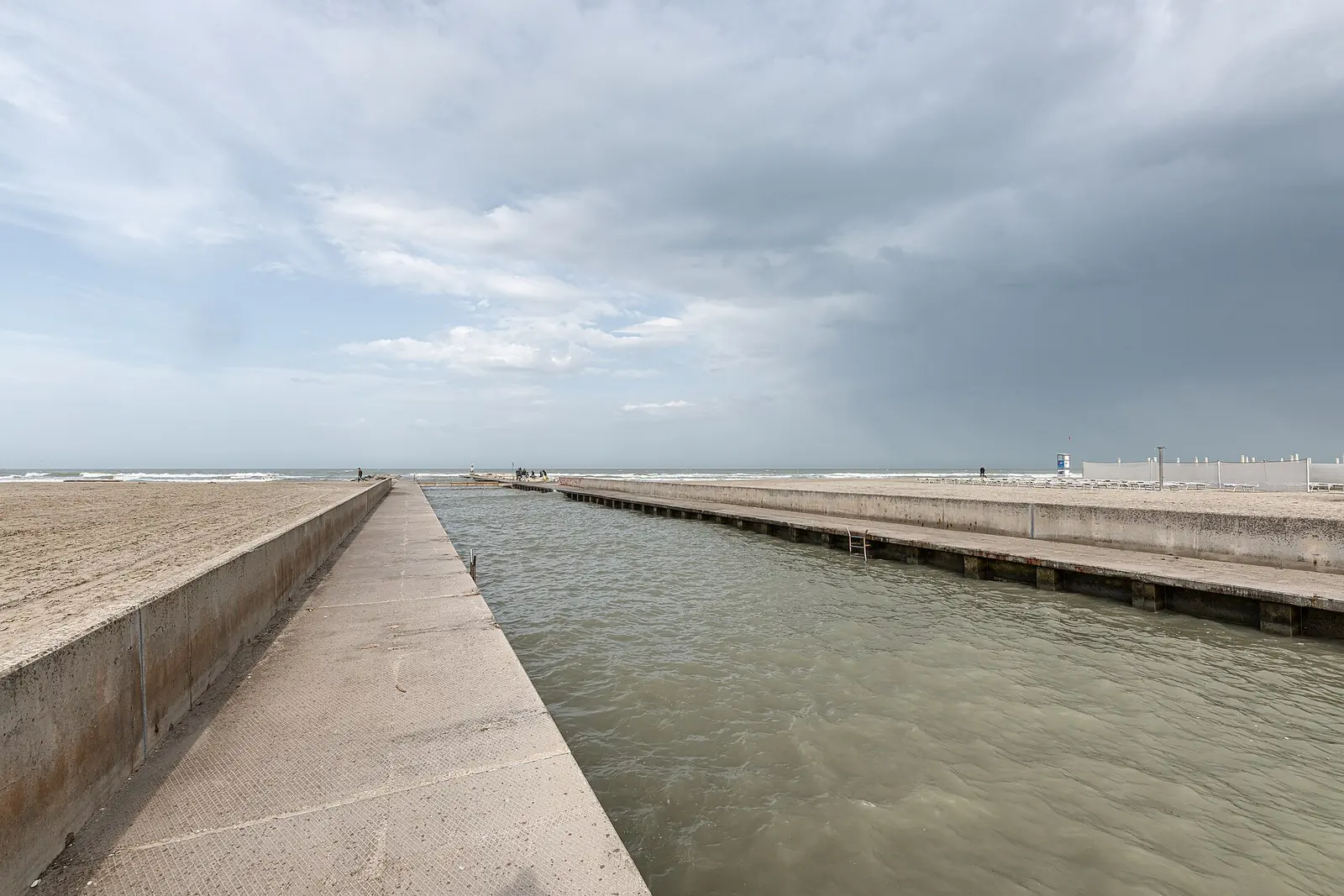
Concrete quays on both sides of Canalino, along the final stretch before its mouth at the sea
Photo by Giorgio Galeotti, Wikimedia Commons, CC BY 4.0

Rotonda Don Minzoni

It preserves some original columns from the central fountain.

Stadio dei Pini

On Viale Ravenna, it hosts sporting facilities and concerts. It is also a landmark for entering the pinewood.

Parco Fondatori

Near the seafront, with the monument devoted to the resort's founding.

Madonna del Mare

At I Traversa, by the Canalino mouth.

Dune at the former Colonia Varese

A protected, fenced habitat, viewed from outside.

Sources: Comune di Cervia, place listings. Accessed on 2 October 2026.
The sea

The beach

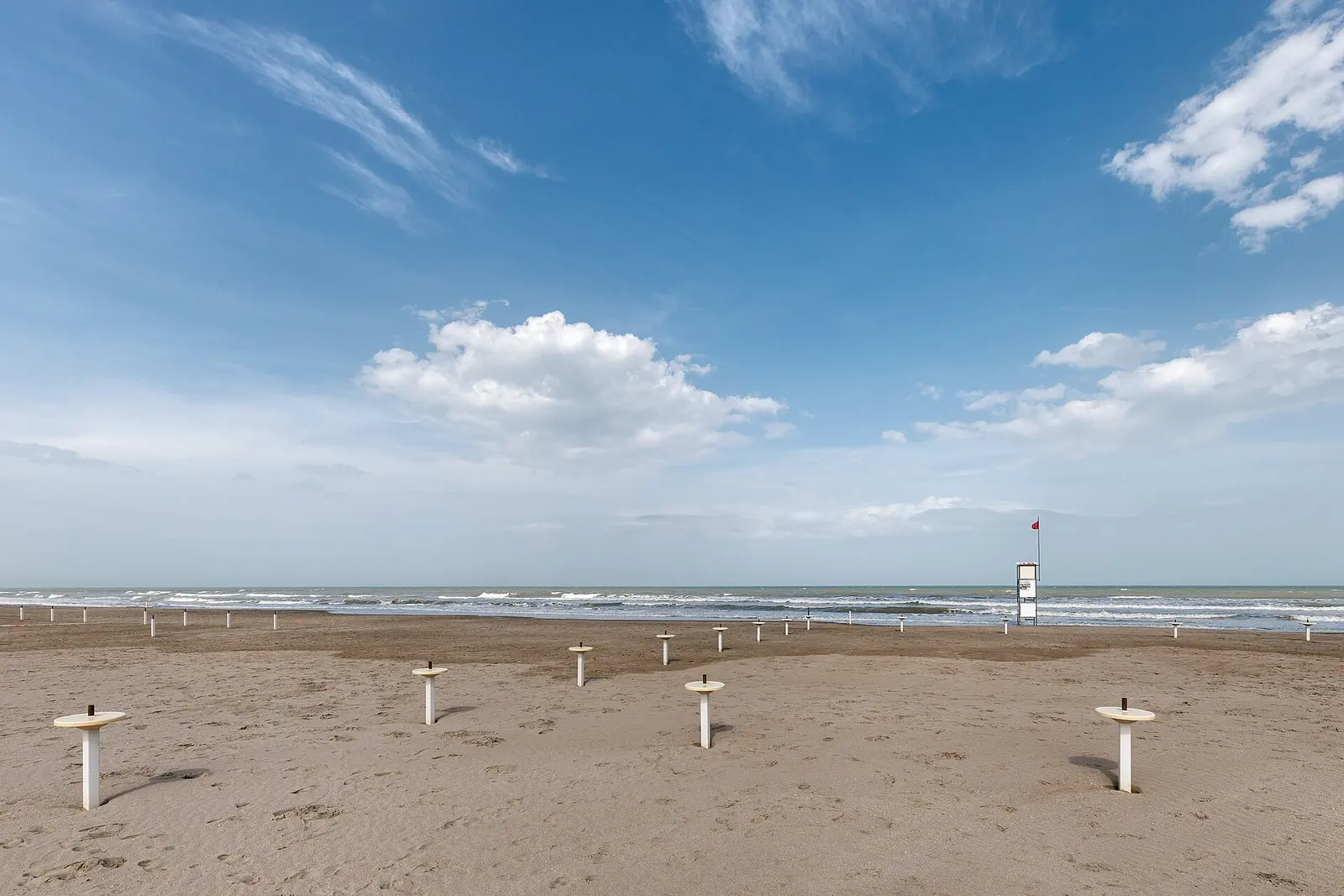
Milano Marittima beach in spring, with parasol bases on the sand, a lifeguard tower and a blue sky
Photo by Giorgio Galeotti, Wikimedia Commons, CC BY 4.0

Milano Marittima's coast occupies the north side of Cervia harbour. It stretches for about 3.7 kilometres to Lido di Savio, which belongs to Comune di Ravenna. Side streets provide access to the pedestrian and cycle seafront and beach establishments.

In 2026, the three bathing waters are classified as excellent, and Cervia's Blue Flag includes the resort. The free area is near Viale Forlì. The protected dune at the former Colonia Varese serves environmental purposes instead and has regulated access. Details are in the beach and free areas guides.

Sources: Comune di Cervia, Piano dell'arenile, free beaches and dune; Regione Emilia-Romagna, 2026 classifications. Accessed on 2 October 2026.
All about Milano Marittima beach

Food

Where to eat

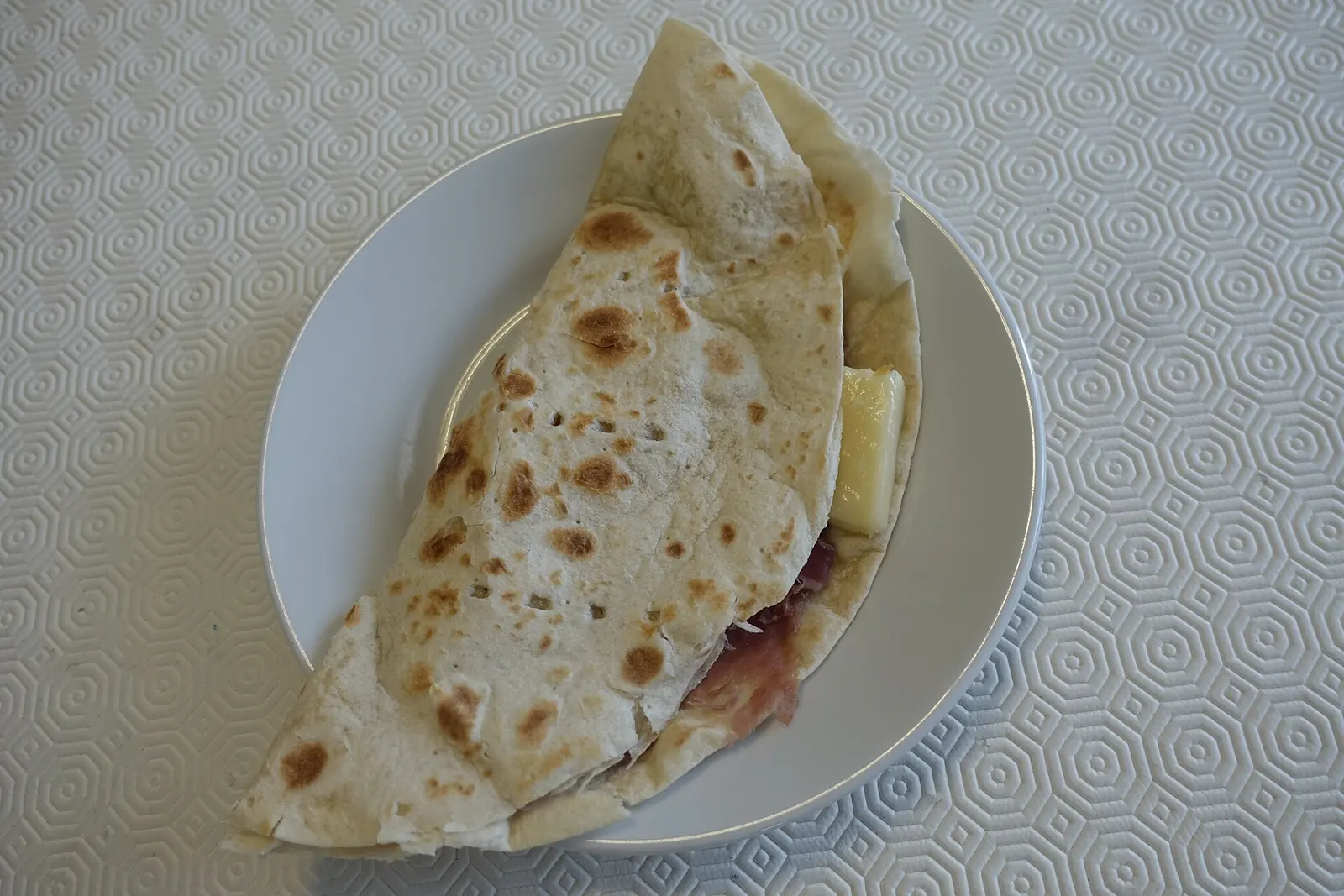
A piadina folded into a half-moon with ham and cheese, served on a white plate
Photo by Lasagnolo9, Wikimedia Commons, CC BY-SA 4.0

Milano Marittima's food belongs to Cervia and Romagna tradition: piadina, fresh pasta and Adriatic fish. Cervia's sweet salt links cooking to the salt pan landscape; its name refers to the product's profile, rather than the presence of sugar.

Milano Marittima lies within the Piadina Romagnola IGP area. Seafood and local preparations are covered in the where to eat guide, which describes the cuisine and dining areas between the centre and seafront.

Sources: Comune di Cervia, gastronomy; Regione Emilia-Romagna, Piadina Romagnola IGP production specification. Accessed on 25 September and 2 October 2026.

Where to eat in Milano Marittima

Place guides

Places in and around Milano Marittima

Every place to visit has its own dedicated guide.

Connections

Getting there and getting around

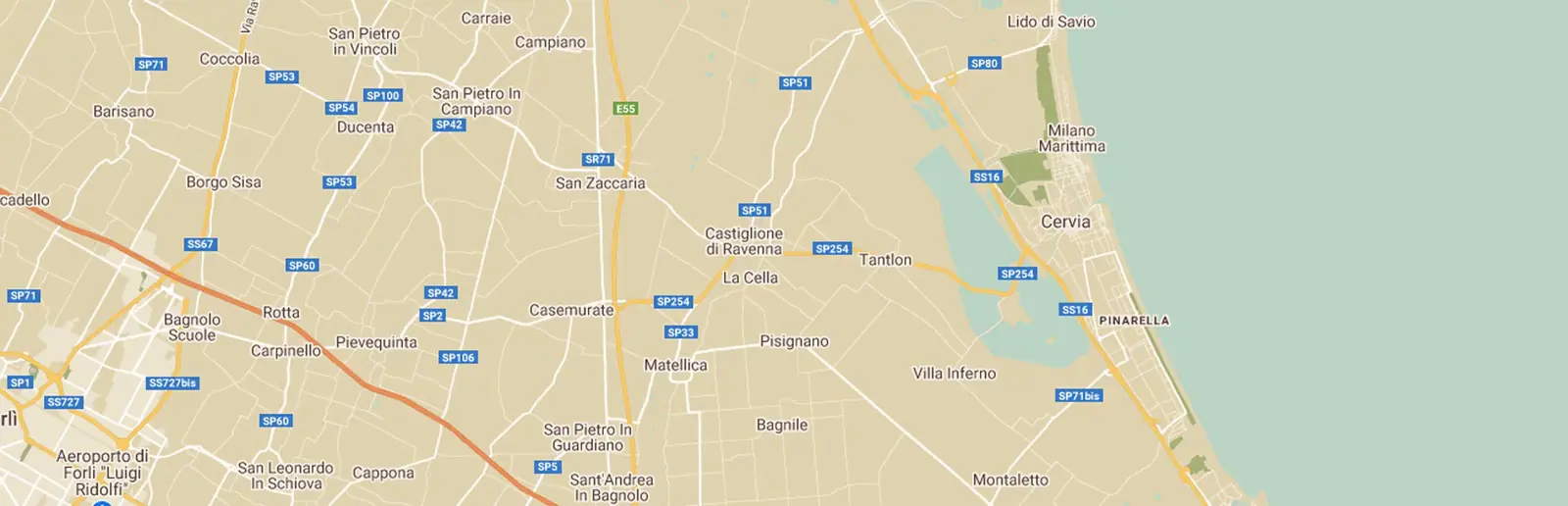
Map of access to Milano Marittima from the hinterland: the dual carriageway, Casemurate exit and Statale 254 towards Cervia

By car

The municipal portal lists the A14 exits Ravenna, Cesena Nord and Cesena. From Cesena Nord, the link passes via E45, Casemurate and Statale 254; Statale 16 serves coastal travel. In summer, the centre is a restricted traffic zone in the evening; street parking is charged at the times listed in “Useful information”.

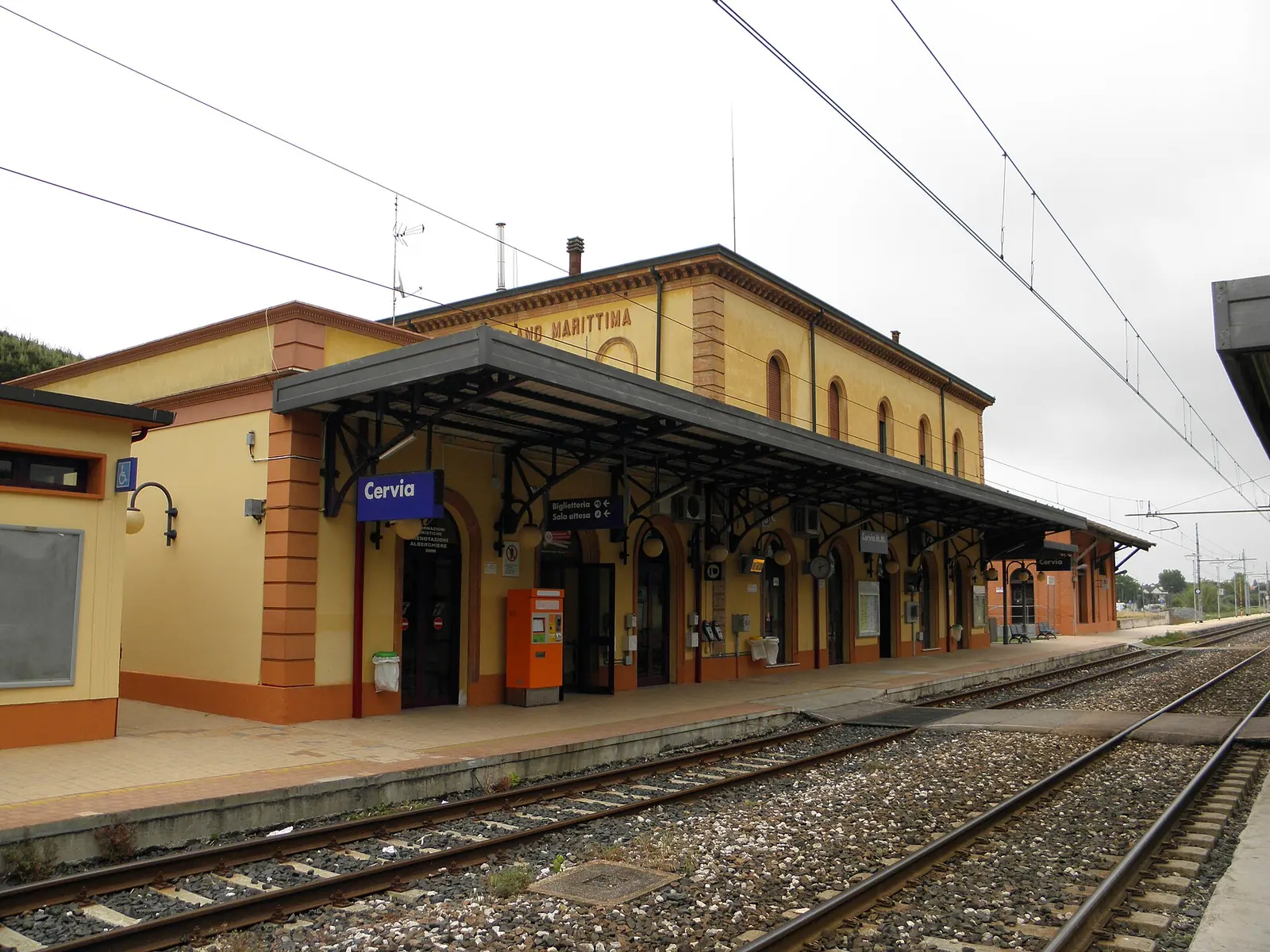
Cervia-Milano Marittima station, a yellow and orange building with an iron canopy, seen from the tracks
Photo by Threecharlie, Wikimedia Commons, CC BY-SA 4.0

By train and air

Cervia-Milano Marittima station is in Cervia at 36 Viale della Stazione, on the Rimini-Ravenna line. From there, Start Romagna route 201 reaches Milano Marittima.

Buses and local travel

Route 201 links areas of Comune di Cervia with routes changing through the year; not all services continue towards Lido di Savio and Lido di Classe. Route 176 links Milano Marittima with Ravenna. The seafront and open pinewood paths offer cycling routes.

Sources: Comune di Cervia, directions; RFI; Start Romagna, route 201 and route 176. Accessed between 2 and 8 October 2026.

Seasons

When to visit

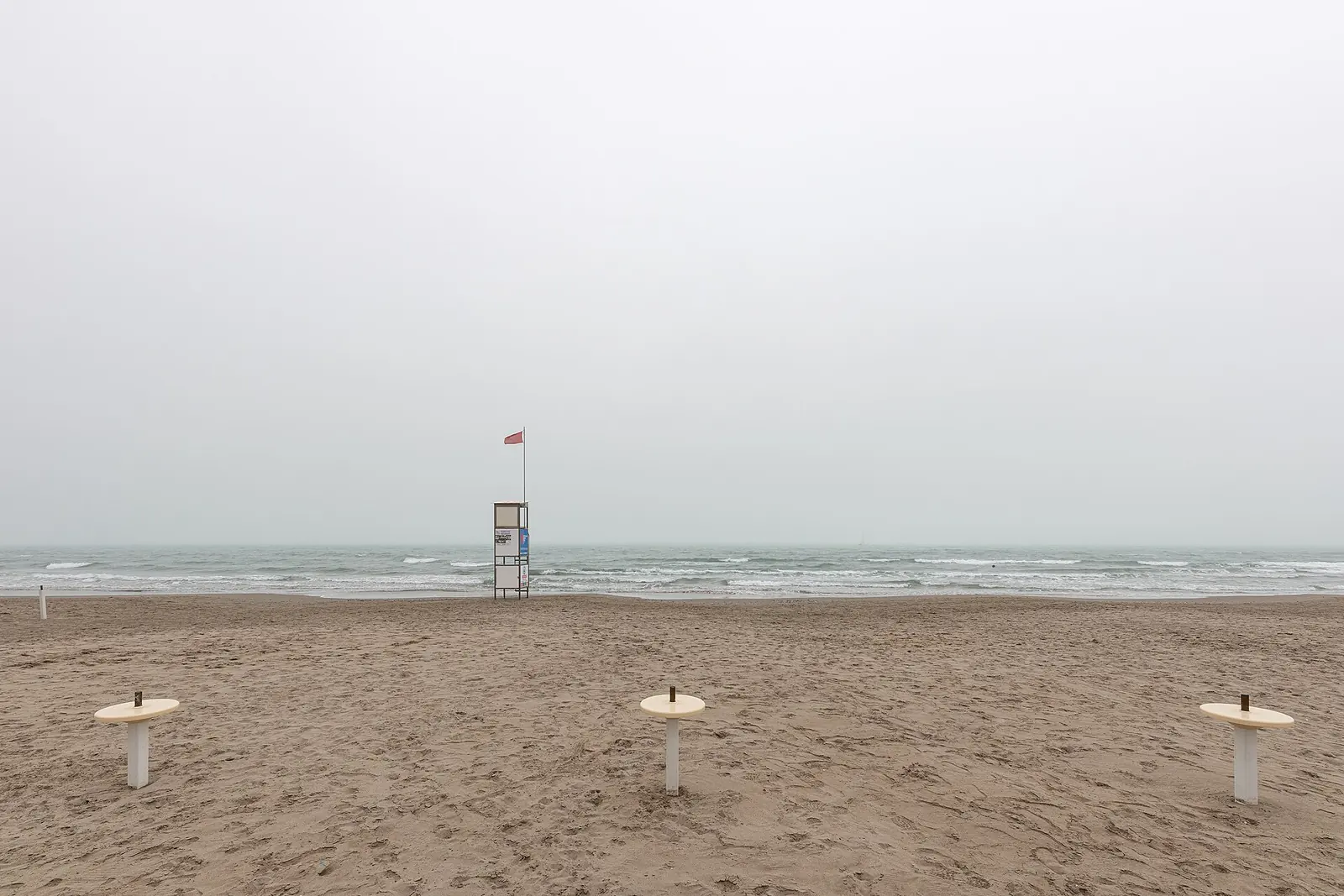
A lifeguard tower flying a red flag in front of rippled sea on a hazy day
Photo by Giorgio Galeotti, Wikimedia Commons, CC BY 4.0

Summer is the time for the beach, performance series and evening walks. Spring and autumn allow more time for the pinewood and garden-city layout; between December and January, the Comune organises the Christmas programme for its four resorts.

The table's values refer to the whole Comune di Cervia, including Cervia, Pinarella and Tagliata: 1991-2020 climate averages and 2025 overnight stays, meaning nights spent in accommodation establishments.

MonthAverage minimum (°C)Average maximum (°C)Rainfall (mm)Overnight stays in 2025
January0.07.539.227,414
February0.310.053.218,399
March3.714.351.530,892
April7.418.258.4176,627
May11.623.158.7236,249
June15.427.546.8703,412
July17.430.032.9948,737
August17.629.951.61,043,826
September13.825.280.2370,750
October10.319.786.554,516
November6.013.481.822,401
December1.28.465.224,874

In 2025, the Comune recorded 919,036 arrivals and 3,658,097 overnight stays, with about 90.3% of nights between May and September. Areas and periods are described in the hotel guide; jazz, Trebbo in musica, Vialetto degli Artisti and winter activities are on the events page.

Sources: Arpae, Cervia climate averages 1991-2020; Regione Emilia-Romagna, 2025 municipal tourism demand; Comune di Cervia, event calendars and “Cervia, verso il Natale 2026” news of 28 July 2026. Accessed between 2 and 10 October 2026.

Further information

All Milano Marittima sections

Each topic has its own dedicated guide.