Skip to content
Riviera Romagnola The nine coastal resorts
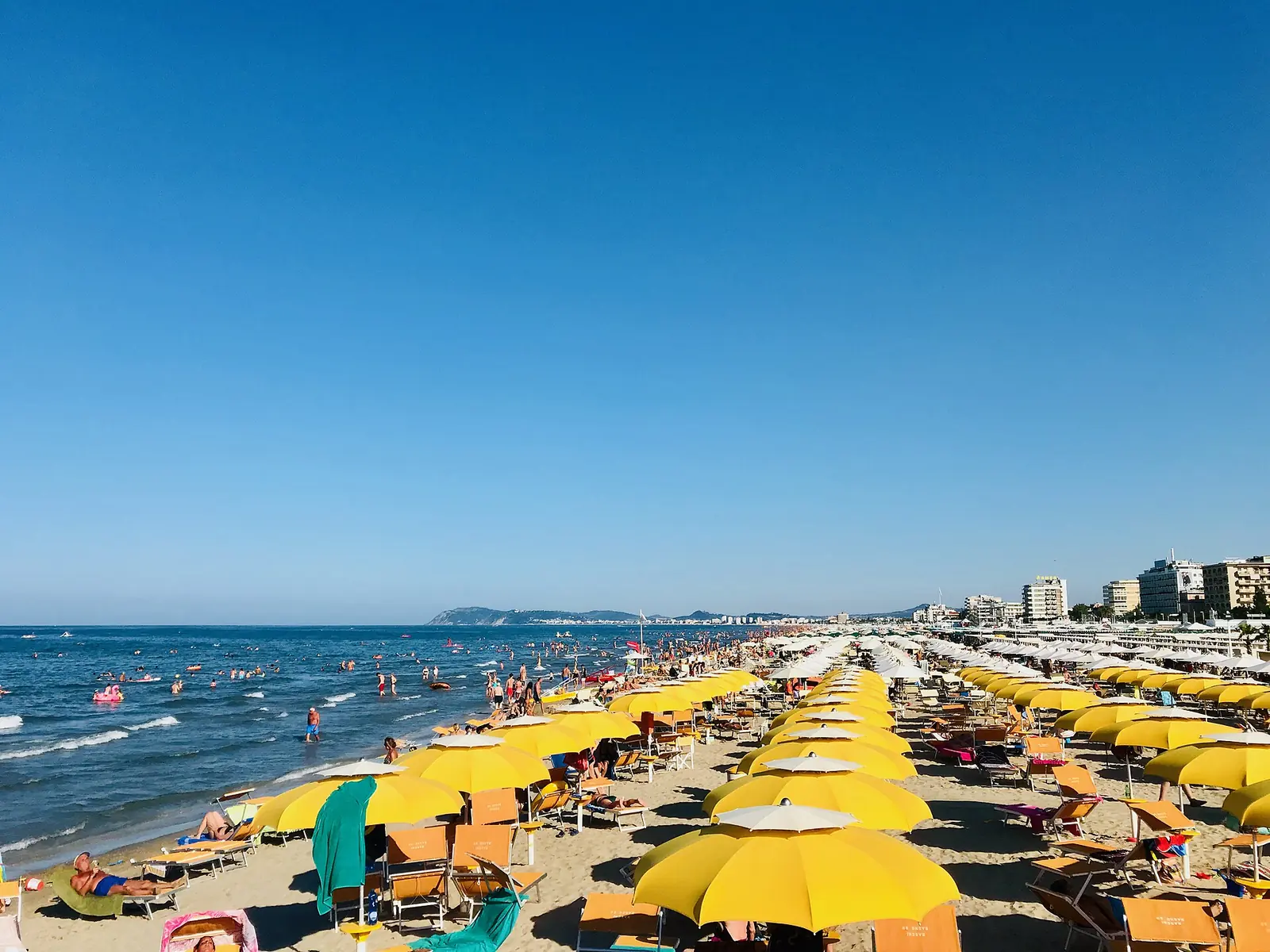
Yellow parasols on Riccione beach, with the sea and Monte San Bartolo headland in the background

Photo by Stephen kleckner, Wikimedia Commons, CC BY-SA 4.0

Provincia di Rimini, Emilia-Romagna

Riccione: things to do and see

The resort

At a glance

Riccione combines the sea, with 130 beach establishments and the Marano free beach, walks between the seafront and Viale Ceccarini, villas housing museums and exhibitions, and hilltop parks such as Aquafan and Oltremare. Riccione Paese, along Via Flaminia, preserves the core from which the town began. The events calendar runs from March's Fugaracia to Christmas festivities on the seafront. For coastal travel, Metromare links Riccione and Rimini stations in about 23 minutes.

Location
Emilia-Romagna's Adriatic coast, in Provincia di Rimini, between Rimini and Misano Adriatico
Municipality
Riccione, also bordering Coriano
Residents
34,367 as at 1 January 2026, Istat estimate
Area
17.52 km², Istat figure
Patron saint
San Martino, 11 November
Train
Riccione station, Bologna-Ancona line
Motorway
A14, Riccione exit
Airport
Federico Fellini, in Rimini Miramare
Local transport
Start Romagna and Metromare to Rimini
Tourist information
IAT in Palazzo del Turismo; for accommodation, alberghi.it

Sources: Istat, population as at 1 January 2026 and area; Comune di Riccione; RFI; Aeroporto di Rimini; Start Romagna. Accessed between 2 and 10 October 2026.
Things to do

Nineteen things to do in Riccione

The main entries, each linking to a detailed guide.

  1. Spending a day at the beach

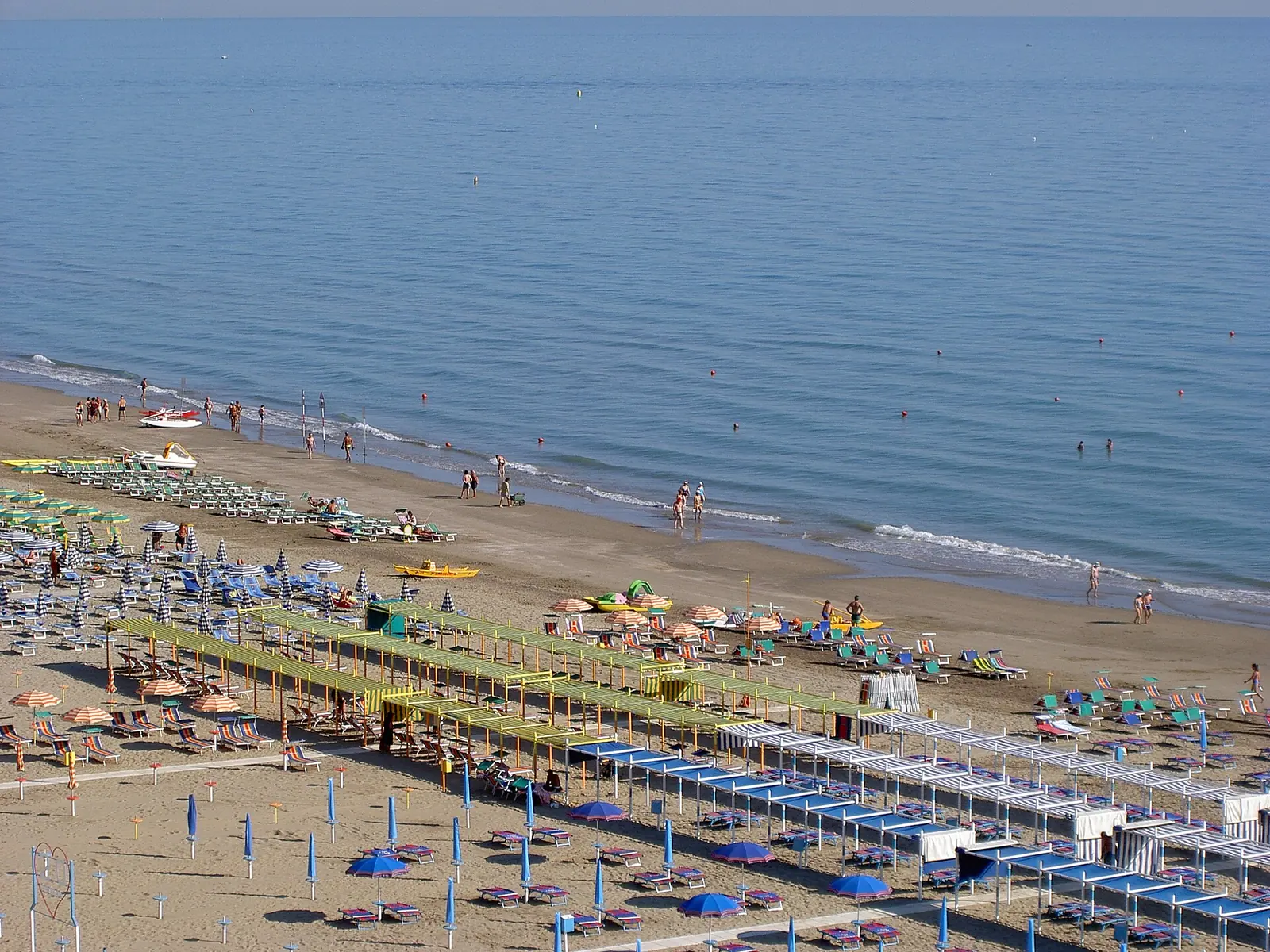
    On Riccione beach, parasols alternate with beach tents: poles and crosspieces support the canvas sheltering from the sun. Memories collected by Ministero della Cultura link their origins to sails hung out to dry after fishing. This detail of maritime history remains on the sand today.

    View from above of Riccione beach, with rows of parasols, beach tents and calm sea
    Photo by Walter Giannetti, Wikimedia Commons, CC BY-SA 4.0
  2. Finding free beach space at Marano

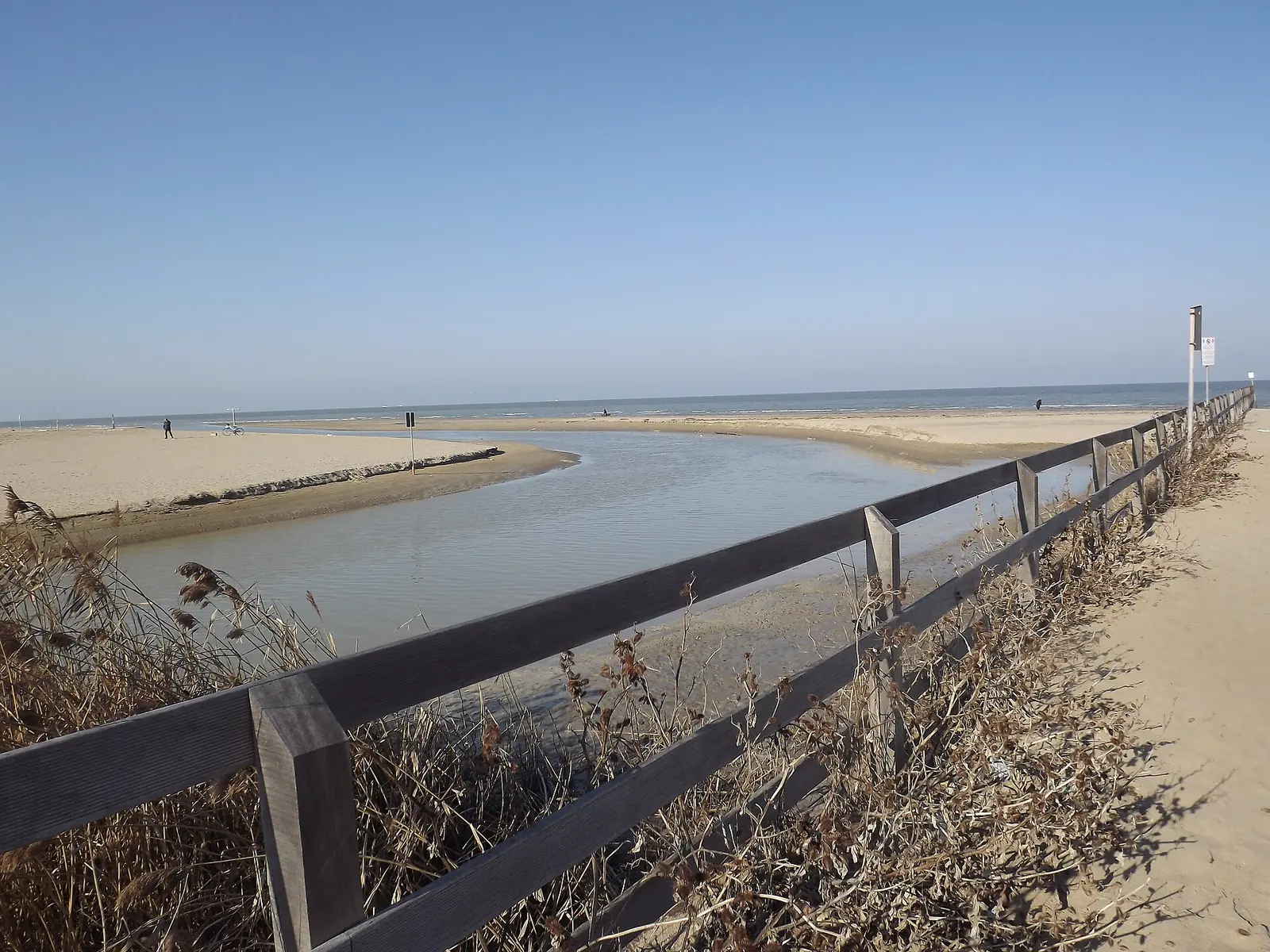
    The Marano free beach is in the northern part of town, near the river mouth. In June 2025, a Caretta caretta laid the first documented nest in Provincia di Rimini there. Dunes towards the Rimini boundary also host Kentish plovers in protected, signposted areas.

    The Marano mouth in Riccione: shallow water over sand and a wooden fence in the foreground
    Photo by rosanna nicolai, Wikimedia Commons, CC BY 3.0
  3. Walking or cycling along the seafront

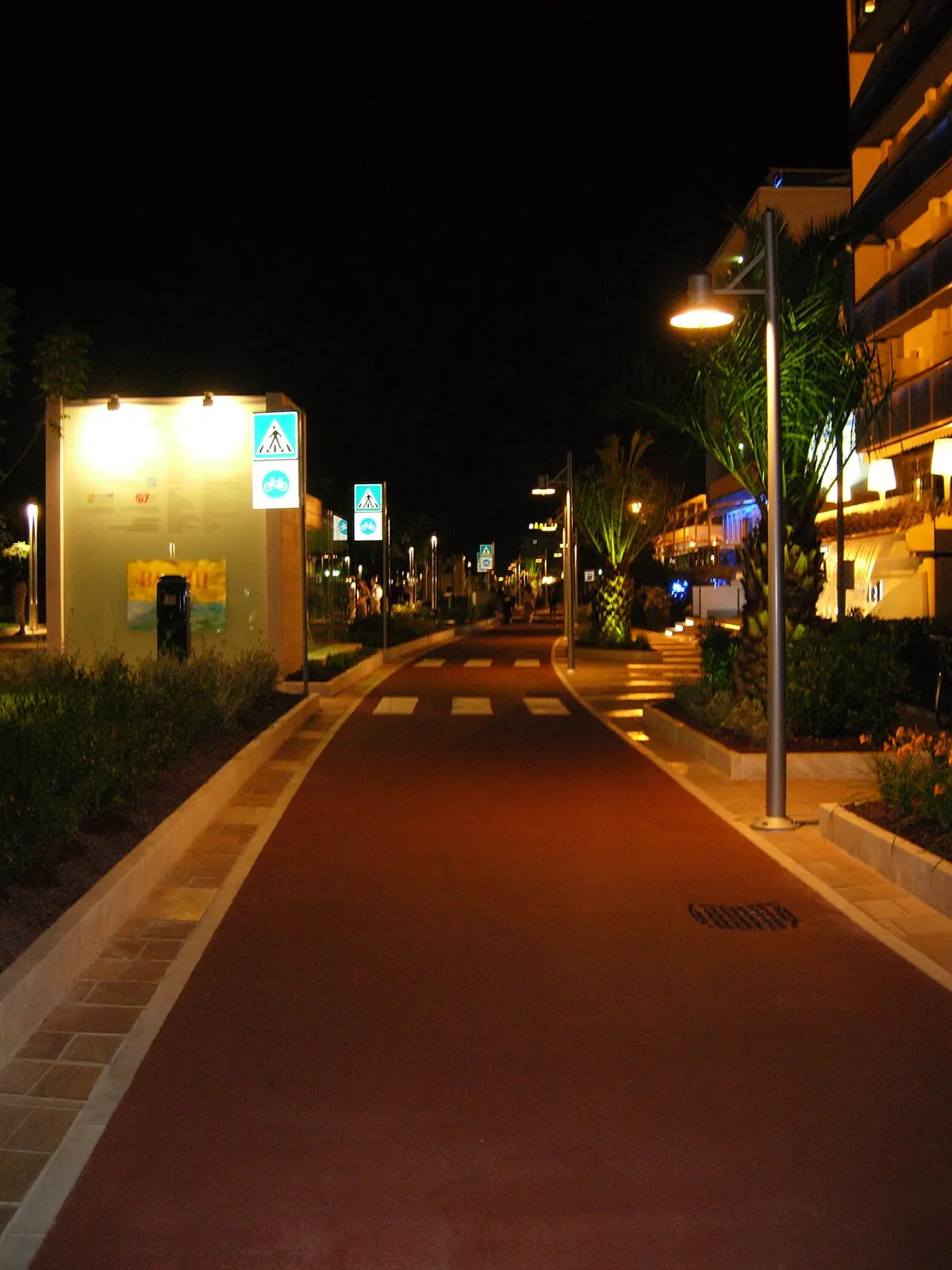
    Between the harbour and Piazzale Roma, Lungomare della Libertà separates the pedestrian route from the cycle path. The walk can continue north to Marano. Riccione's cycle paths offer longer routes. Towards Misano, on Lungomare del Sole, works resumed on 5 October 2026 and completion is expected in spring 2027.

    Riccione seafront in the evening, with the red cycle lane beside the pedestrian route and lit streetlamps
    Photo by Enrico Siboni, Wikimedia Commons, CC BY-SA 3.0
  4. Following the canal harbour quays

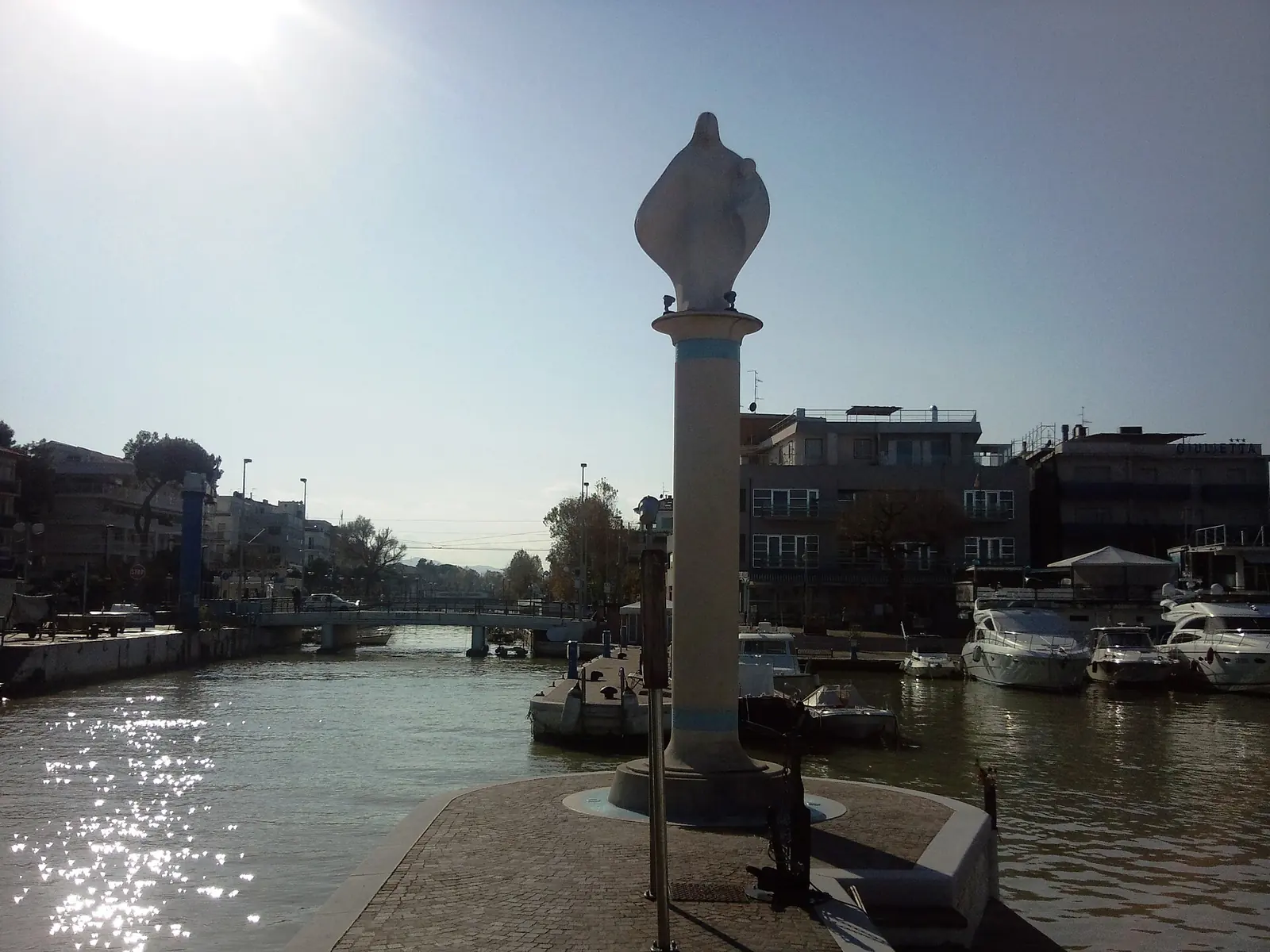
    The canal harbour offers a route among boats and the sea: the refurbished quays opened in May 2026. It hosts Festa della Rustida, connected with beach operators and oily fish, and Festa della Madonna del Mare. Individual edition dates are on the Events in Riccione page.

    The column with the Madonna del Mare statue at Riccione's canal harbour, with boats moored along the quays
    Photo by Antonfon, Wikimedia Commons, Public domain
  5. Crossing Viale Ceccarini

    Viale Ceccarini has borne benefactor Maria Boorman Ceccarini's name since 1912; previously it was Viale Viola. It is a stop on a central walk, between the sea and shopping in Riccione streets. Refurbishment is proceeding in sections: renewed parts have travertine paving, with completion expected in spring 2027.

  6. Stopping in the two central squares

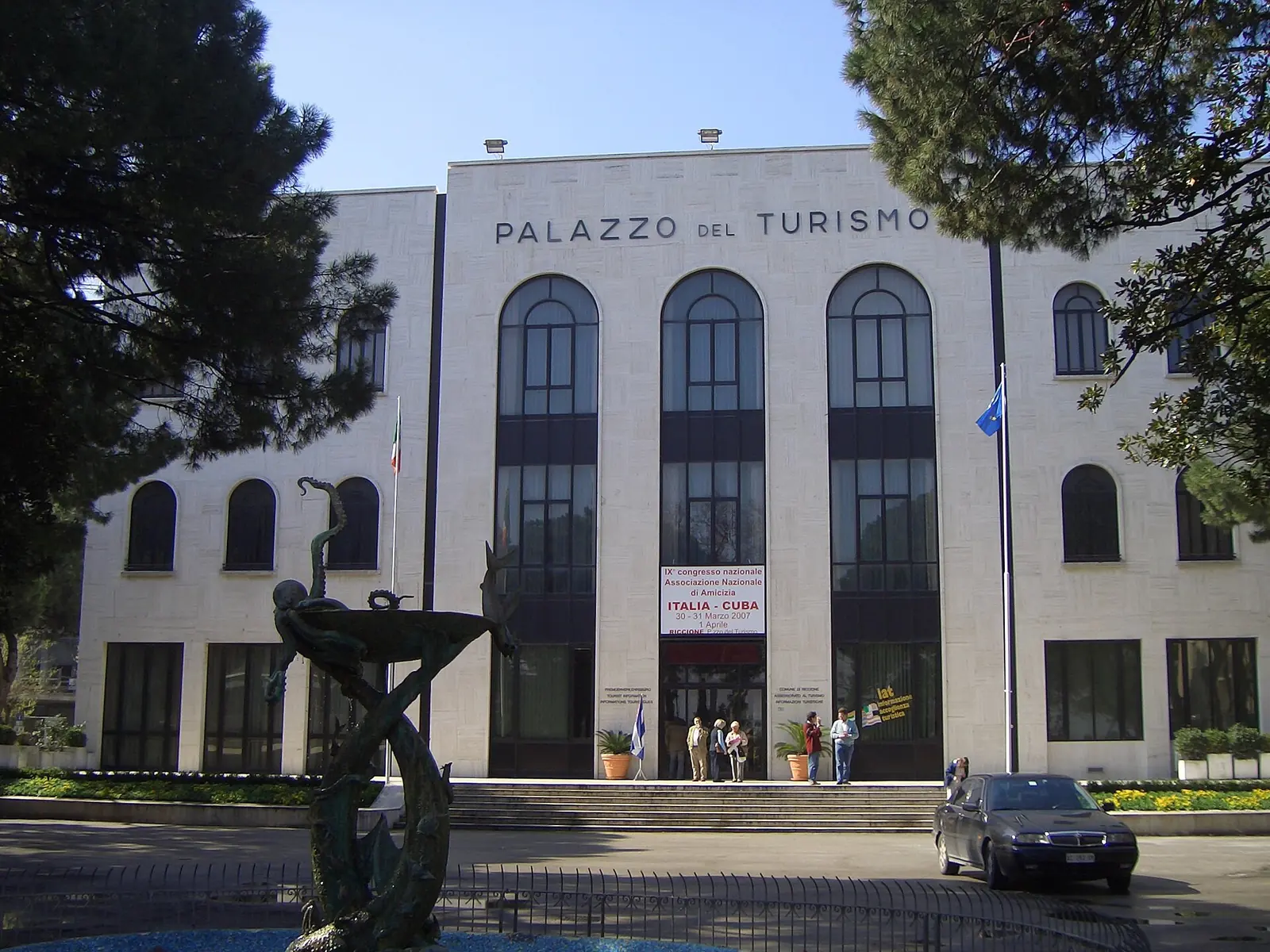
    Piazzale Roma opens onto the sea at the end of Viale Ceccarini. At its centre is the “Il Bosco della Pioggia” fountain, created by Giancarlo De Carlo from an idea by Tonino Guerra. In Piazzale Ceccarini, Palazzo del Turismo houses the information office. The squares also host concerts and activities.

  7. Reaching Riccione Paese

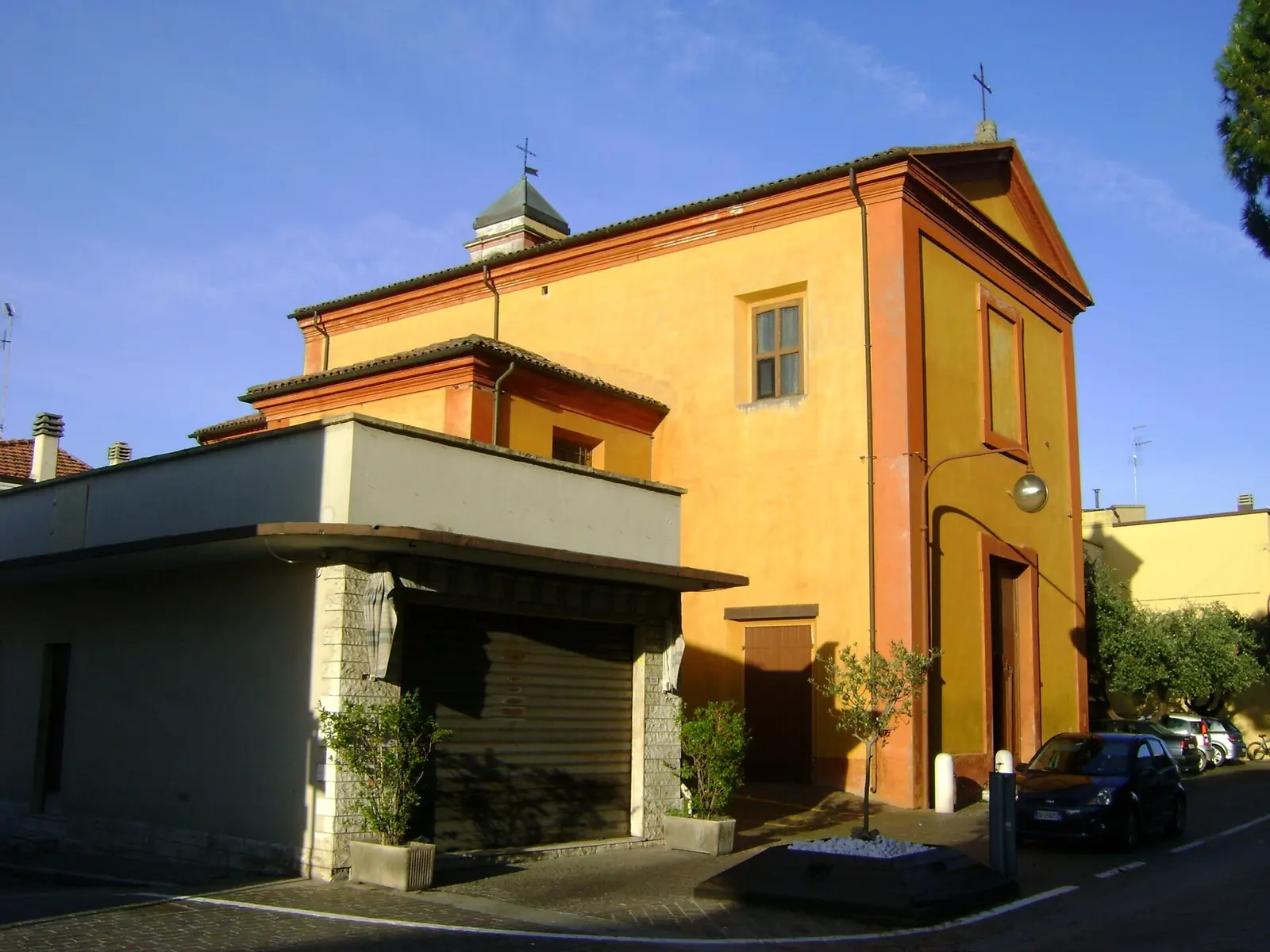
    Corso Fratelli Cervi crosses Riccione Paese, the core from which the town developed along Via Flaminia. Here are Chiesa di San Martino and Centro Culturale della Pesa, with library and museum. It is a stop for discovering the town beyond the seafront; the route from the harbour to Riccione Paese helps connect it with a central visit.

    Chiesa di San Martino in Riccione Paese, with an ochre and orange façade and bell gable
    Photo by Zitumassin, Wikimedia Commons, Public domain
  8. Visiting Museo del Territorio

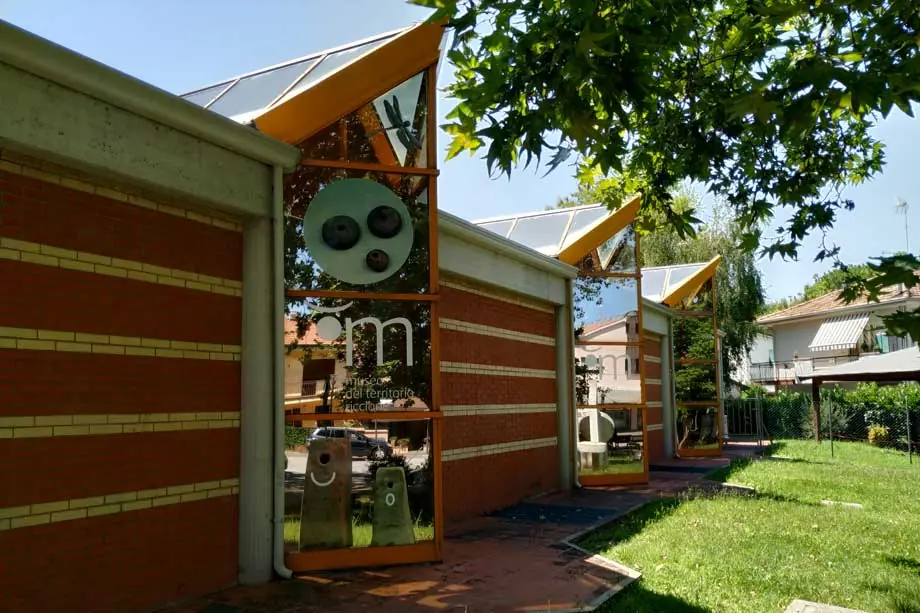
    Museo del Territorio “Luigi Ghirotti”, in Centro Culturale della Pesa on Viale Lazio, explores the area's geology and settlement until Roman times. Fossils and finds from San Lorenzo in Strada reveal a history long predating the seaside town. Admission is free; workshops and other activities are collected on the Riccione with children page.

    Centro Culturale della Pesa in Riccione: brick façade with orange glazing and the Museo del Territorio logo
  9. Climbing to Castello degli Agolanti

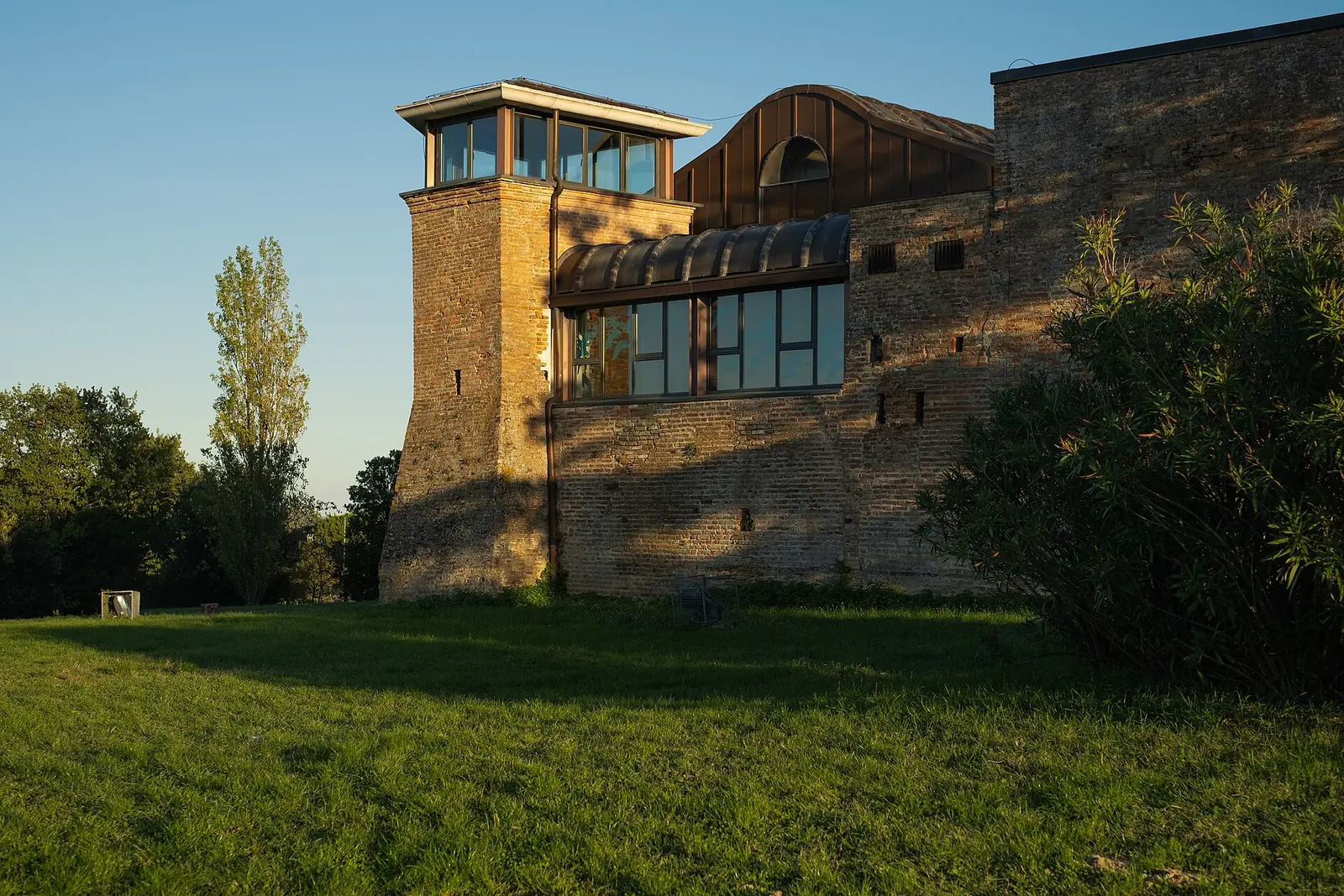
    Castello degli Agolanti stands on the hill and was built in the first half of the fourteenth century. It has belonged to the Comune since 1982. Interiors open for exhibitions, concerts and other cultural events.

    Castello degli Agolanti in Riccione, a brick building with a glazed turret, on a lawn in afternoon light
    Photo by Alice.grussu, Wikimedia Commons, CC BY-SA 4.0
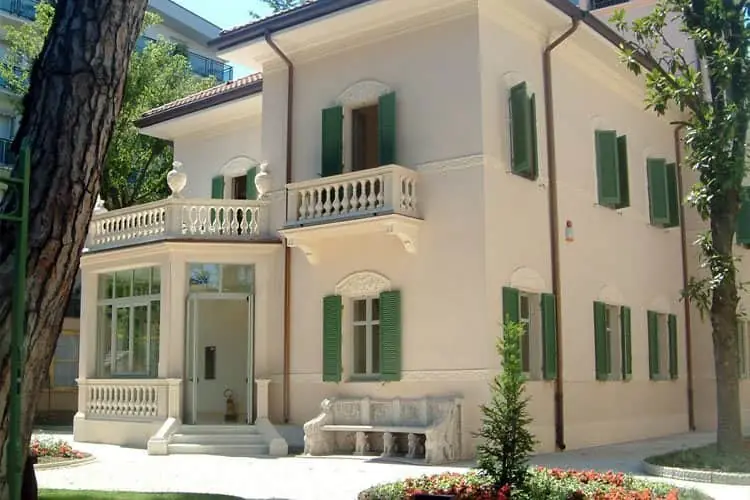
  10. Seeing Villa Franceschi's collections

    Villa Franceschi has housed Galleria d'arte moderna e contemporanea since 2005. The Art Nouveau villa contains the civic collection and part of Regione Emilia-Romagna's Collezione Arcangeli. Admission is free; there are entrance steps. The villa is a stop on the route among Riccione's villas.

    Villa Franceschi in Riccione, an Art Nouveau villa with a stone balcony and green shutters, seen from the garden
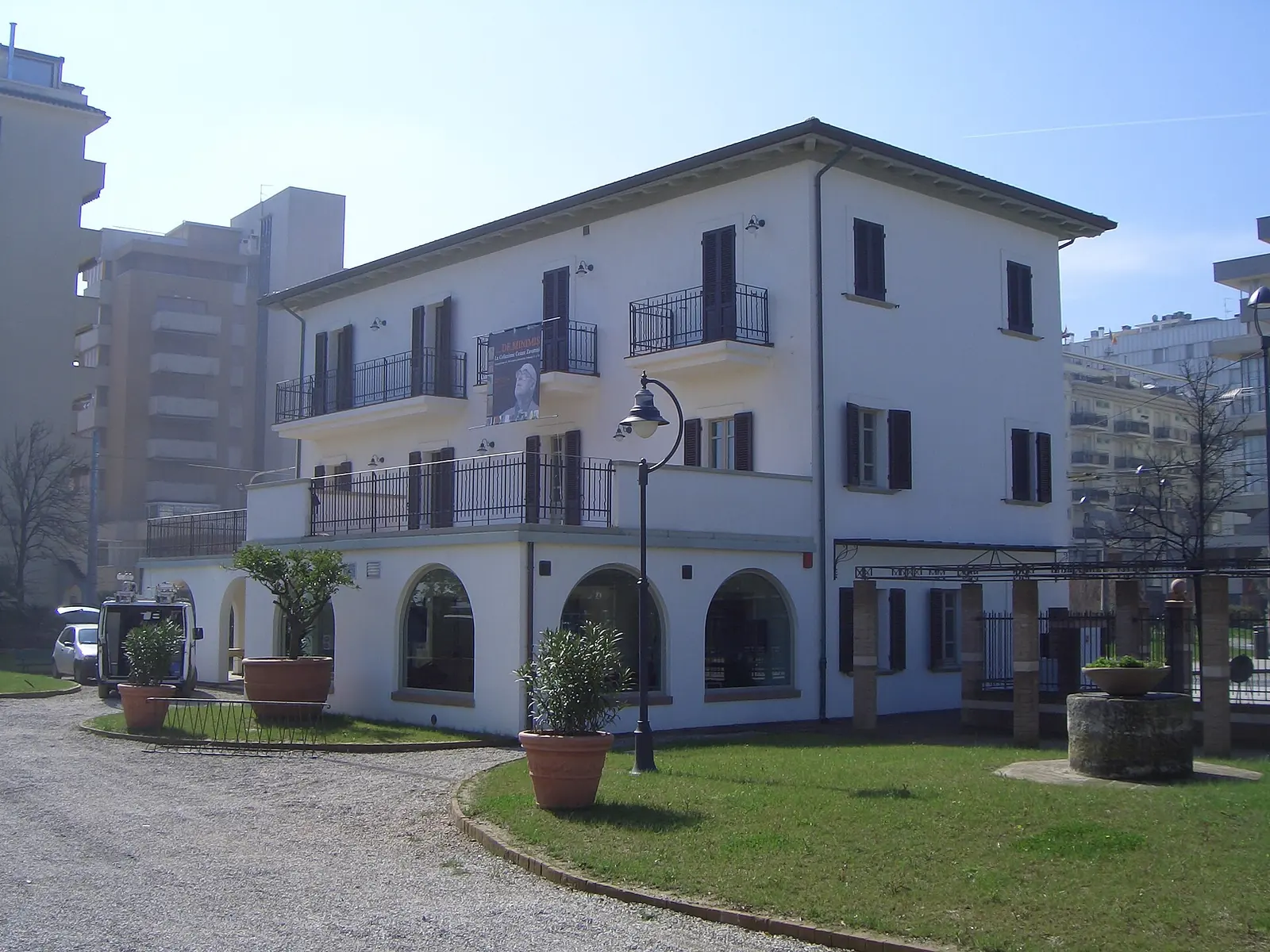
  11. Discovering Villa Mussolini

    On the seafront on Viale Milano, Villa Mussolini retains the name of the family that used it as a summer residence from 1934 to 1943. It now hosts exhibitions and cultural events.

    Villa Mussolini in Riccione, a white three-storey building with balconies and an arched portico, in front of a lawn
    Photo by Matrixmorbidoso, Wikimedia Commons, Public domain
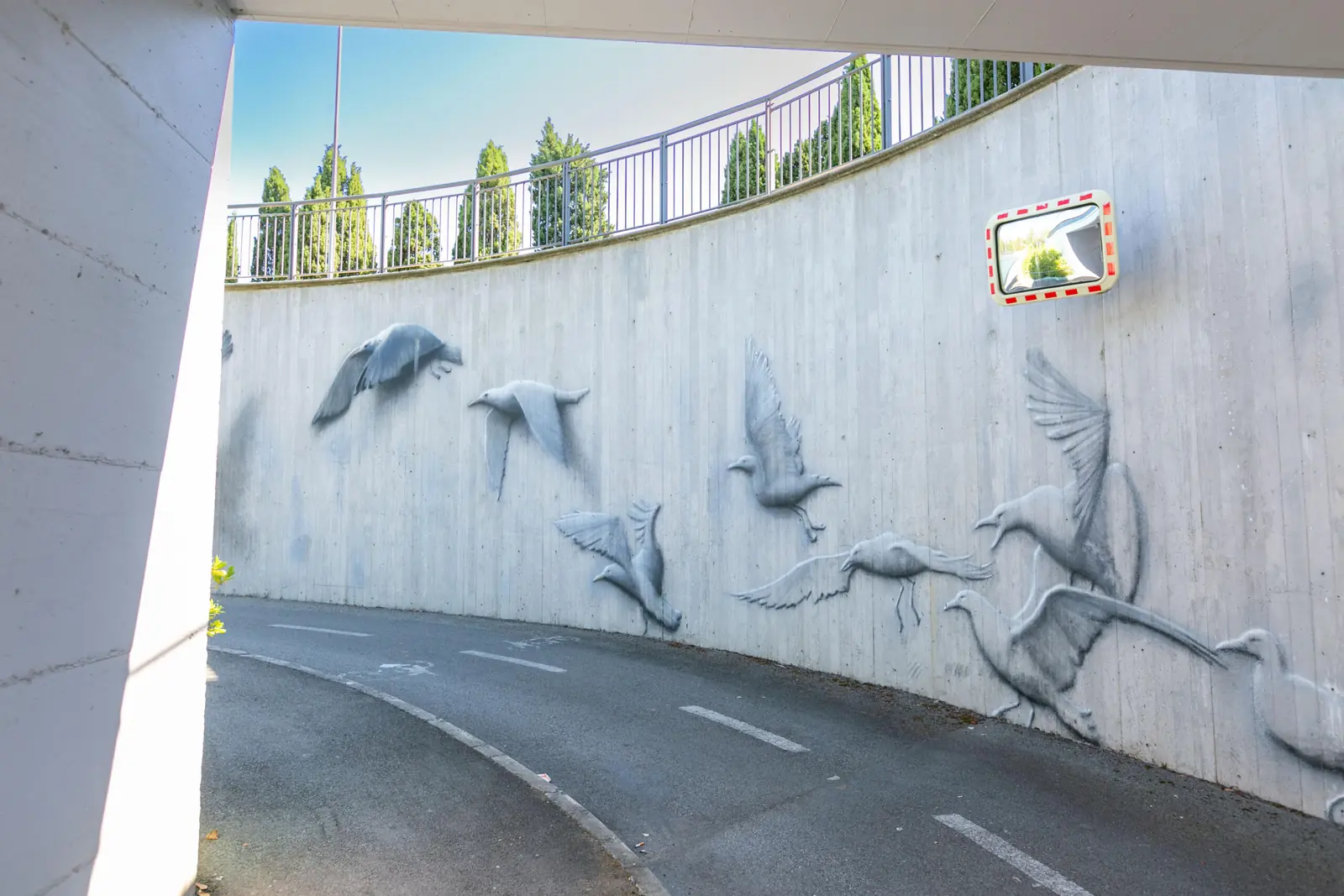
  12. Viewing Eron's mural

    In the Via Flaminia underpass, a heron and gull take shape on the wall: they are the subjects of “Concrete vs Concrete”, painted in 2015 by Eron, the artist name of Davide Salvadei. The mural is an outdoor urban art stop, different from collections housed in the villas and museum.

    Flying birds painted in grey with a relief effect on the curved wall of the Via Flaminia underpass in Riccione
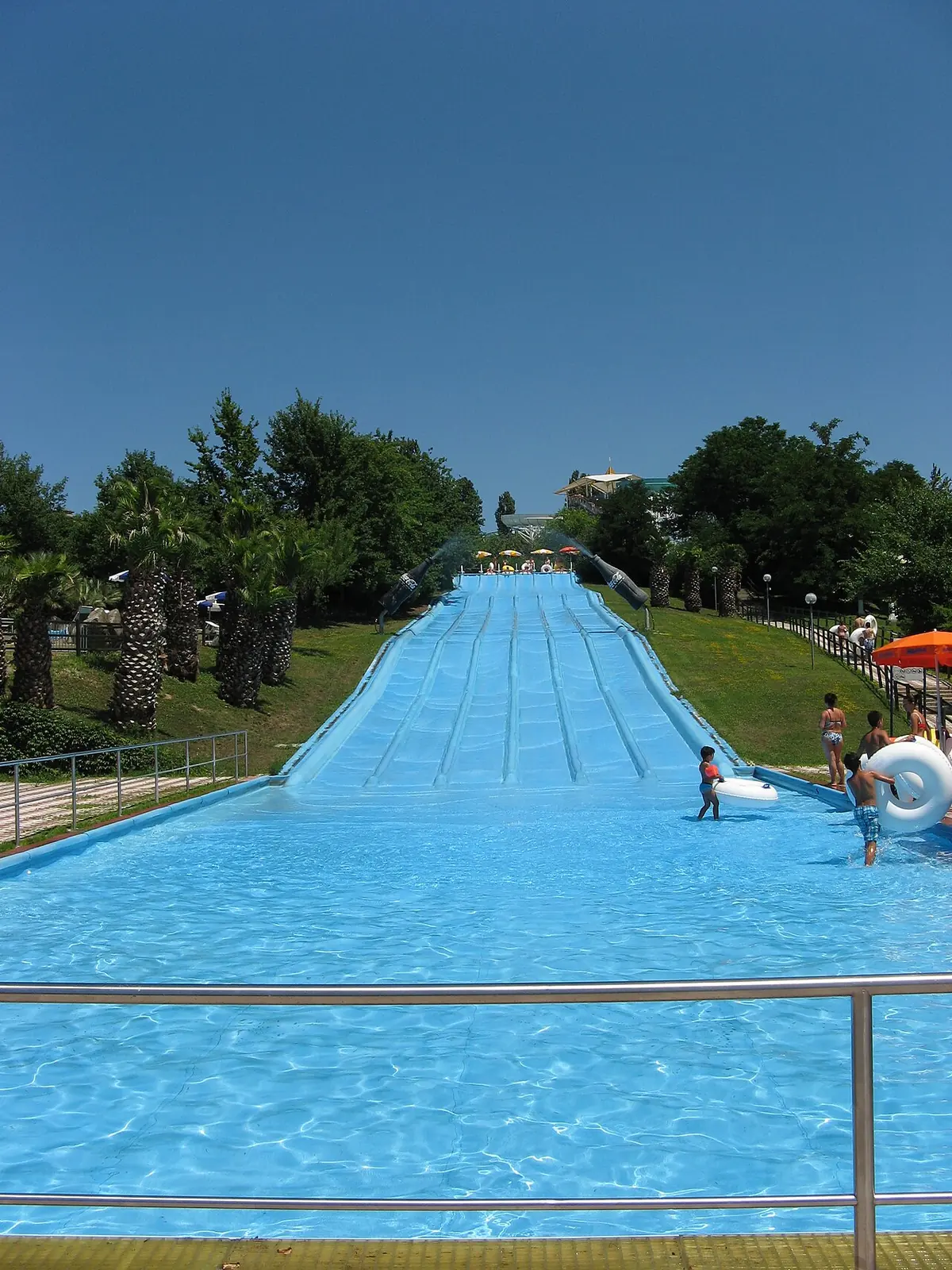
  13. Choosing Aquafan's slides

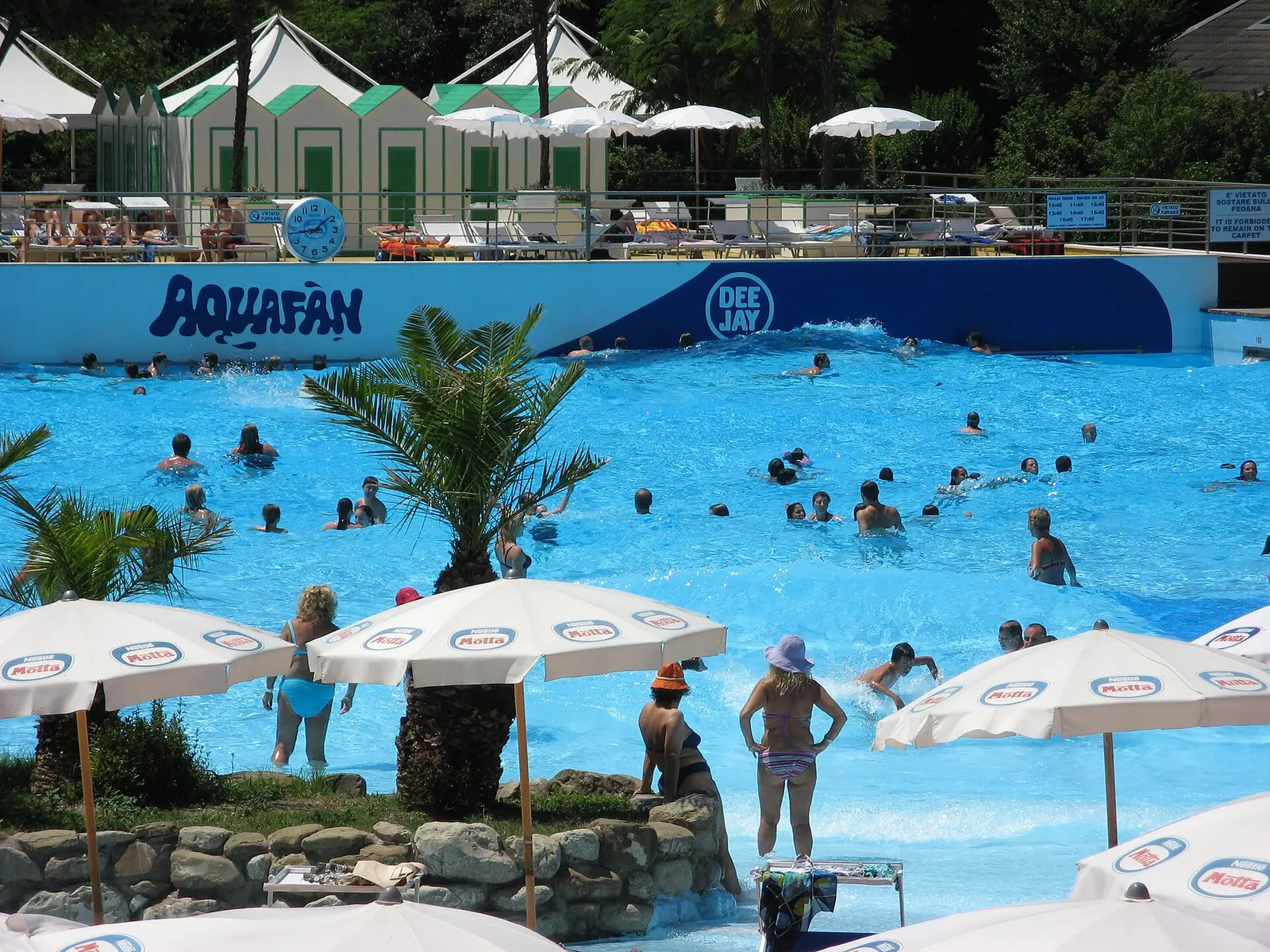
    Aquafan is the water park on Riccione's hill, opened in 1987. The day centres on slides and pools; opening calendars and access arrangements depend on the season. Pool-party information is covered in a dedicated feature on Aquafan's foam party.

    A wide, multi-lane blue slide descending into a pool among palm trees and lawns at Riccione's water park
    Photo by roadmap, Wikimedia Commons, CC BY 3.0
  14. Visiting Oltremare

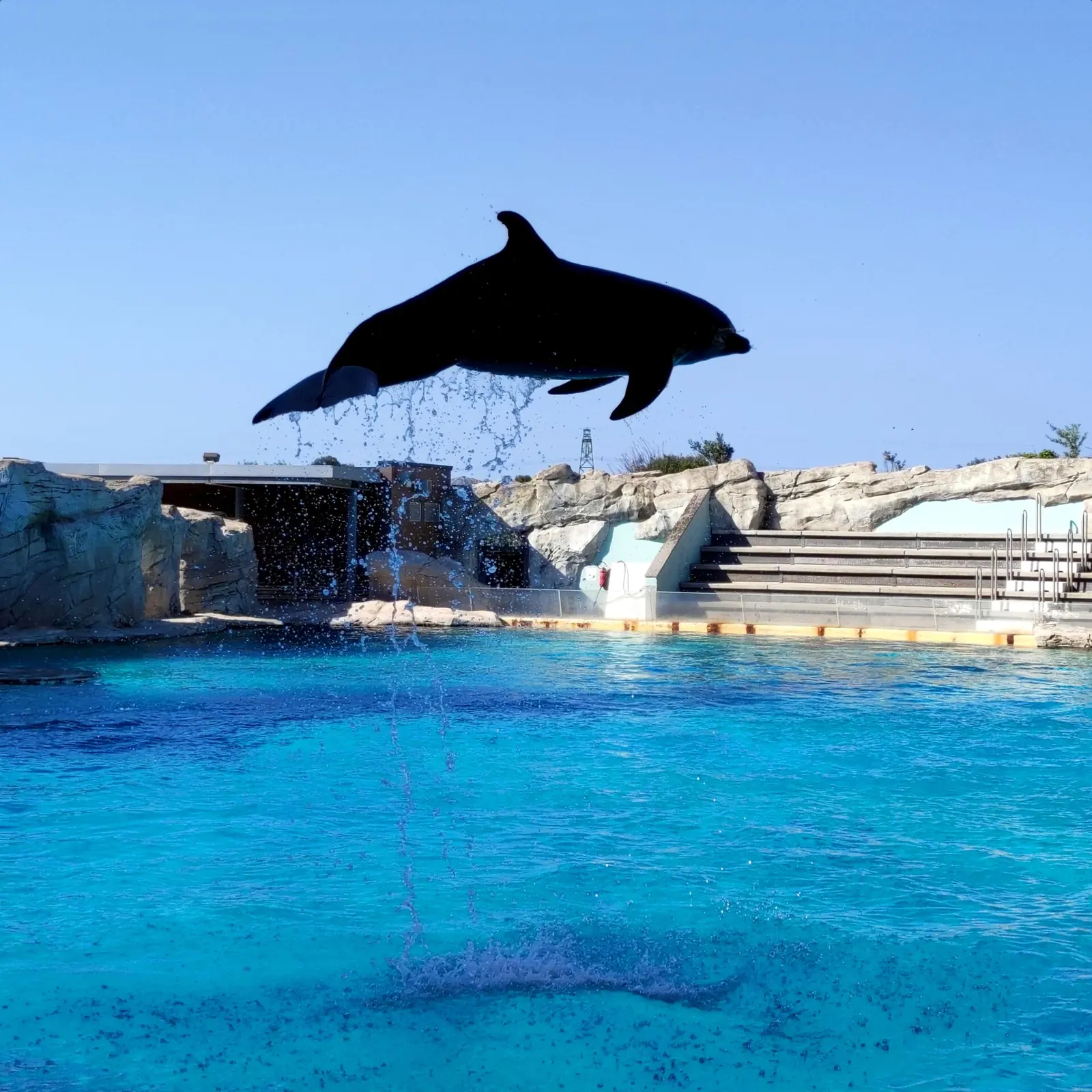
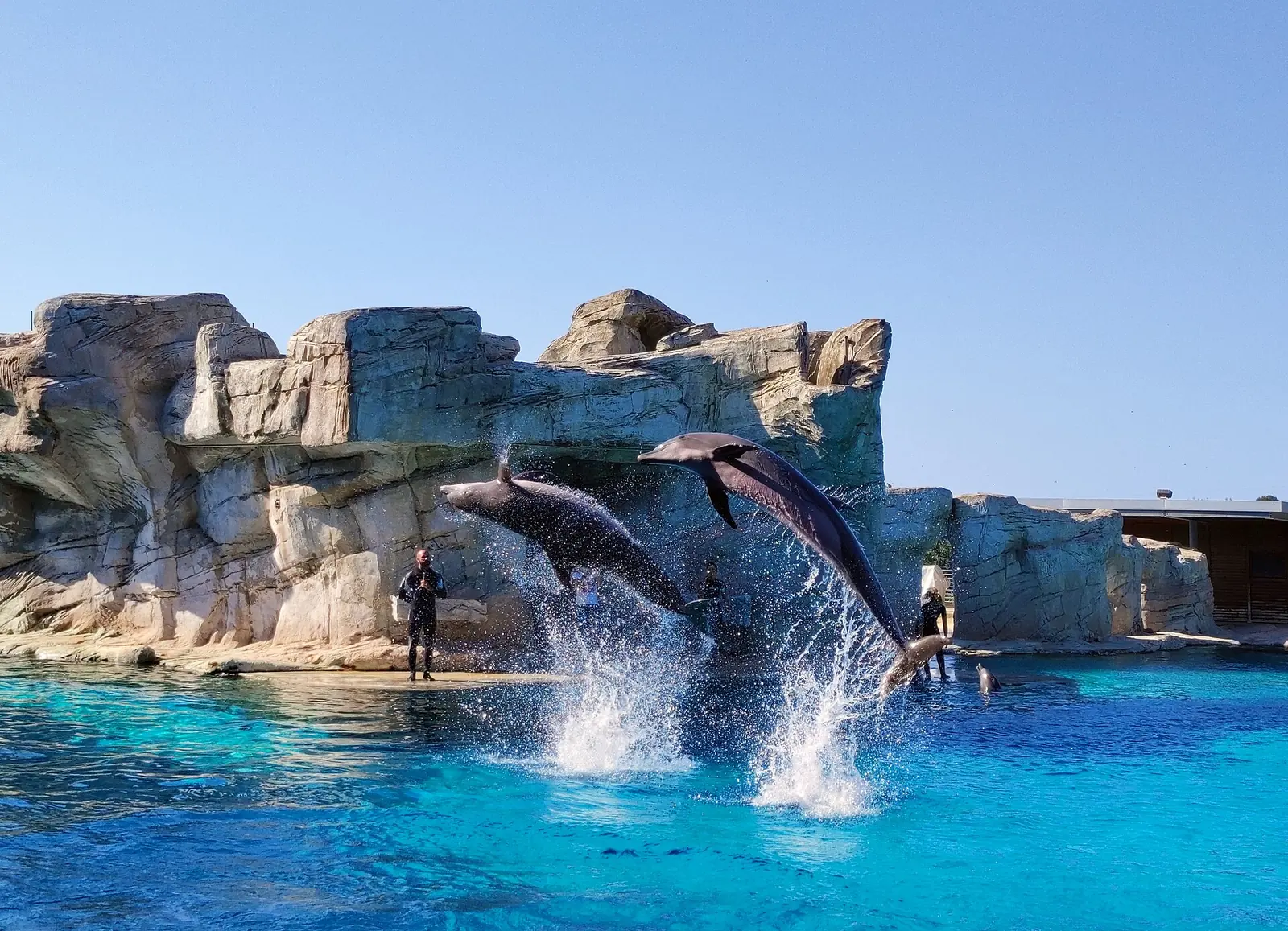
    Oltremare combines animal areas with routes exploring nature and the planet's history. The park has housed dolphins since 2004. Oltremare and Aquafan are separate parks, each with its own opening calendar; the Oltremare guide describes its areas.

    A dolphin leaping against the light above the dolphinarium's blue pool, with tiered seating and rocks in the background
    Photo by Terragio67, Wikimedia Commons, CC BY-SA 4.0
  15. Learning about sea turtle rescue

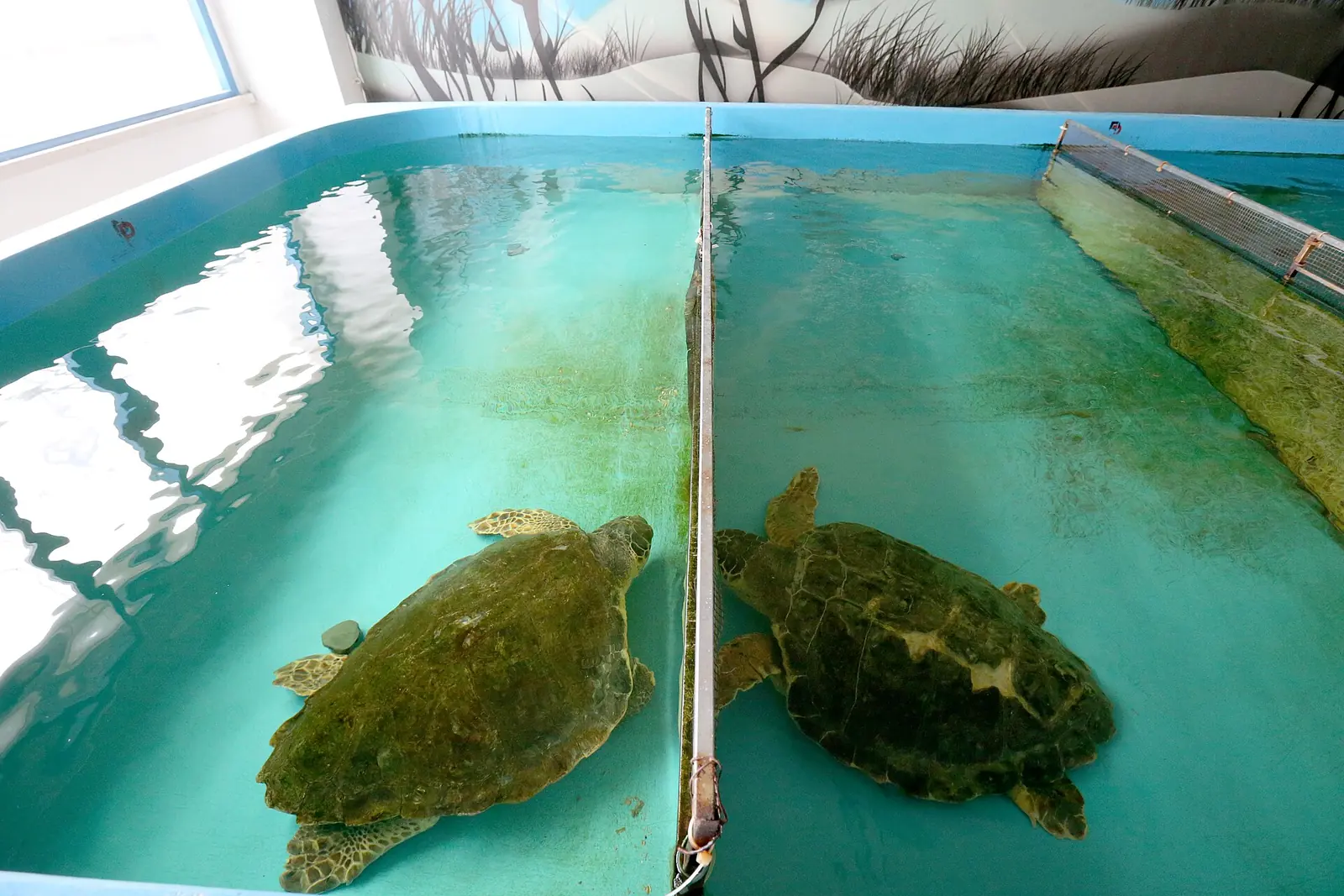
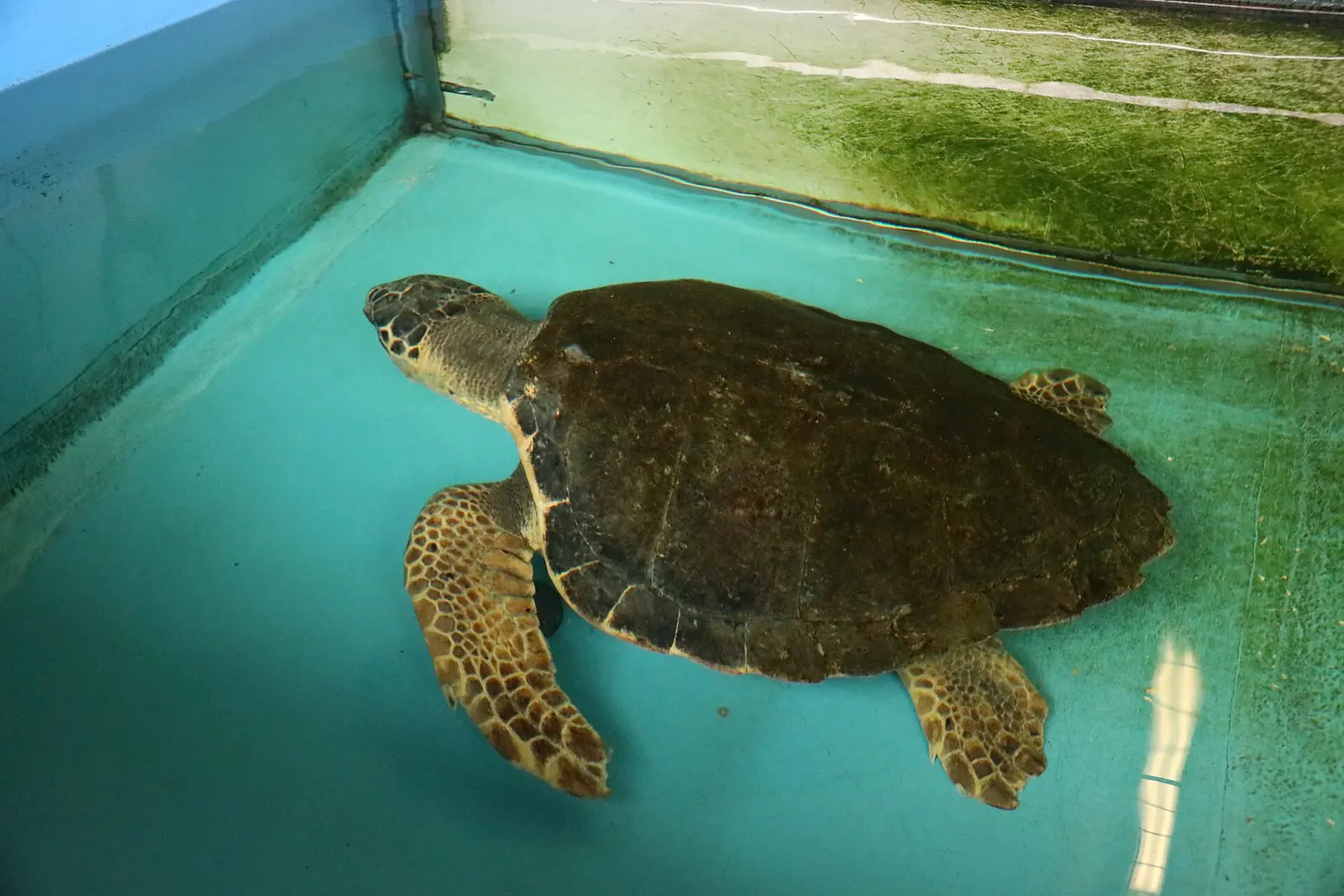
    Fondazione Cetacea and Ospedale delle Tartarughe handle animal rescue and care before the animals' return to the sea. The Riccione centre has operated since 1994. Visits are guided and require booking: a stop to arrange in advance, connected with understanding and protecting the Adriatic.

    Two sea turtles in a partitioned tank, with blue-green water and reflected windows
    Photo by Giorgio Benvenuti (European Commission Audiovisual Service), Wikimedia Commons, CC BY 4.0
  16. Making time for the thermal spa

    Riccione Terme is in the southern area, in a wooded park near the beach. It offers thermal treatments, rehabilitation and wellness programmes, with different access arrangements for treatments under healthcare agreements and the wellness area, described in the guide.

  17. Choosing theatre or open-air cinema

    Spazio Tondelli is the main venue for Riccione's theatre season. In summer, open-air cinema also takes place at Parco degli Olivetani. Performances, series and events are on the Entertainment in Riccione page.

  18. Planning an evening between the centre and sea

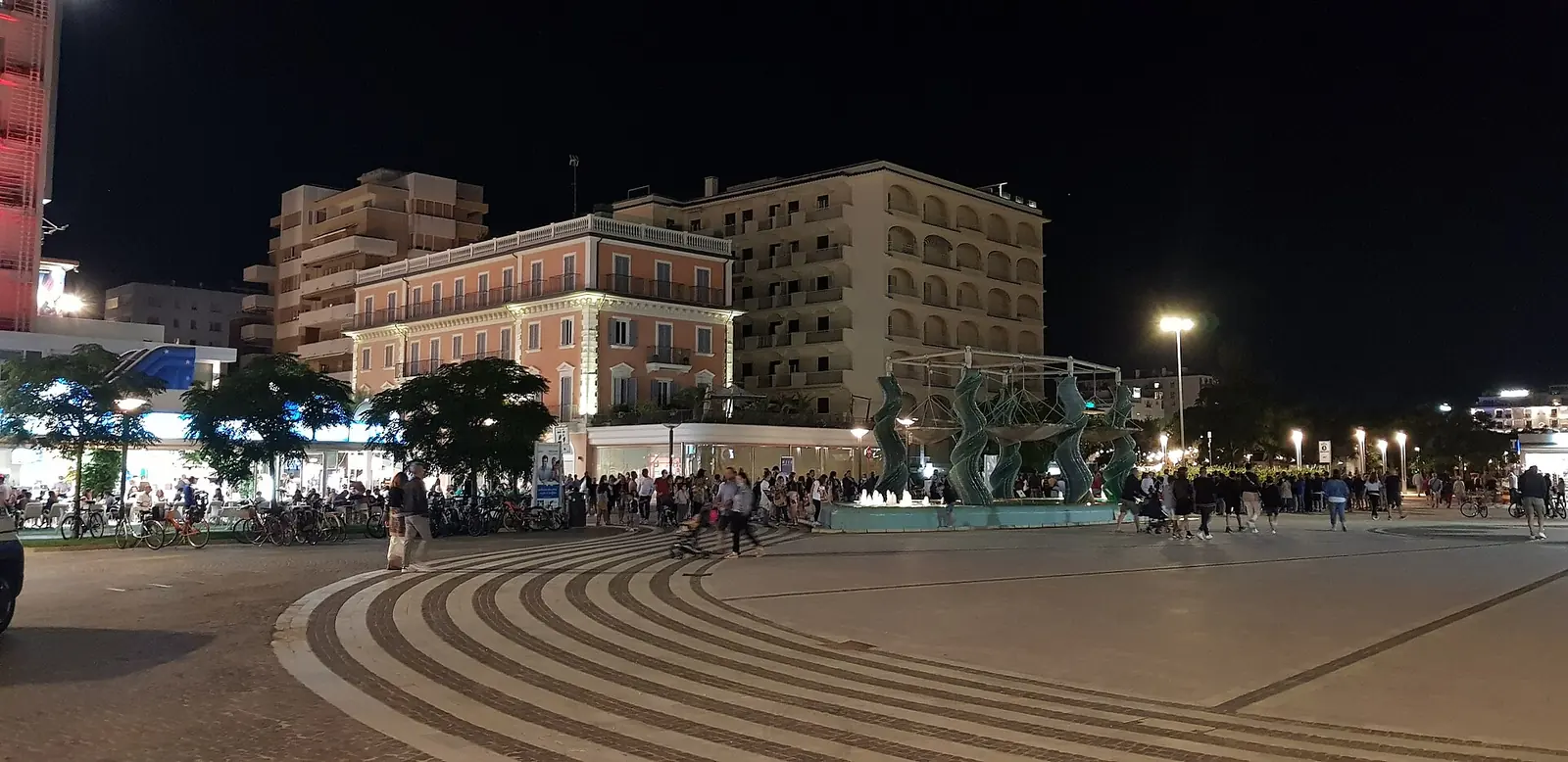
    Piazzale Roma hosts concerts, while the centre and seafront form part of evening walks. Summer events include Notte Rosa and dawn concerts on free beaches, with programmes changing each edition. The evenings and nightlife in Riccione guide explores areas and return transport links.

    Piazzale Roma in Riccione in the evening, with arc-patterned paving, the illuminated fountain and people walking in the distance
    Photo by Walter Giannetti, Wikimedia Commons, CC BY-SA 4.0
  19. Leaving Riccione for an excursion

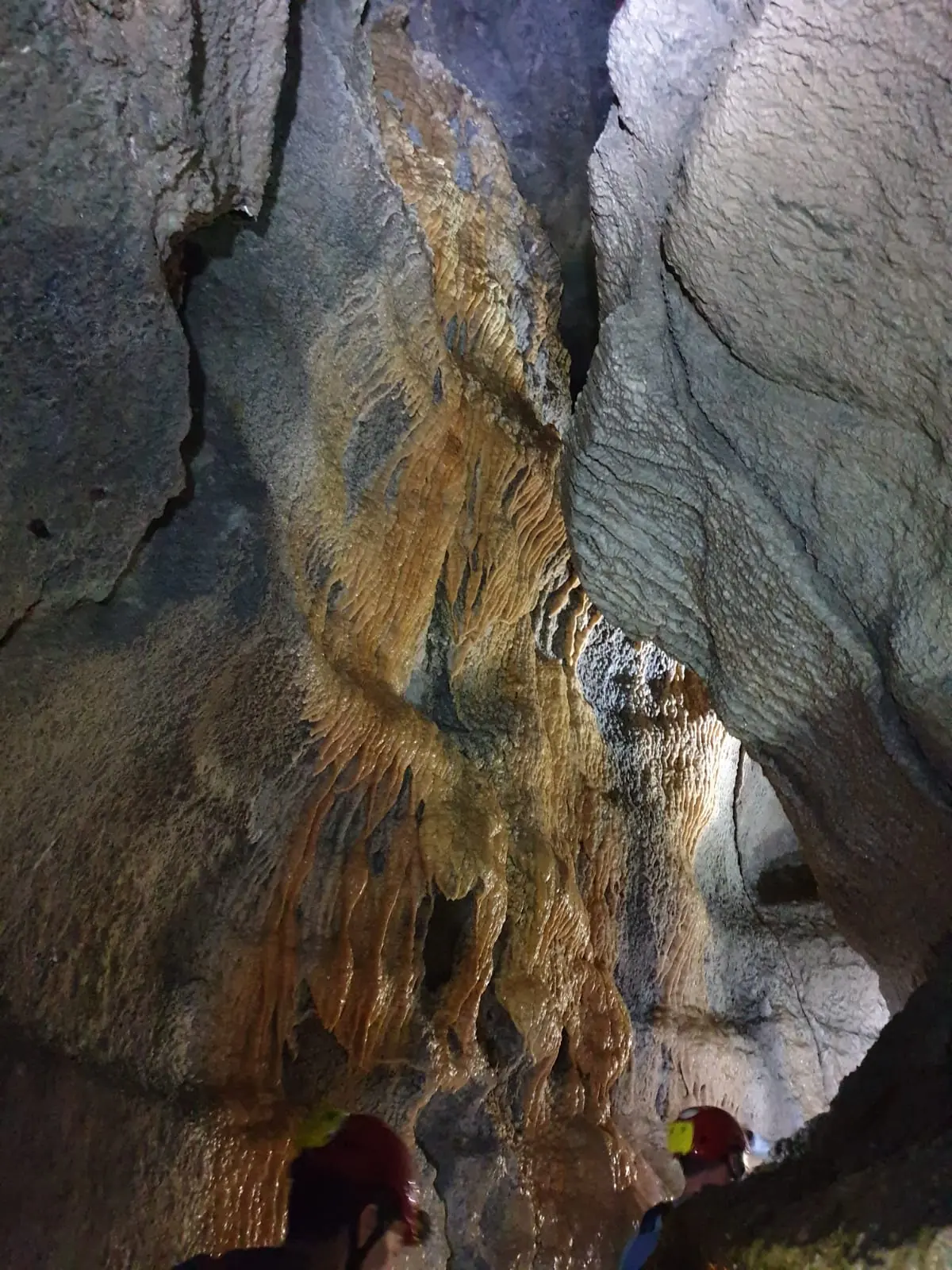
    Rimini is reachable by Metromare from both towns' stations; further inland, Repubblica di San Marino offers its historic centre on Monte Titano. In the hinterland, Riserva naturale di Onferno in Gemmano offers a guided cave visit. Excursions from Riccione collects these destinations and Valconca outings with transport links. Riviera Romagnola itineraries allows comparison with excursions from other resorts.

    A narrow passage in the Onferno cave, with ochre-toned limestone walls and two helmeted cavers below
    Photo by Rita Ostrovskyj, Wikimedia Commons, CC BY-SA 4.0

Sources: Comune di Riccione, place listings and news about Lungomare del Sole and Viale Ceccarini works; riccione.it tourism portal; Ministero della Cultura, Catalogo generale dei beni culturali; place and park websites. Accessed between 2 and 10 October 2026.
Character

What makes Riccione different

Seaside Riccione and Riccione Paese tell the story of two periods of the same town. The original core developed along Via Flaminia; nineteenth-century tourism growth shifted the centre of gravity towards the sea. The 1880 town plan envisaged tree-lined avenues and villas: a form that still helps explain the centre and its buildings today.

Riccione became an independent municipality in 1922. Alongside the villas' history is that of the beach, tents and the work of beach operators. Festa della Rustida preserves the memory of help received from tourists after the June 1964 storm: fish offered at the harbour belongs to this tradition of gratitude.

Beyond the centre and Riccione Paese, the town is divided into districts. Fontanelle is in the southern area, associated by the Comune with Abissinia, Villa Alta and Lungomare del Sole. In Piazza Fontanelle on Viale Sicilia, a zero-food-mile farmers' market takes place on Saturday mornings; Start Romagna route 58 connects Fontanelle's campsite area with the station, Riccione Paese and the Aquafan and Oltremare parks.

Riccione's Palazzo del Turismo, a pale building with large arched windows among pine trees and a fountain in the foreground
Photo by Matrixmorbidoso, Wikimedia Commons, Public domain

Sources: riccione.it, La storia di Riccione and Come arrivare e mobilità; Comune di Riccione, news about Fontanelle, Abissinia and Villa Alta districts and Mercati, mercatini e fiere document; Ministero della Cultura, Catalogo generale dei beni culturali, memories of the beach tent and Rustida. Accessed between 2 and 10 October 2026.
Things to see

Other places to see

Beyond the main stops, some places add time in greenery or a chapter of the town's history.

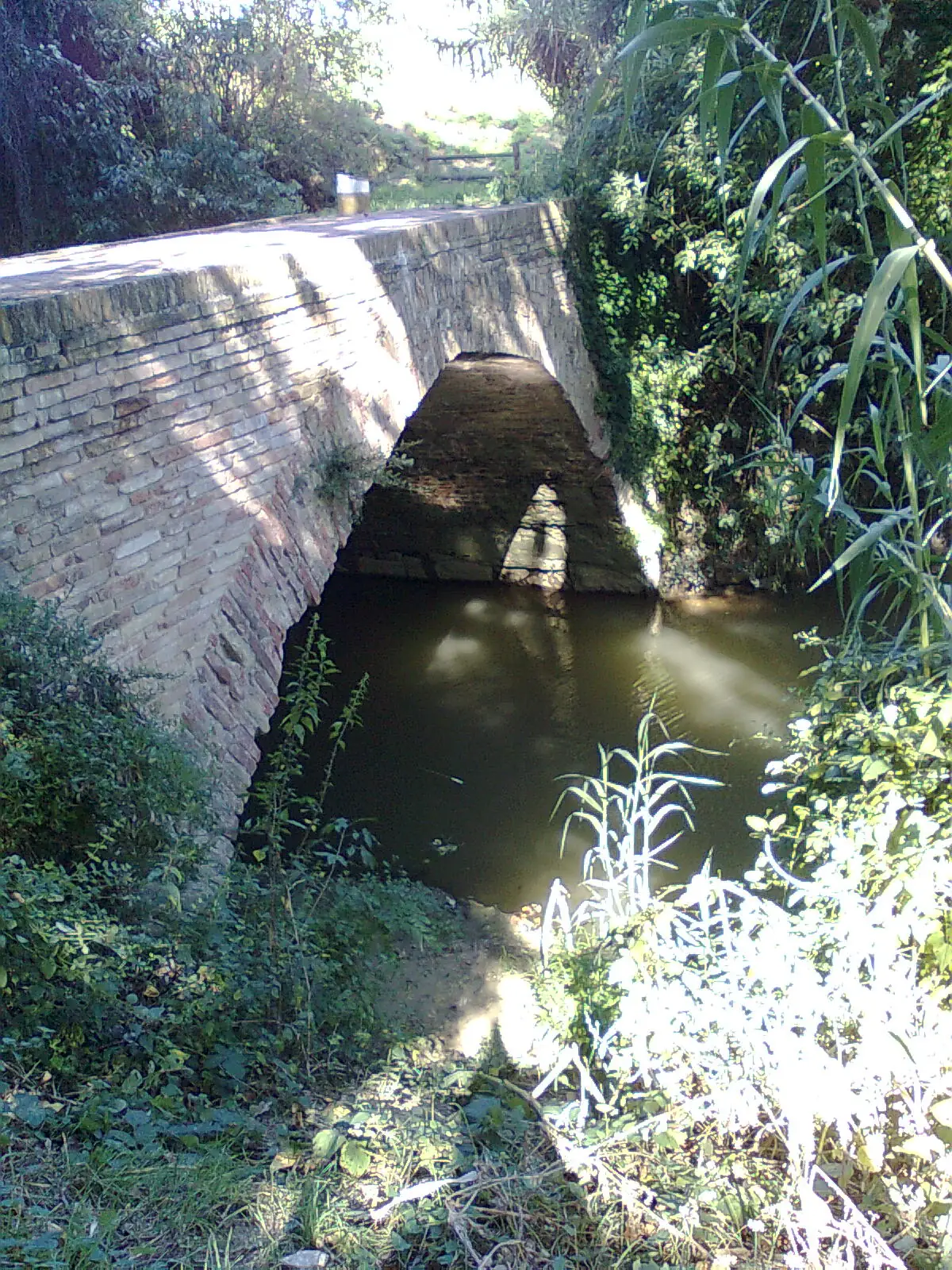
The brick bridge over Rio Melo in Riccione, with its arch reflected in the water and vegetation along the banks
Photo by rosanna nicolai, Wikimedia Commons, CC BY 3.0

Ponte Romano and San Lorenzo in Strada

The bridge over Rio Melo and archaeological remains along Flaminia relate to settlements predating the tourist town.

Villa Lodi Fè

The small villa is in Parco Papa Giovanni Paolo II on Viale delle Magnolie.

Parco della Resistenza

A town park with a pond, on Viale Monte Bianco.

Giardini dell'Alba

A roof garden on Via Cilea, in the Alba district.

Arboreto Cicchetti

The former municipal nursery on Viale Bufalini became an educational botanical garden.

Orto botanico delle sabbie

In the southern area near Piazzale Marinai d'Italia, it preserves sandy-coast vegetation.

Sources: Comune di Riccione, place listings; riccione.it, La storia di Riccione. Accessed between 2 and 8 October 2026.

The sea

The beach

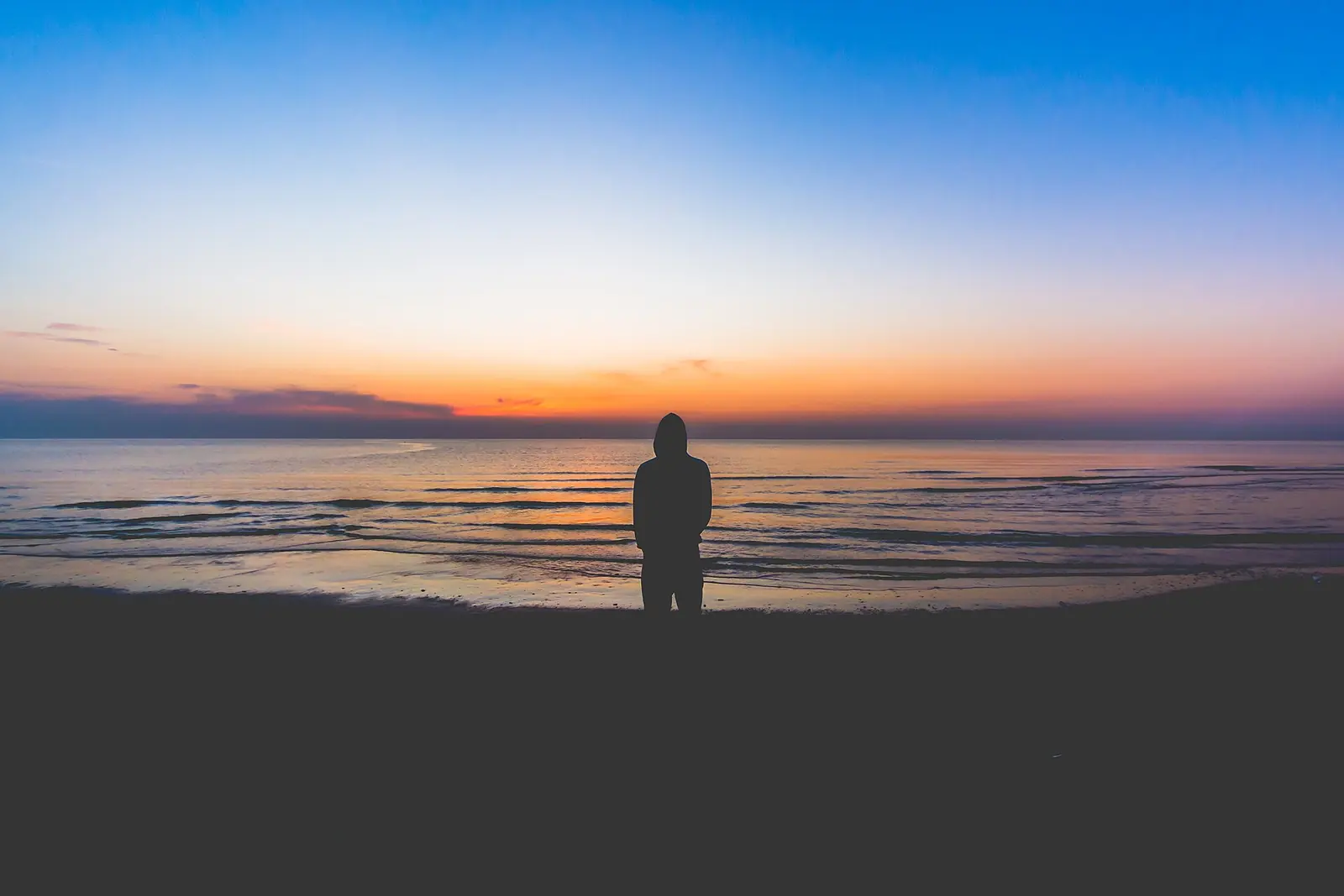
Dawn over the Adriatic Sea from Riccione beach, with the sky fading from blue to orange
Photo by Pietro De Grandi peter_mc_greats, Wikimedia Commons, CC0

Riccione's coast includes 130 equipped beach establishments and free beach stretches such as Marano. Alongside parasols, the beach tent remains as a sun shelter tied to local tradition.

In 2026, Riccione's eight bathing waters are classified as “excellent” and the Comune received the Blue Flag; any temporary swimming bans are signposted on site. The Riccione beach guide explores areas and services, while free beaches identifies access points.

Sources: Regione Emilia-Romagna, DGR n. 561 of 20 April 2026; Comune di Riccione; riccione.it, Mare e spiagge di Riccione. Accessed between 2 and 10 October 2026.
All about Riccione beach

Food

Where to eat

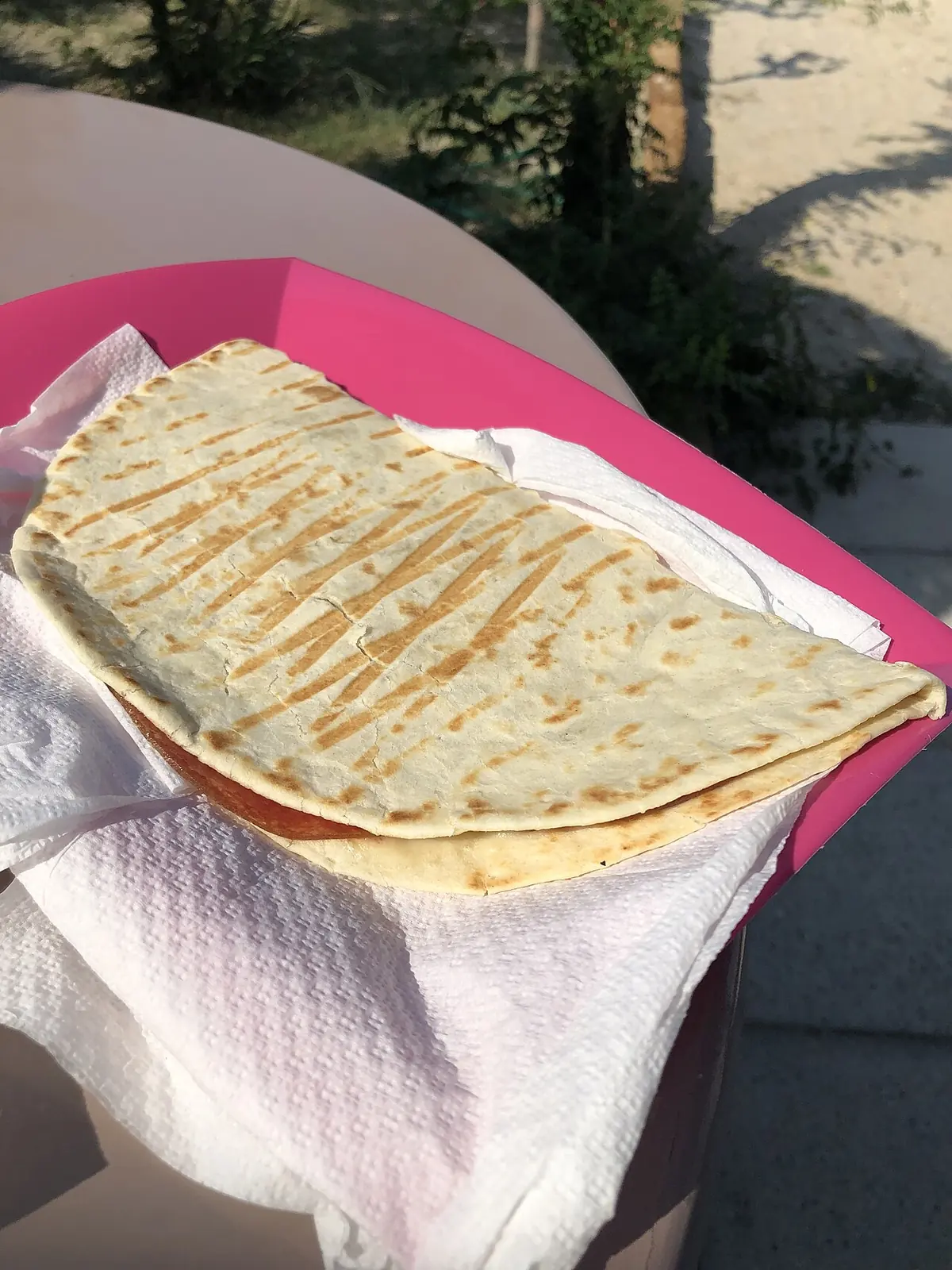
A folded Romagna piadina with griddle marks, on a pink tray and paper napkin
Photo by Lasagnolo9, Wikimedia Commons, CC BY-SA 4.0

Piadina and Adriatic fish are two staples of Riccione's cuisine. Recurring preparations include piadina with squacquerone or sardoncini, fish skewers and mixed fried fish. The what to eat in Riccione guide describes dishes and products.

At the harbour, Festa della Rustida centres on oily fish and the beach operators' tradition: it is a June event.

Sources: riccione.it, Cosa mangiare a Riccione; Comune di Riccione and Ministero della Cultura, Catalogo generale dei beni culturali, for Rustida. Accessed on 2 October 2026.

Where to eat in Riccione

Place guides

Places in Riccione

Every place to visit has its own dedicated guide.

Connections

Getting there and getting around

By car

The A14 Riccione exit is the town's motorway access point. In the centre, Viale Ceccarini and Lungomare della Costituzione are restricted traffic zones all year. Areas to stay are described on the Hotels in Riccione page.

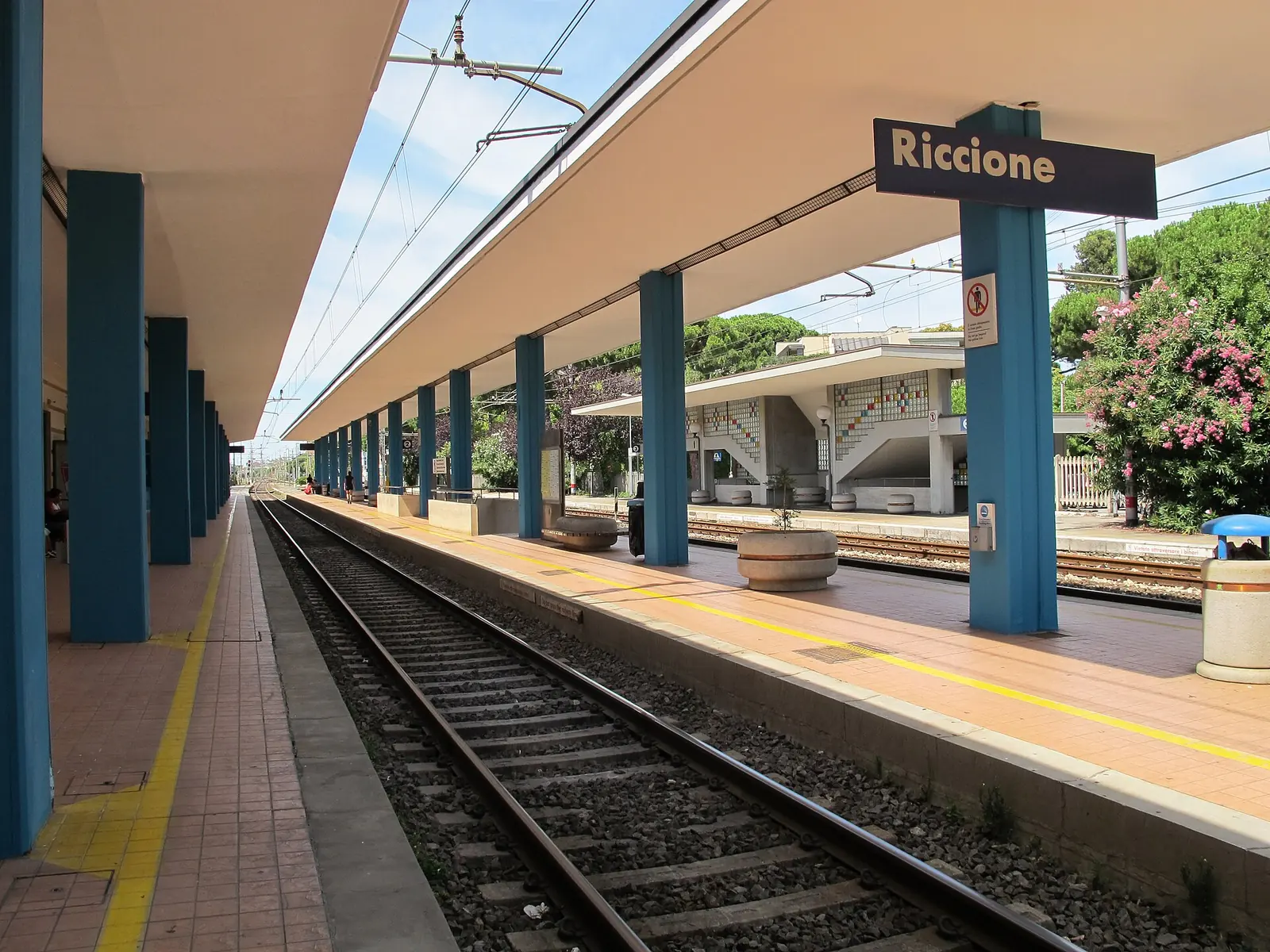
The platform at Riccione station with its canopy, pale blue pillars and station name sign
Photo by Biello di Biella, Wikimedia Commons, CC BY-SA 3.0

By train and air

Riccione station is central, on the Bologna-Ancona line. Aeroporto Federico Fellini is in Rimini Miramare: from the Miramare Airport Metromare stop, the terminal is about one kilometre's walk away. The airport website describes connections.

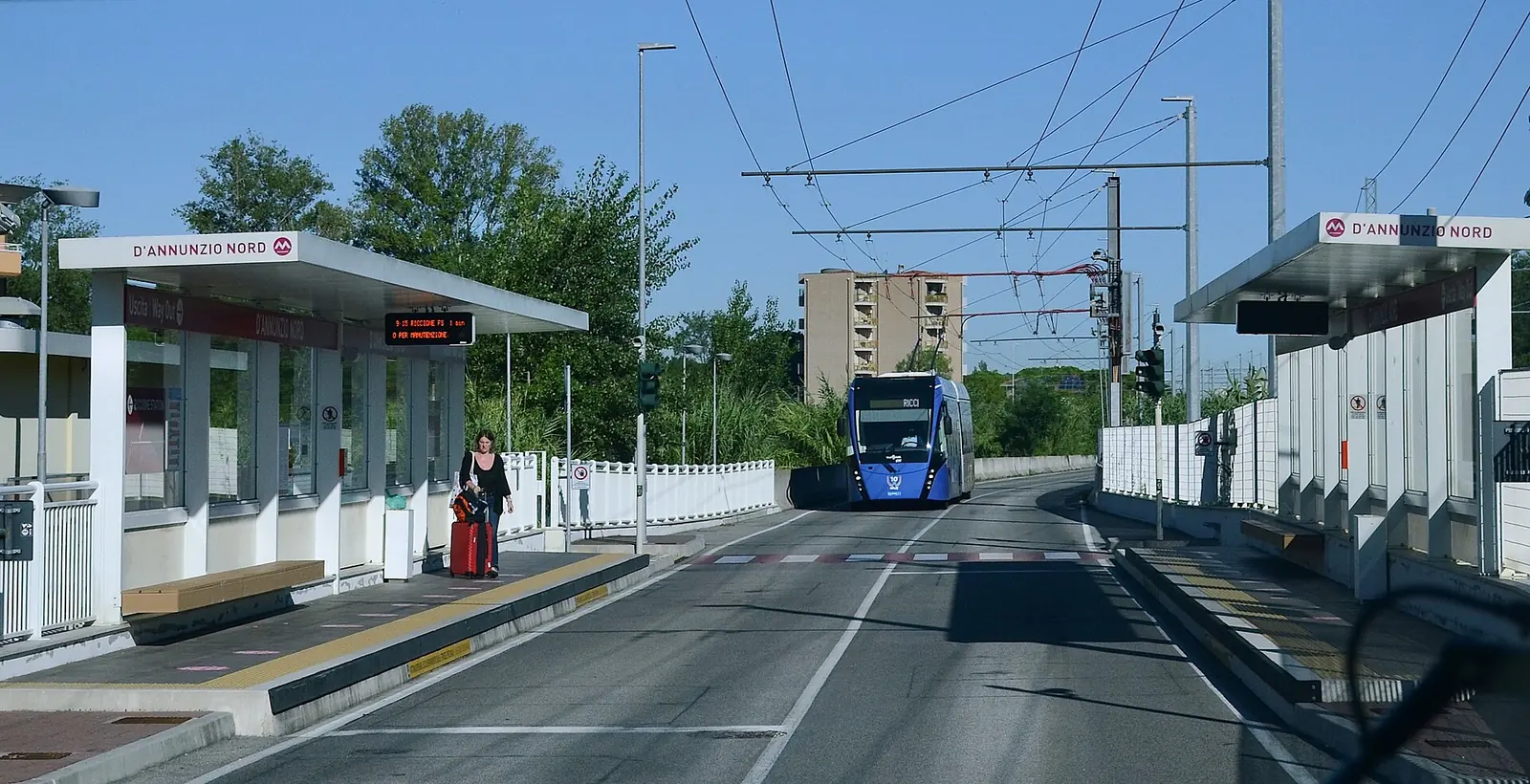
The D'Annunzio Nord Metromare stop in Riccione's territory, with the blue trolleybus arriving along the dedicated lane
Photo by Steve Morgan, Wikimedia Commons, CC BY-SA 4.0

Getting around town

Metromare links Riccione and Rimini stations on a dedicated route, with 15 intermediate stops and an indicative journey time of 23 minutes. Start Romagna buses complete travel towards other resorts and parks: route 125 leads to Misano Adriatico and Cattolica, route 58 to Riccione Paese, Aquafan and Oltremare.

Sources: riccione.it, Come arrivare e mobilità; RFI; Aeroporto di Rimini website; Start Romagna, Metromare. Accessed between 2 and 10 October 2026.
Seasons

When to visit

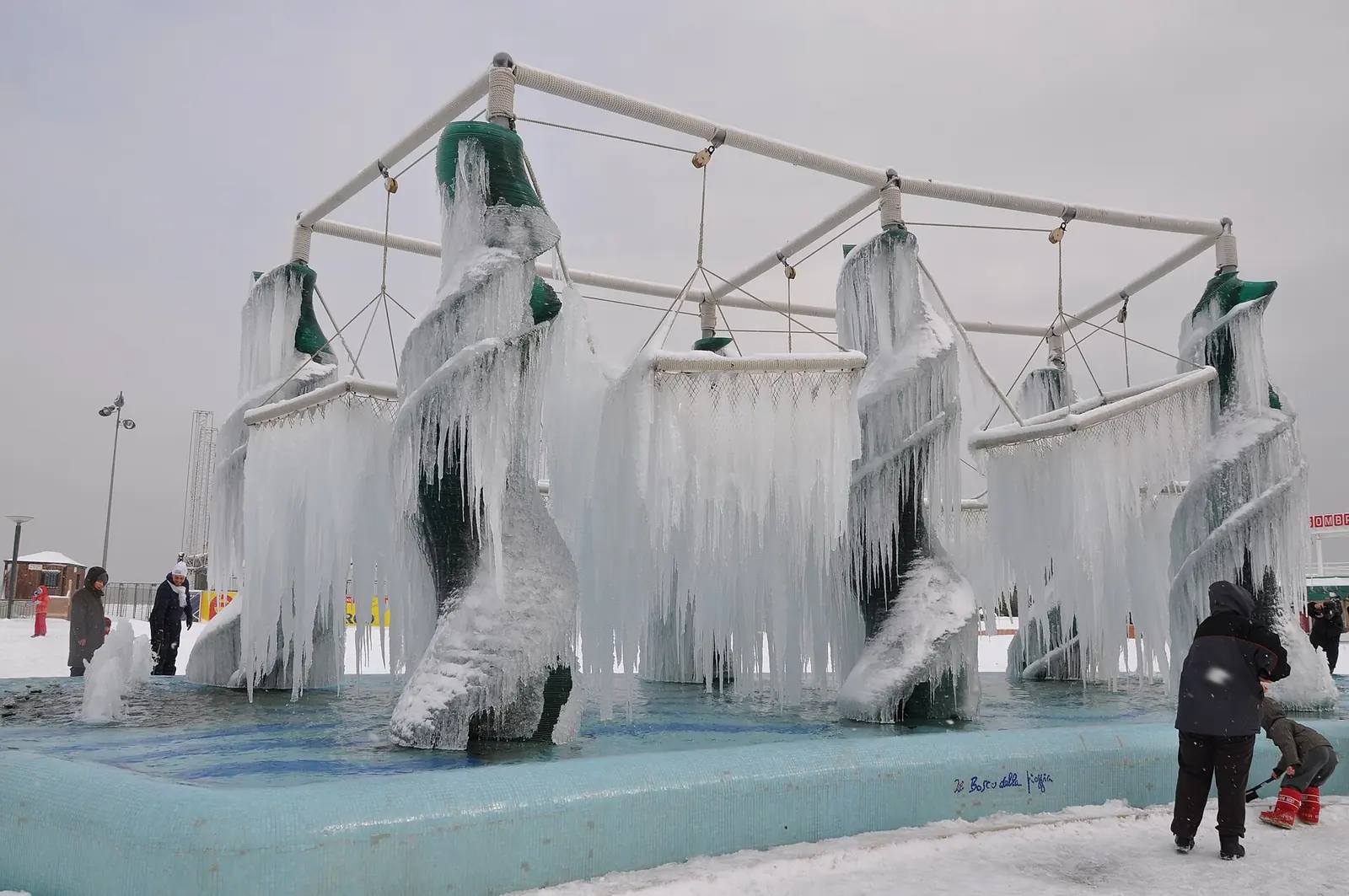
The fountain in Piazzale Roma in Riccione covered in ice after snowfall, with two people in the background
Photo by Andrea Speziali, Wikimedia Commons, CC BY-SA 3.0

June, July and August are the months for seaside holidays and the greatest number of guests: in 2025, August recorded the highest number of overnight stays, meaning nights spent in accommodation establishments.

In spring and early autumn, visits can focus on the centre, villas and excursions, with average maximum temperatures between 17 and 22 degrees in April and May.

MonthAverage minimum (°C)Average maximum (°C)Rainfall (mm)Overnight stays in 2025
January2.18.150.289,373
February2.59.957.246,919
March5.713.762.280,428
April9.017.362.5187,750
May13.121.958.5266,281
June17.026.156.7613,277
July19.228.443.2795,575
August19.228.248.0867,284
September15.423.883.6363,409
October11.819.084.190,470
November7.713.787.969,516
December3.29.275.577,636

The table's climate figures refer to the 1991-2020 thirty-year period; overnight stays are final 2025 figures.

Each season has its own activities and recurring events. Individual edition dates are in the Riccione events calendar; theatre, cinema and concerts are covered on the Entertainment in Riccione page.

SeasonThings to doRecurring events
SpringWalks between the centre, harbour and Riccione Paese, villa exhibitions, first days at the beachFugaracia, around 19 March; StraRiccione, in late March; Festa del Beato Alessio, on the weekend after Easter
SummerBeach and free beaches, Aquafan and Oltremare, evenings between Piazzale Roma and the seafrontFesta della Rustida, in mid-June; Notte Rosa; Festival del Sole, between late June and early July; Festa della Madonna del Mare, in July
AutumnSeafront and harbour, villa exhibitions, excursions to San Marino and ValconcaRicc10ne Sunset Run, in September; Parco delle zucche at Villa Lodi Fè, from 24 October to early November; Spazio Tondelli theatre season, from November to May
WinterChristmas lights in the centre and on the seafront, observation wheel in Piazzale Roma, theatreChristmas festivities on the seafront and in the centre, from late November to 6 January; Tuffo di Capodanno, on the morning of 1 January

In even-numbered years, the calendar also includes Riccione TTV Festival.

Sources: Arpae, Osservatorio clima, 1991-2020 averages; Regione Emilia-Romagna, Servizio Statistica, final 2025 figures; Comune di Riccione and riccione.it, event programmes for 2024-2026 editions, including Il rito della Fugaracia, Rustida, Parco delle zucche and the Riccione Teatro season. Accessed between 2 and 10 October 2026.
Useful answers

Frequently asked questions about Riccione

Things to do in Riccione this weekend?

It depends on the season. In summer there are Riccione Music City concerts in Piazzale Roma and Piazzale Ceccarini, Albe in controluce, meaning dawn concerts on free beaches, and the Giovedì dell'arte evening art market on the seafront on Thursdays. In autumn, from 24 October to early November, Villa Lodi Fè hosts Parco delle zucche, and the Spazio Tondelli theatre season begins in November; from late November to Epiphany, the centre and seafront host Christmas festivities and the observation wheel. The walk between Viale Ceccarini, Piazzale Roma and the canal harbour remains an option all year round. The day's programme is in the Riccione tourism calendar, and the year's recurring events are listed under events in Riccione.

What to see in Riccione in one day?

A day on foot can begin in Riccione Paese, with Chiesa di San Martino and Museo del Territorio in Centro Culturale della Pesa, descend towards Viale Ceccarini and Piazzale Roma with the “Il Bosco della Pioggia” fountain, and continue along the seafront to the canal harbour and Madonna del Mare column. Villa Franceschi, with its free-entry Galleria d'arte moderna e contemporanea, and Villa Mussolini on the seafront add a stop among the villas. Routes are described in excursions from Riccione.

Things to do in Riccione when it rains?

Indoor visits include Museo del Territorio “Luigi Ghirotti”, with fossils and finds from local geology to Roman times, and the Galleria at Villa Franceschi: both have free admission and their own opening calendars. Fondazione Cetacea, with Ospedale delle Tartarughe, can be visited with a guide and advance booking. From November to May, Spazio Tondelli hosts the theatre season, while Riccione Terme offers thermal treatments and wellness programmes. Other indoor options are in Riccione with children.

Which area of Riccione is best for a stay?

It depends on the kind of stay planned. The centre, between Viale Ceccarini, Piazzale Roma and the station, has trains and Metromare nearby. To the south, from the Misano Adriatico boundary, Abissinia follows Viale Torino, where the Terme is located, to Piazzale San Martino; to the north, Alba and Marano lead towards the Rimini boundary. Riccione Paese is inland of the railway: reaching the sea from there requires crossing the tracks. Hotel categories and opening months are covered in hotels in Riccione.

How to get around Riccione without a car?

The railway station is central, on the Bologna-Ancona line. Metromare links it to Rimini station in about 23 minutes, with 15 intermediate stops along the coast; only folding bicycles are allowed aboard. Among Start Romagna buses, route 125 leads to Misano Adriatico and Cattolica, and route 58 to Riccione Paese, Aquafan and Oltremare. On Lungomare della Libertà, between the harbour and Piazzale Roma, the cycle path is separate from the pedestrian route.

Are Aquafan and Oltremare the same park?

No. Aquafan is the hilltop water park, opened in 1987, with slides and pools; Oltremare combines animal areas, with dolphins housed since 2004, with routes exploring nature and the planet's history. They are two separate parks, each with its own opening calendar and access arrangements, described in the Aquafan and Oltremare guides.

Sources: Comune di Riccione and riccione.it portal, events calendar, place listings and Come arrivare e mobilità; Start Romagna, Metromare and routes 58 and 125; RFI; Regione Emilia-Romagna and Comune di Riccione for town areas; Aquafan, Oltremare and Fondazione Cetacea websites. Accessed between 2 and 11 October 2026.
Further information

All Riccione sections

Each topic has its own dedicated guide.