Skip to content
Riviera Romagnola The nine coastal resorts
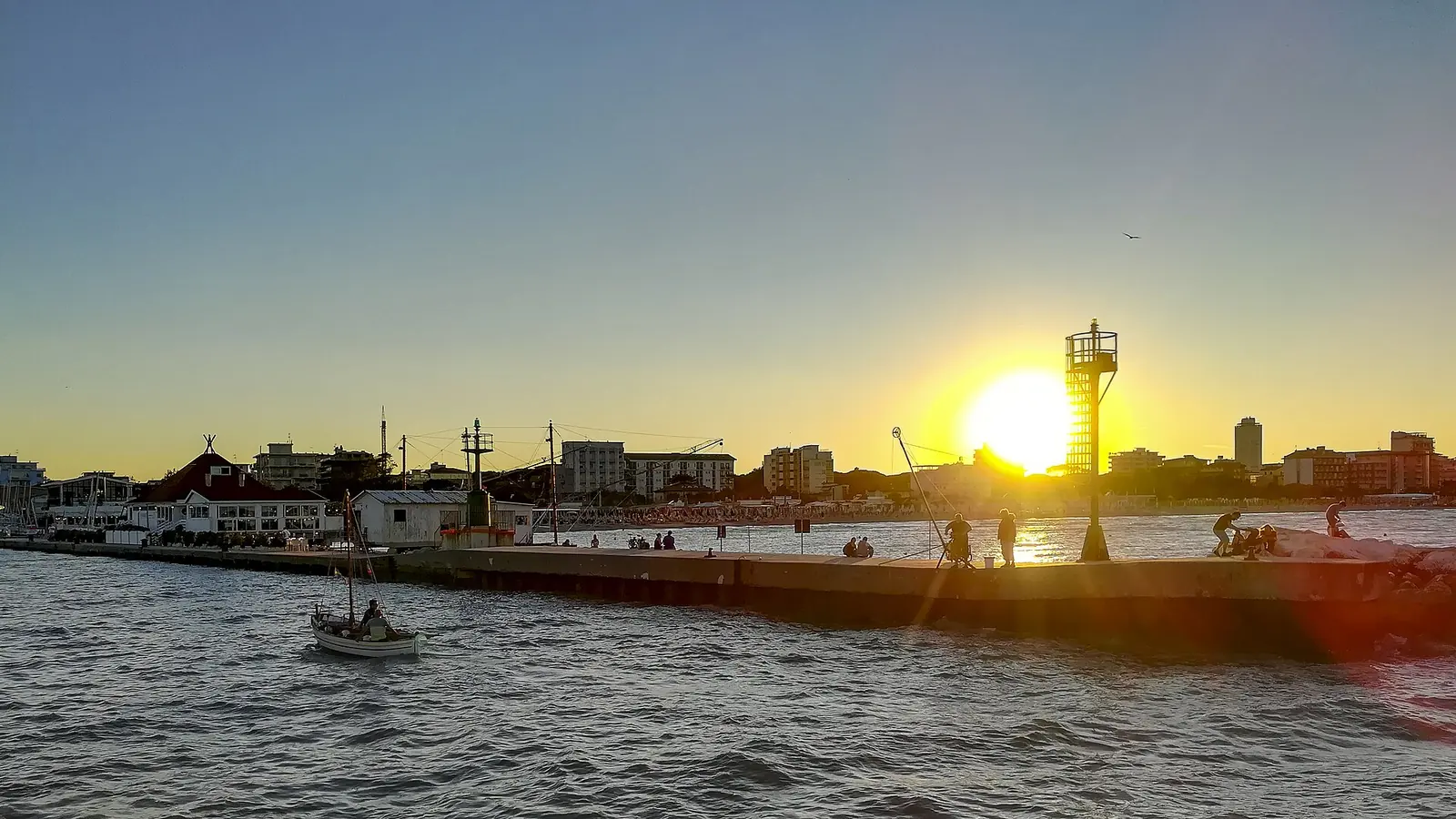
Cervia canal harbour at sunset, with lighthouse, boats and the outline of coastal buildings

Photo by Lorenzo Gaudenzi, Wikimedia Commons, CC BY-SA 4.0

Provincia di Ravenna, Emilia-Romagna

Things to do in Cervia

The resort

At a glance

Cervia is a seaside town built around salt. Its regular historic centre, warehouses on the canal harbour and hinterland salt pan tell the story of the same economy. The coast, meanwhile, offers different areas to stay: Cervia Mare, Pinarella and Tagliata south of the harbour, Milano Marittima to the north. A visit alternates beach, pinewood and salt-working sites, from Museo del Sale to the salt pan.

Municipality
Cervia, Provincia di Ravenna, Emilia-Romagna
Population
29,075 residents as at 1 January 2026 (Istat estimate)
Area
82.34 km² (Istat)
Location
Adriatic coast; borders Ravenna, Cesena and Cesenatico
Localities
under the statute, Cervia Centro, Terme, Milano Marittima, Pinarella, Tagliata, Castiglione, Savio, Pisignano, Cannuzzo, Montaletto, Villa Inferno and Saline; Milano Marittima has its own page, Milano Marittima
Patron saint
San Paterniano, on 13 November
Coast
around 9 km, including 3,700 metres north of the canal harbour (Milano Marittima) and 5,300 south (Cervia, Pinarella, Tagliata); Blue Flag 2026, the 31st
Salt pan
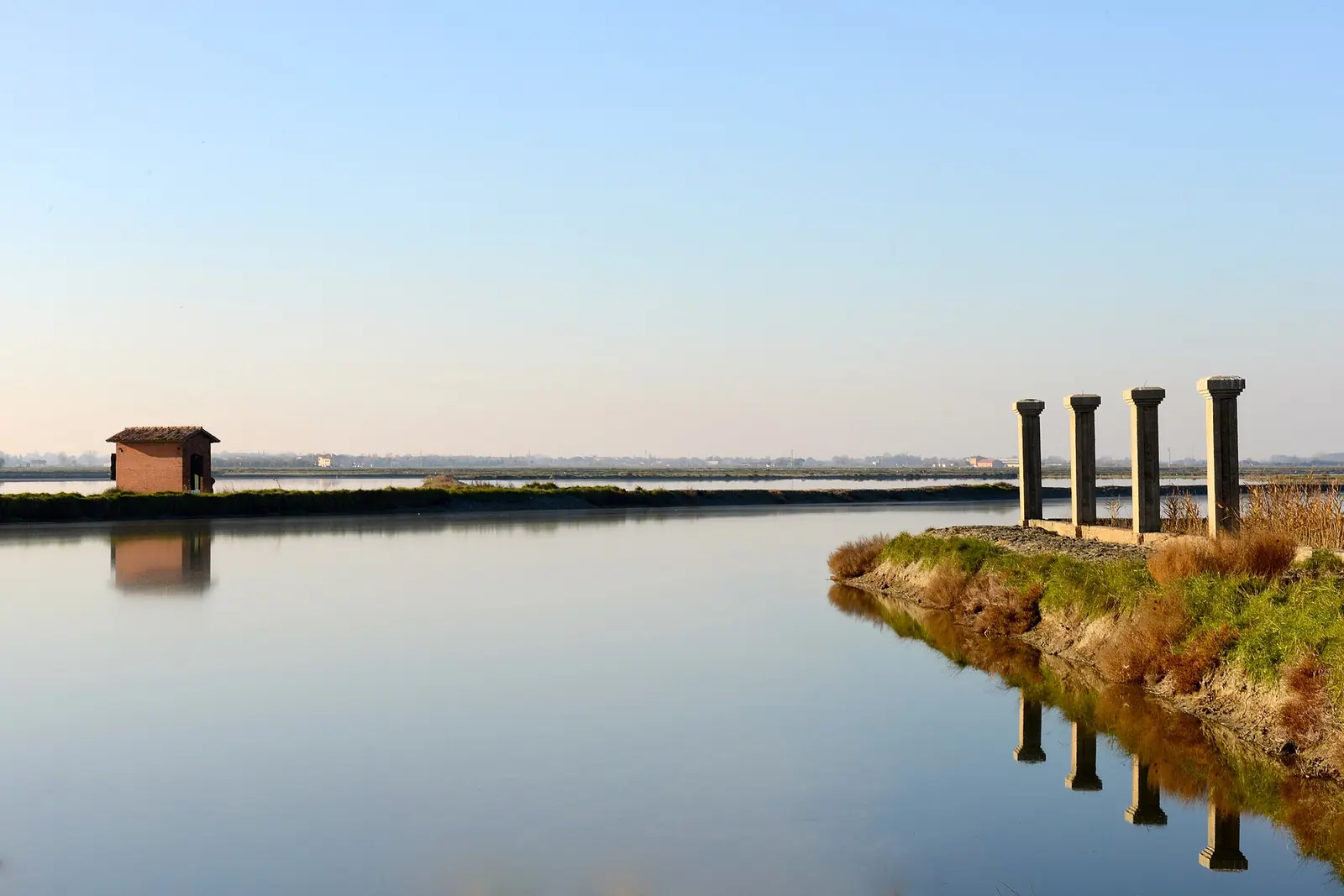
827 hectares, around 1,600 metres from the sea, southern gateway to Parco regionale del Delta del Po
Pinewood
24 hectares between Pinarella and Tagliata, a Riserva Naturale Statale since 1977
Motorway
A14, Ravenna, Cesena Nord or Cesena exits (no motorway exit is named Cervia)
Train
Cervia-Milano Marittima station, at 36 Viale della Stazione, on the Rimini-Ravenna line
Local transport
Start Romagna, route 201 (Milano Marittima, Terme, centre, station, Pinarella, Tagliata) and route 176 for Ravenna
Tourist information
IAT in Torre San Michele, 4 Via Arnaldo Evangelisti; alberghi.it

Sources: Istat (population as at 1 January 2026, area, neighbouring municipalities); Comune di Cervia (statute, articles 2 and 3; tourism portal, “Località”, “Il sale dolce”, “Torre San Michele”, “In auto” pages); RFI (station listing); Start Romagna (winter 2026-27 timetables). Accessed on 2 October 2026.
Things to do

Twenty things to do in Cervia

The main entries, each linking to a detailed guide.

  1. Finding the way around the Quadrilatero

    Cervia's historic centre has a regular layout dating from the town's relocation in the late 17th century. Salt workers' houses also formed the defensive perimeter, while Piazza Garibaldi occupies the heart of the settlement. Porta a Mare is the only surviving gate. The walk also suits the evening, alongside activities in the centre.

  2. A stop between the town hall and cathedral

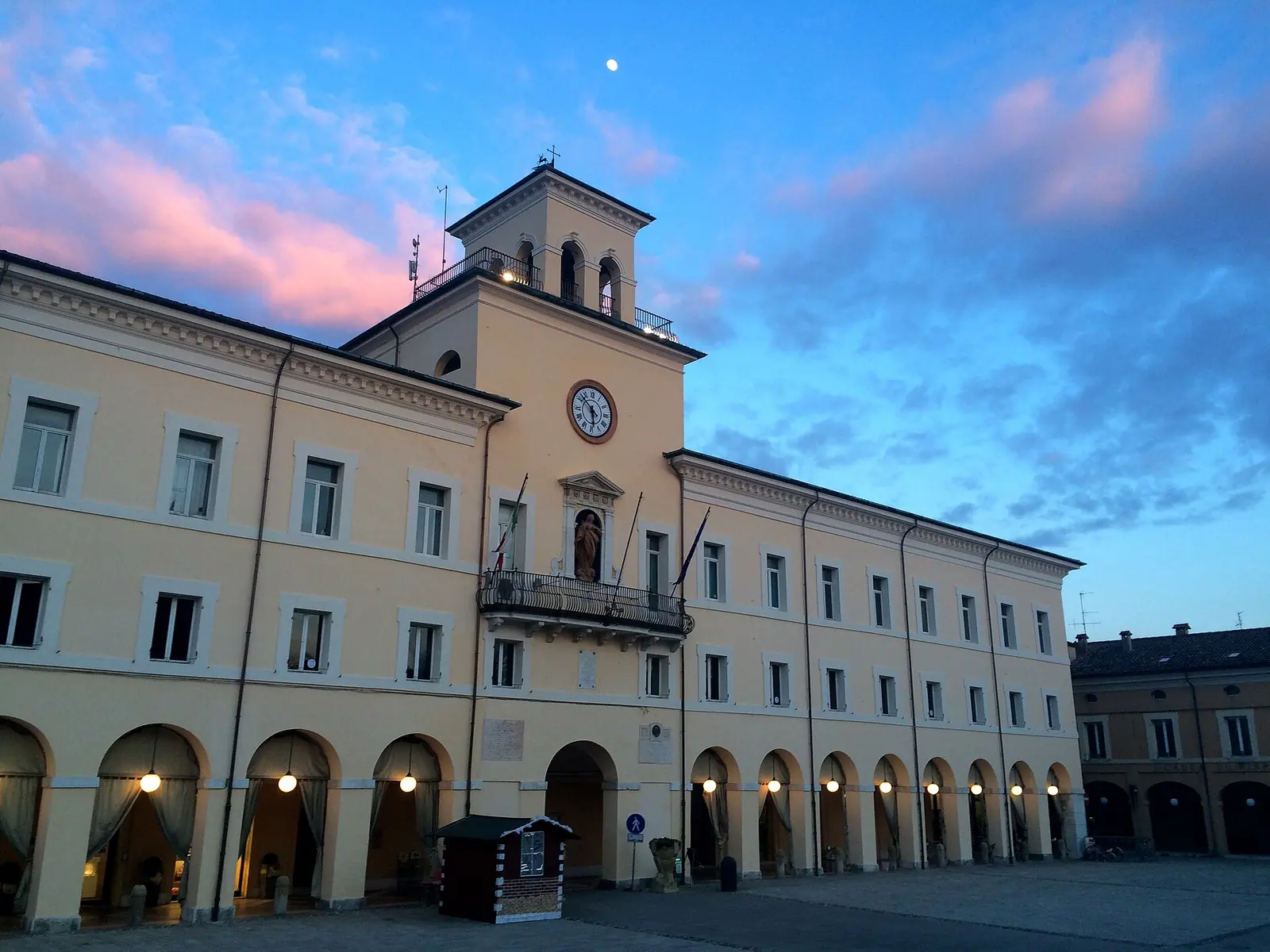
    Piazza Garibaldi places Palazzo comunale opposite Cattedrale di Santa Maria Assunta. These are the new town's two focal points, built in the early 18th century. Arcades, clock tower and bell tower help explain the square before the route enters the Quadrilatero streets. Events from the town's calendar also take place here.

    Palazzo comunale in Cervia with its arcade, clock tower and the pink sky at dusk
    Photo by Zitumassin, Wikimedia Commons, CC BY-SA 4.0
  3. Reading the old units on the measuring stone

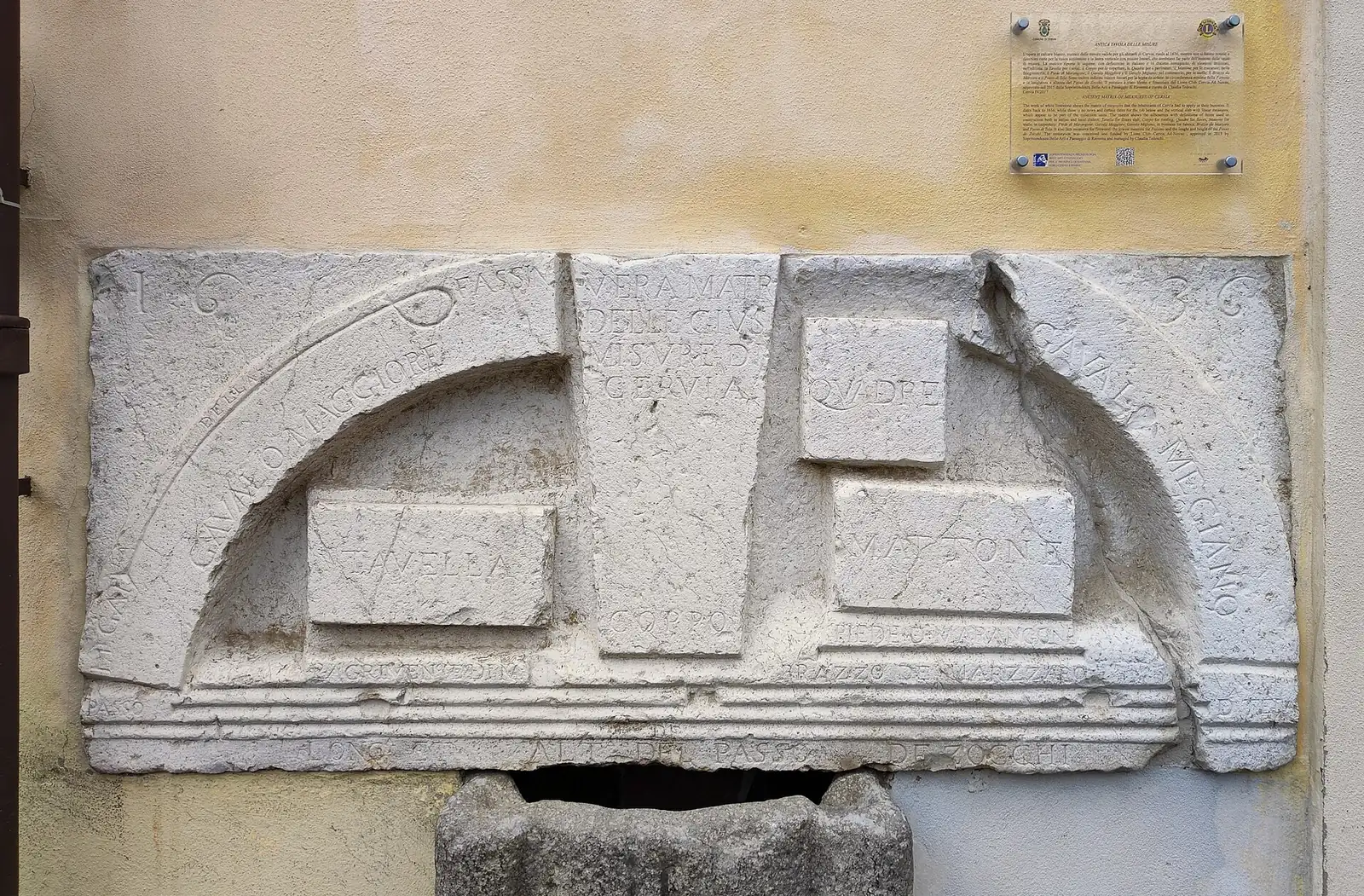
    Behind the town hall, towards Piazza Pisacane, the measuring stone preserves a tangible reference to trade in Cervia Vecchia. The 1636 monolith records measures for fabrics and materials that residents and outsiders had to follow, with Italian and Romagna names. It comes from Cervia Vecchia and was brought to the rebuilt centre near the sea.

    The measuring stone in Cervia, a white limestone slab with engraved units of measurement, set into a yellow wall
    Photo by Terragio67, Wikimedia Commons, CC BY-SA 4.0
  4. Following salt along the canal harbour

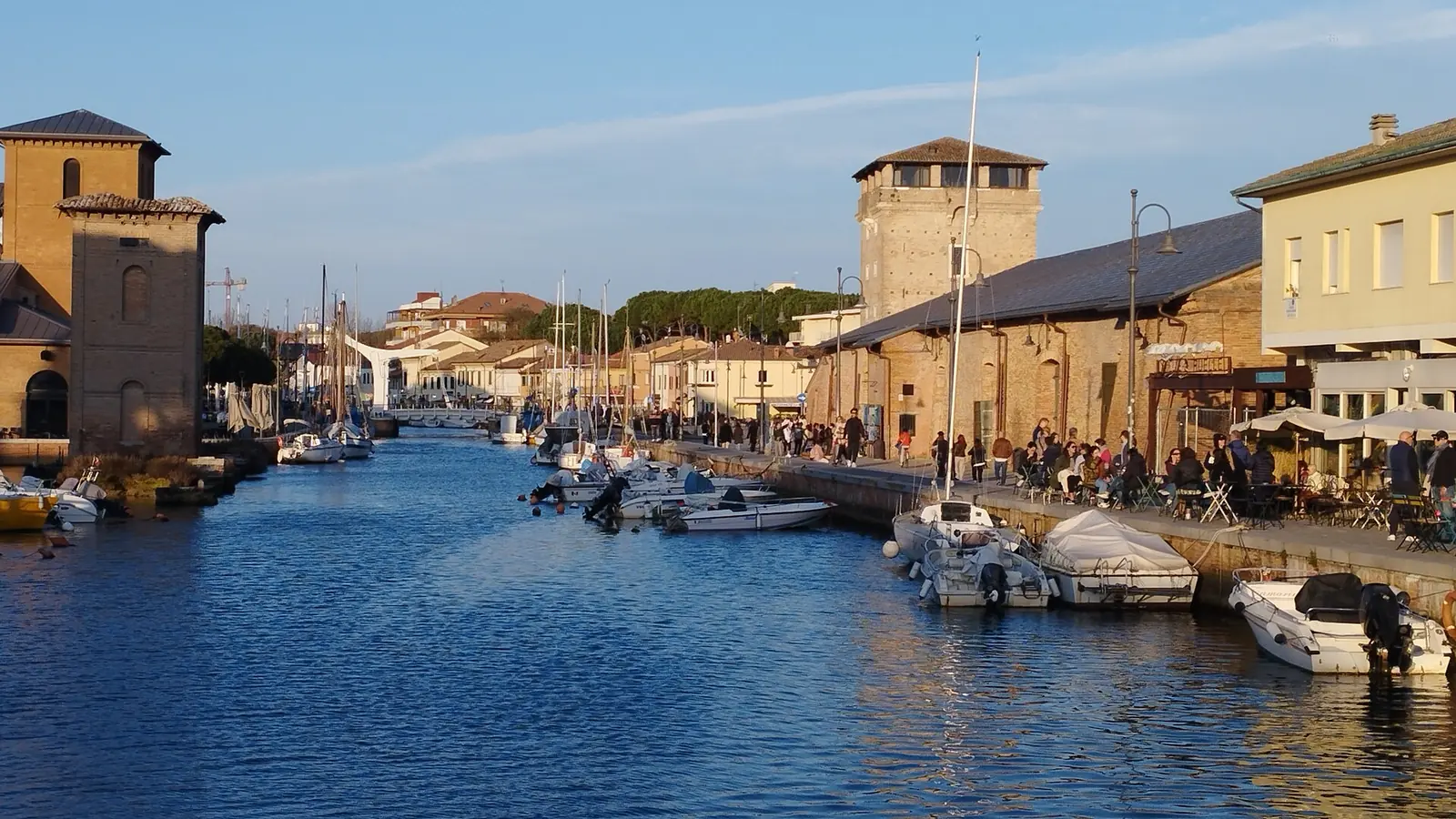
    Magazzini del Sale occupy both banks of the canal. They stored and transported the product that sustained the town's economy; today the complex houses the museum and cultural activities. The route between buildings and quays links the history of salt workers with that of boats.

    Cervia canal harbour with the two Magazzini del Sale on its banks and boats moored in the water
    Photo by Isotta V., Wikimedia Commons, CC BY-SA 4.0
  5. Starting from Torre San Michele

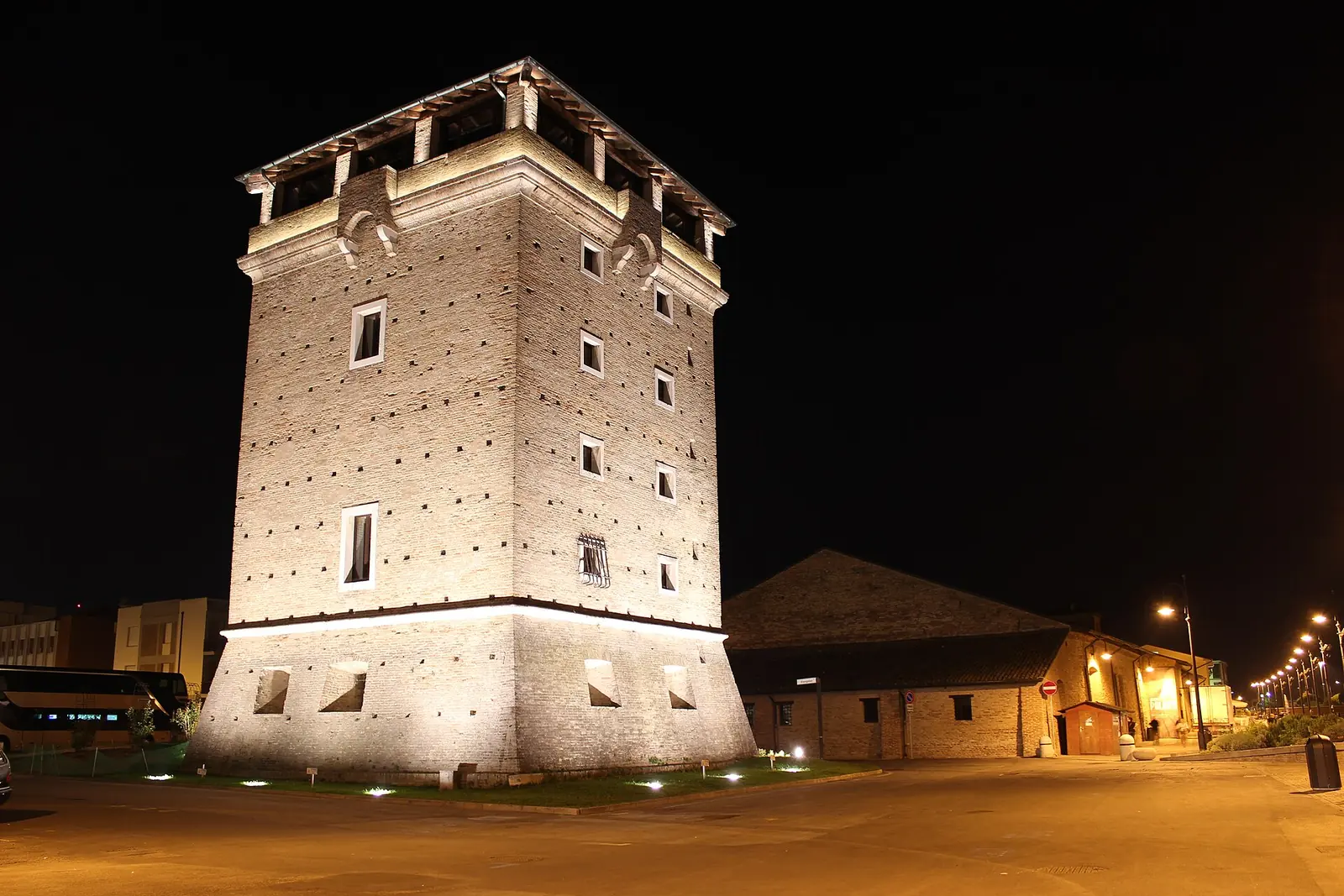
    Torre San Michele protected the town and stores against attacks from the sea. The square brick building, erected in the late 17th century, now houses the tourist office. The CerviaSale and CerviaMare cycle routes also start here.

    Torre San Michele in Cervia illuminated at night, with its brick walls and the salt warehouse beside it
    Photo by P.brigadeci, Wikimedia Commons, CC BY-SA 3.0
  6. Viewing the Tappeto sospeso mosaic

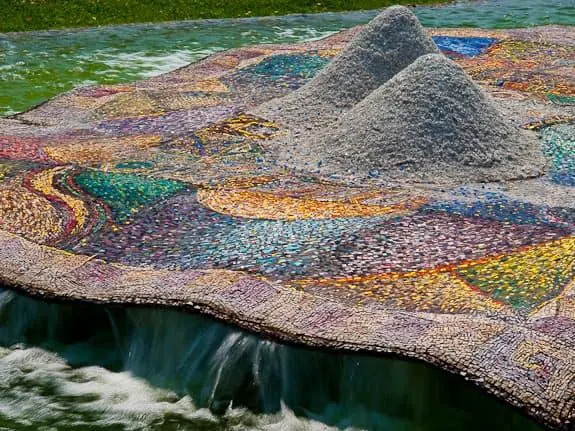
    In Piazzale dei Salinari, the Il Tappeto sospeso fountain translates salt into an image: a carpet of mosaic pieces, pale mounds and water jets. It was conceived by Tonino Guerra and created by Marco and Dusciana Bravura in 1997. Its position opposite the warehouses allows it to be included in the same canalside walk.

    The fountain mosaic, with two mounds of marble and crystal salt above the carpet of mosaic pieces and water jets
  7. Understanding the salt workers' craft at MUSA

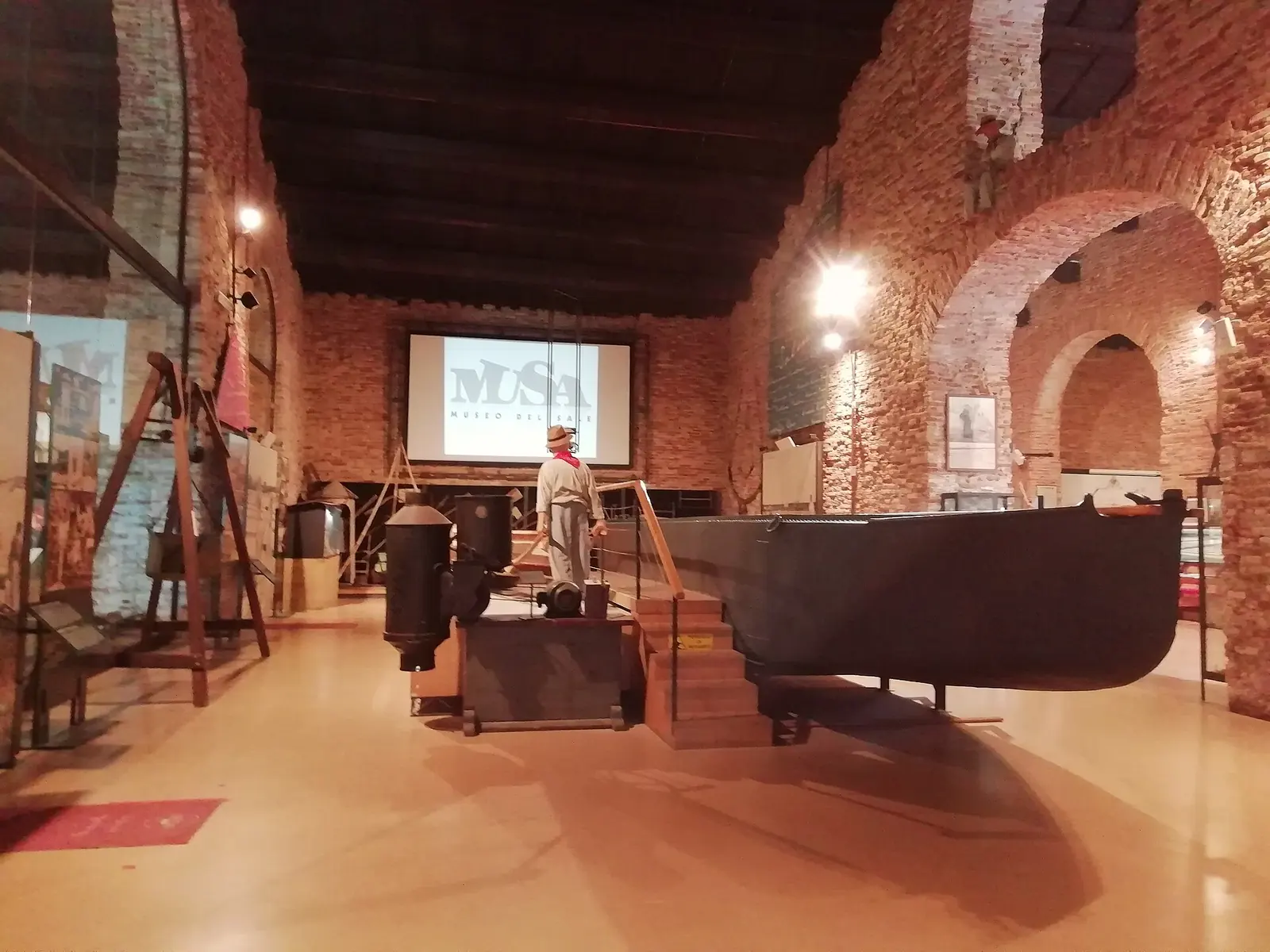
    MUSA, Museo del Sale, is in Magazzino Torre, at 24 Via Nazario Sauro. Tools, images and the burchiella tell the story of salt harvesting and transport. Archaeological finds add the history of earlier settlements. A visit helps identify tools and stages of work before a salt pan excursion.

    A room at MUSA in Cervia with brick vaults, a boat on display and a screen showing the museum logo
    Photo by Patafisik, Wikimedia Commons, CC BY-SA 3.0
  8. Booking a salt pan tour

    The salt pan is a protected area: entry requires an authorised guide. Centro Visite at 61 Via Bova organises walking, cycling and boat routes according to its programme. The salt pans guide explains the environment; Camillone, meanwhile, preserves the traditional manual method, with demonstrations and visits on a separate calendar.

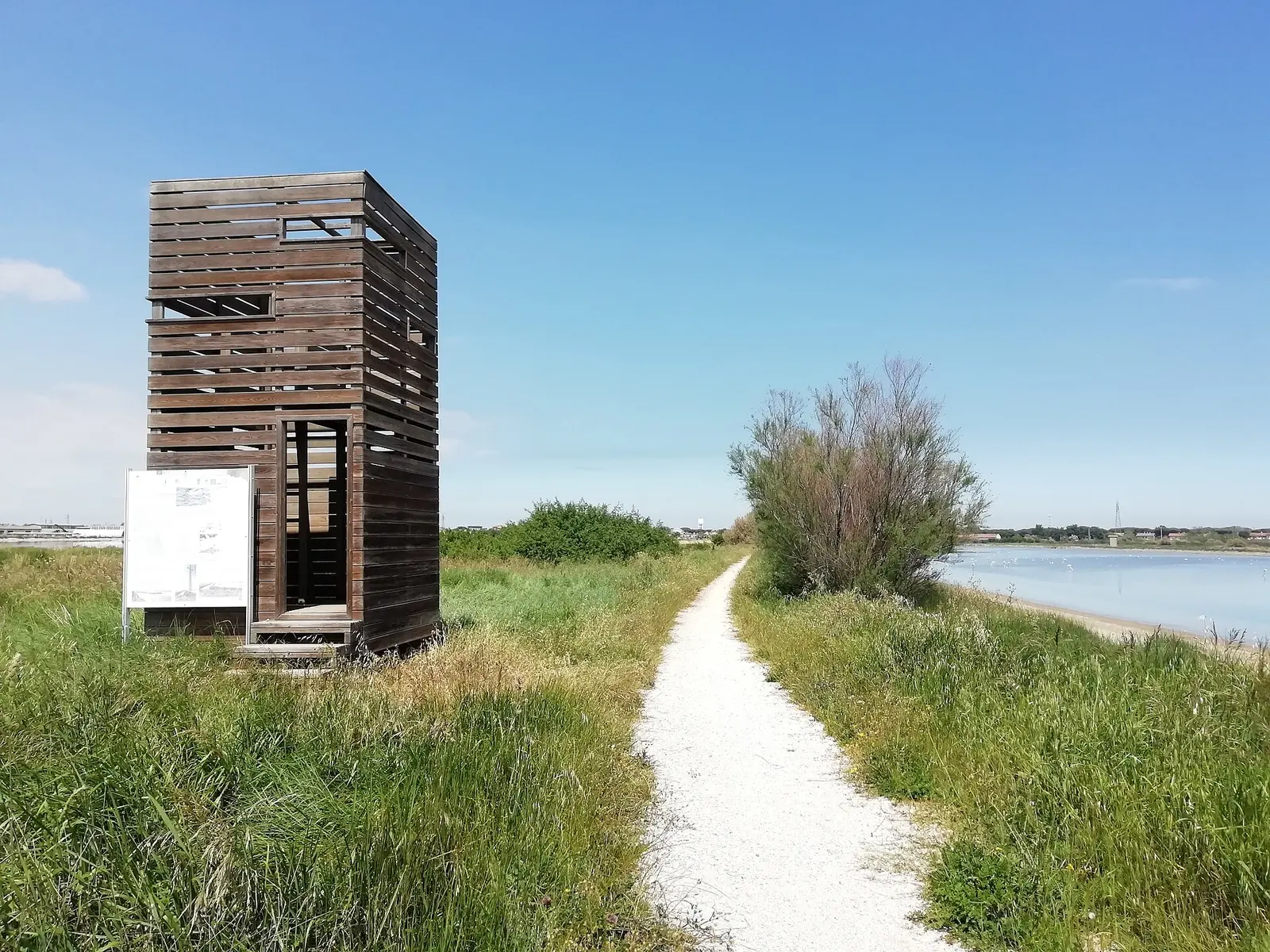
    A white path through the grass leads to a wooden observation tower at the edge of the Cervia salt pan
    Photo by Patafisik, Wikimedia Commons, CC BY-SA 3.0
  9. Rediscovering the trade at Sapore di Sale

    Sapore di Sale brings together historic centre, warehouses and canal harbour in a festival devoted to salt production. The burchiella towed along the banks recalls the product's transport from salt pan to town. Recent editions took place in early September; dates and programmes are in events in Cervia.

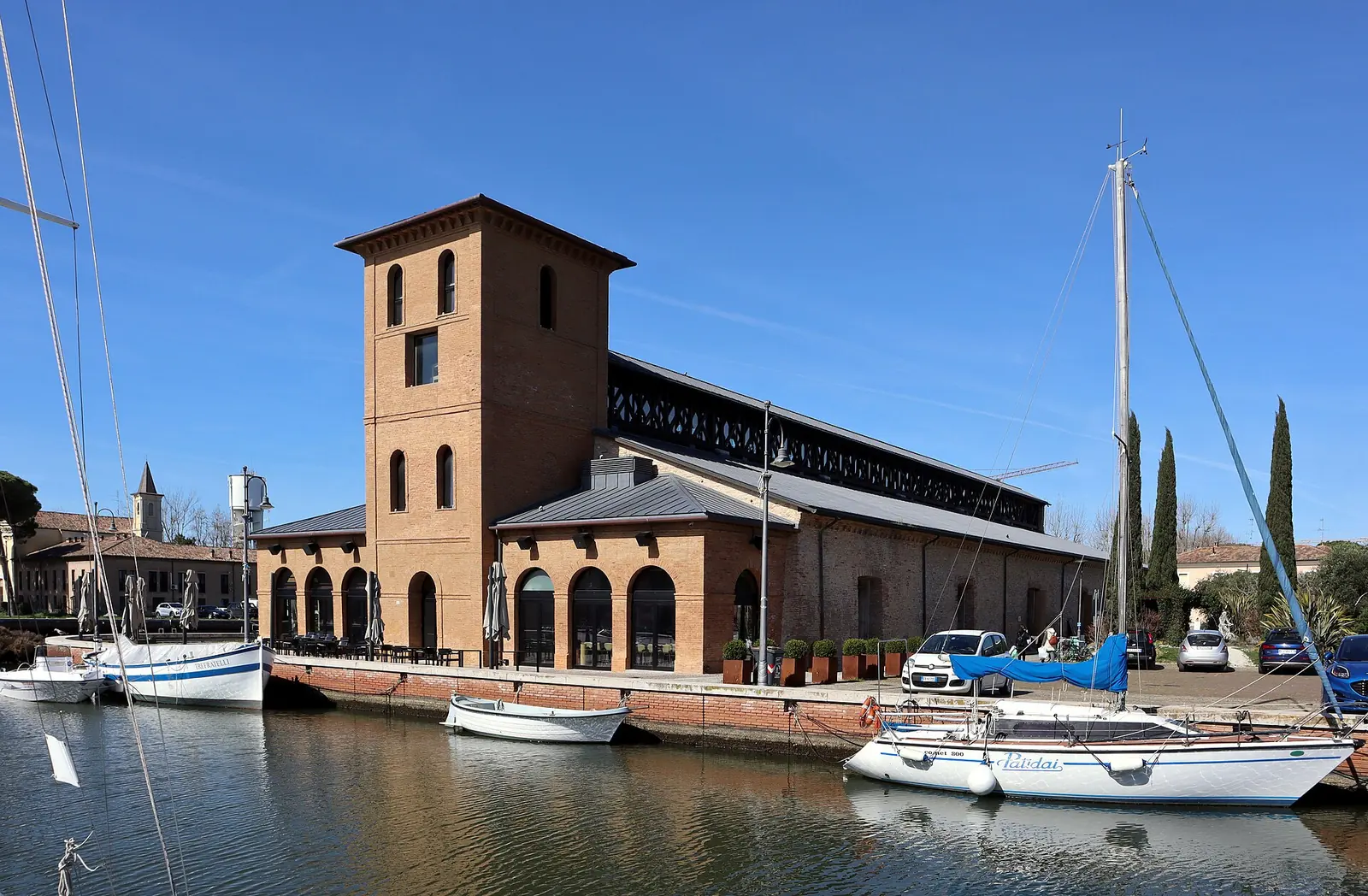
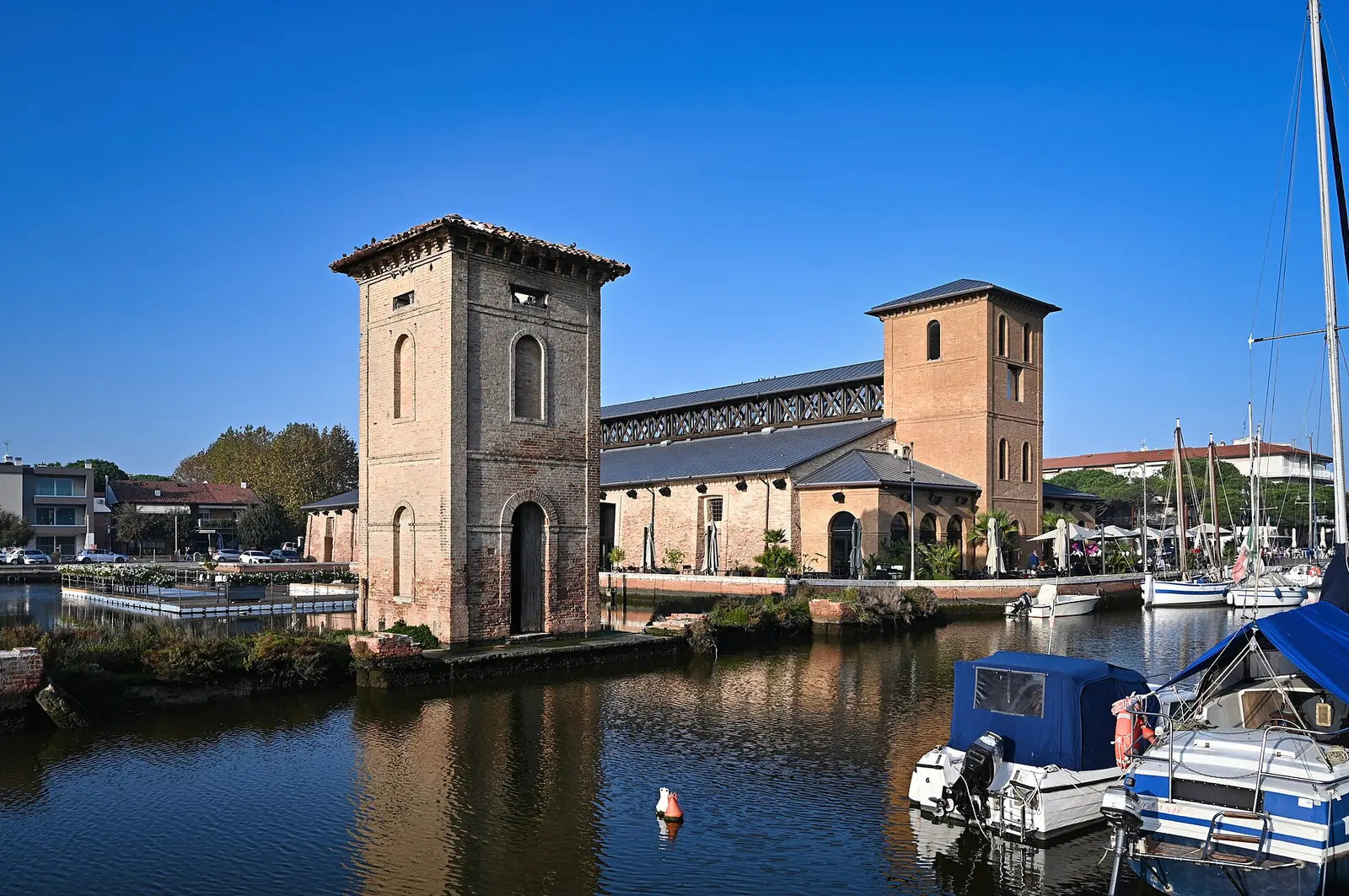
    The brick Magazzino del Sale Darsena in Cervia, with the tower and sailing boats moored in the canal
    Photo by Terragio67, Wikimedia Commons, CC BY-SA 4.0
  10. Walking through Borgo Marina to the lighthouse

    Borgo Marina extends along the canal harbour, preserving the history of fishing families who arrived from the northern Adriatic in the 19th century. Towards the sea stands the brick lighthouse, which can be viewed from outside. Boats and quays offer a route different from the Quadrilatero. The walk continues towards the Cervia coast.

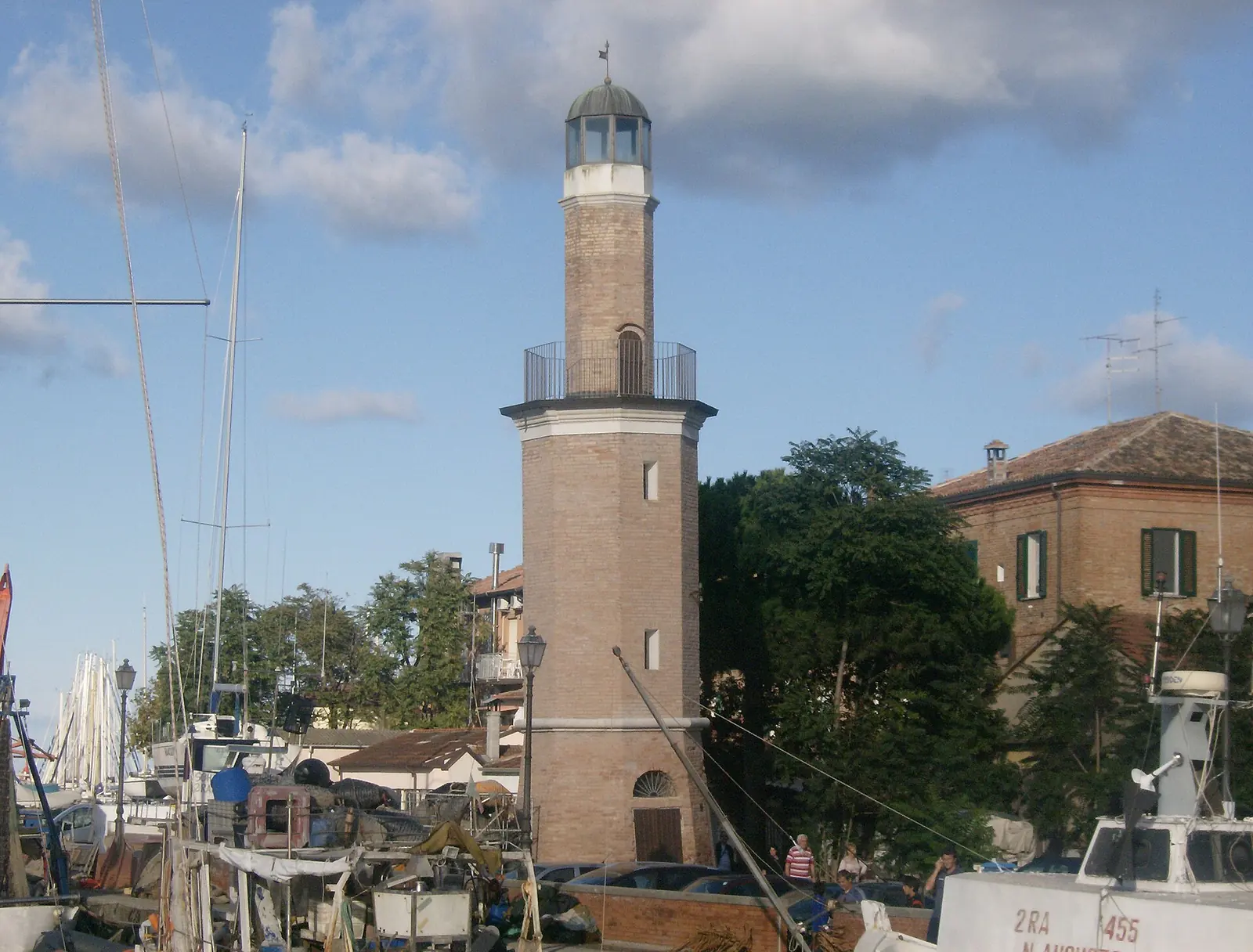
    The brick lighthouse at Cervia canal harbour, with fishing boats moored at its foot
    Photo by Swiss79, Wikimedia Commons, Public domain
  11. Choosing Cervia, Pinarella or Tagliata for the beach

    South of the harbour, the beach continues from Cervia to Pinarella and Tagliata. The clearest difference is its relationship with greenery: in Pinarella and Tagliata, the pinewood runs behind the sand. The beach guide helps with choosing an area; the free beaches guide distinguishes access without a concession parasol and the services available.

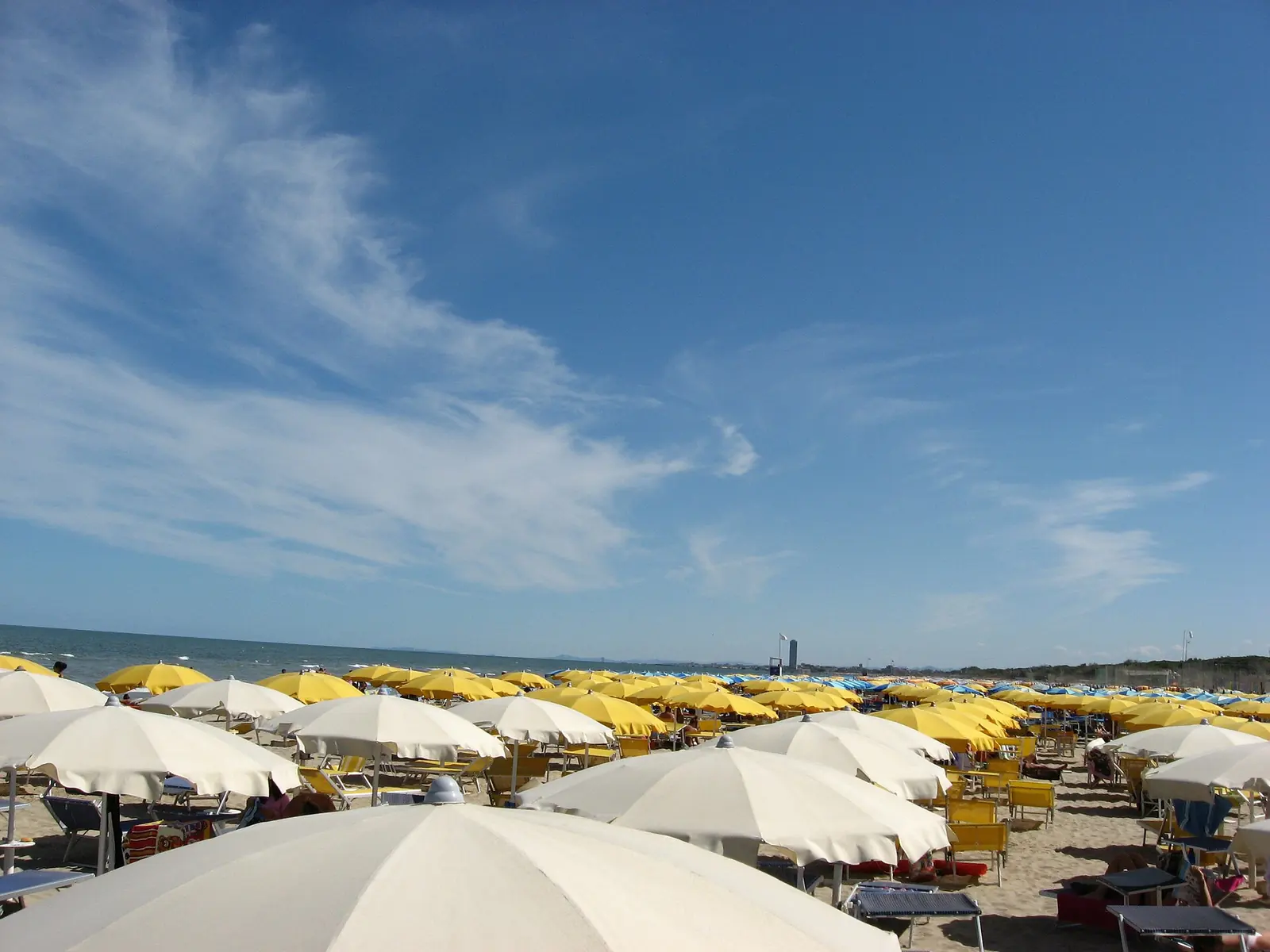
    White and yellow parasols on Cervia beach, with the sea in the background
    Photo by Nicola Tondini, Wikimedia Commons, CC BY-SA 3.0
  12. A walk through the Pinarella and Tagliata pinewood

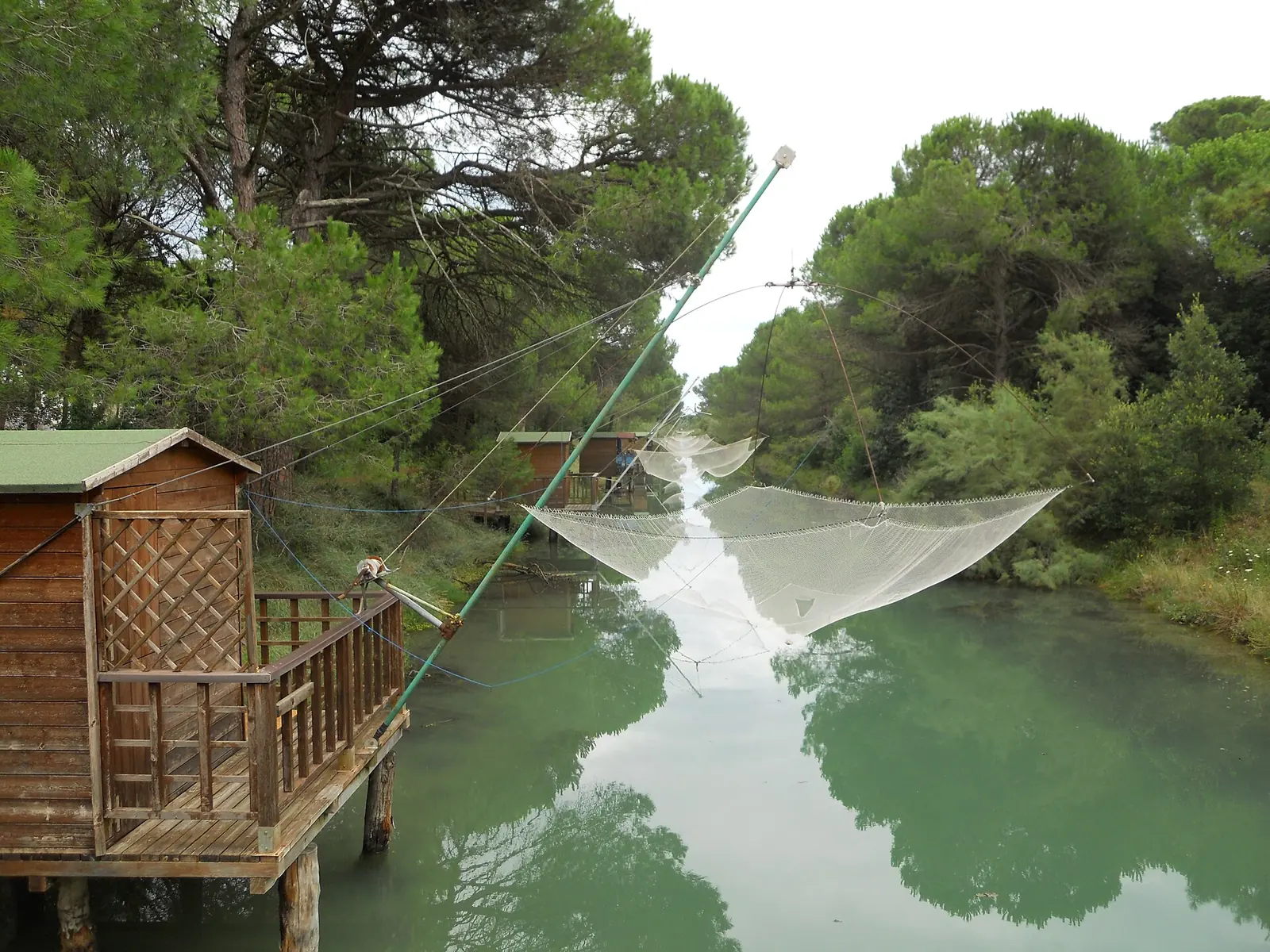
    The belt of pines between the built-up area and beach covers around 24 hectares and is a Riserva Naturale Statale. Parco Lento offers themed areas designed for play and contact with nature; walks in the reserve follow marked paths. Other ideas are in the Cervia with children guide.

    A channel in the Cervia pinewood, with a wooden hut on stilts and a fishing net suspended over the water
    Photo by Pmk58, Wikimedia Commons, CC BY-SA 4.0
  13. Planning a day with butterflies and treetop courses

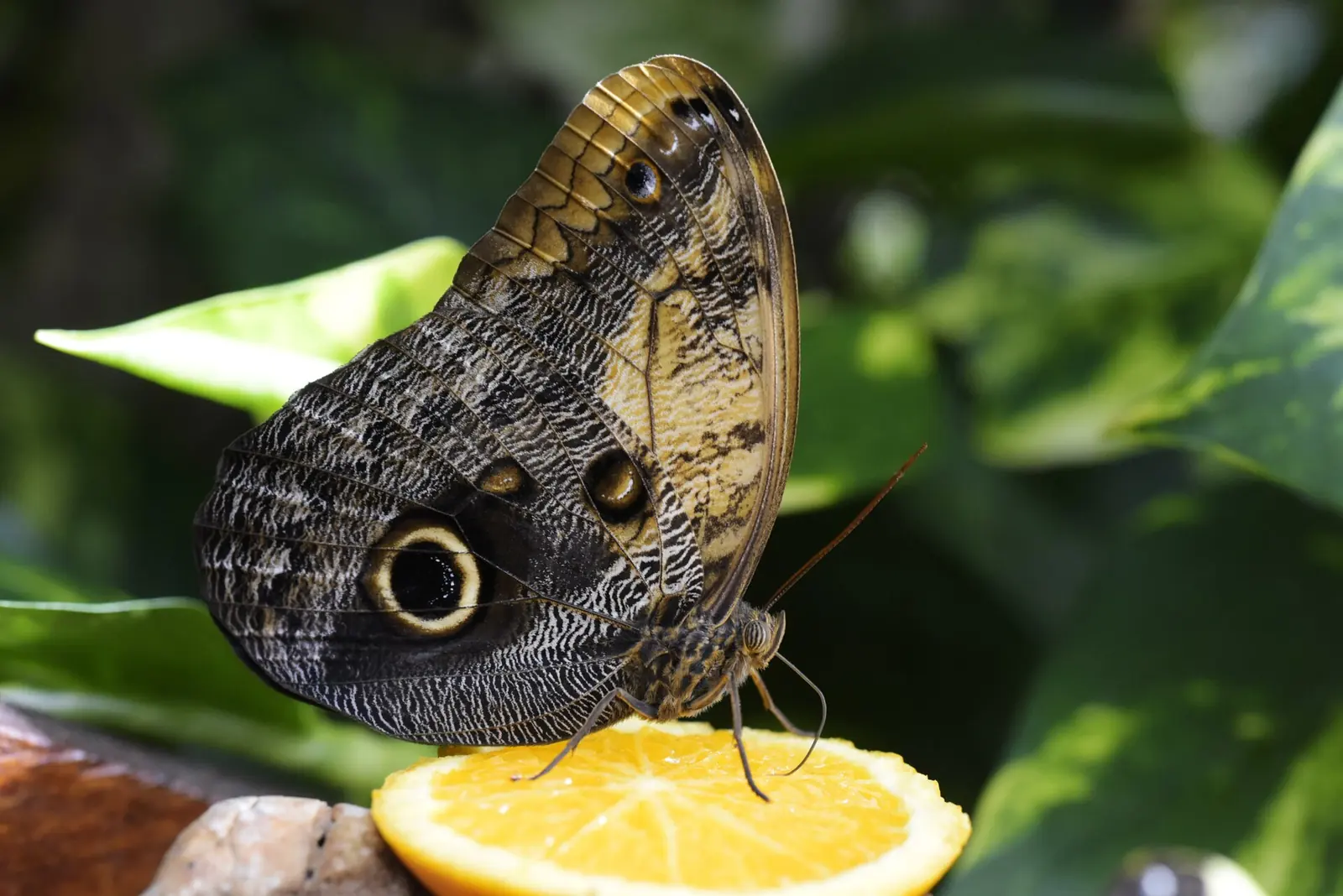
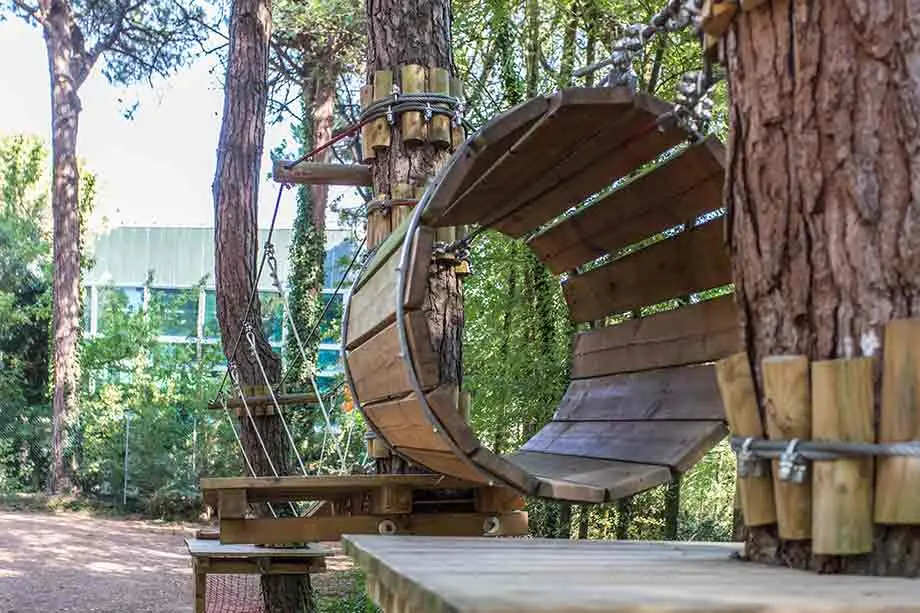
    Casa delle Farfalle offers a tropical greenhouse and spaces devoted to insects. CerviAvventura, meanwhile, offers suspended courses in Parco Naturale. The two activities also differ in age range and participation requirements, and both have seasonal opening times shown in their listings.

    A butterfly with brown wings and large eyespots, resting on an orange slice among leaves
    Photo by Fangel, Wikimedia Commons, CC BY 3.0
  14. Considering the Terme as part of a stay

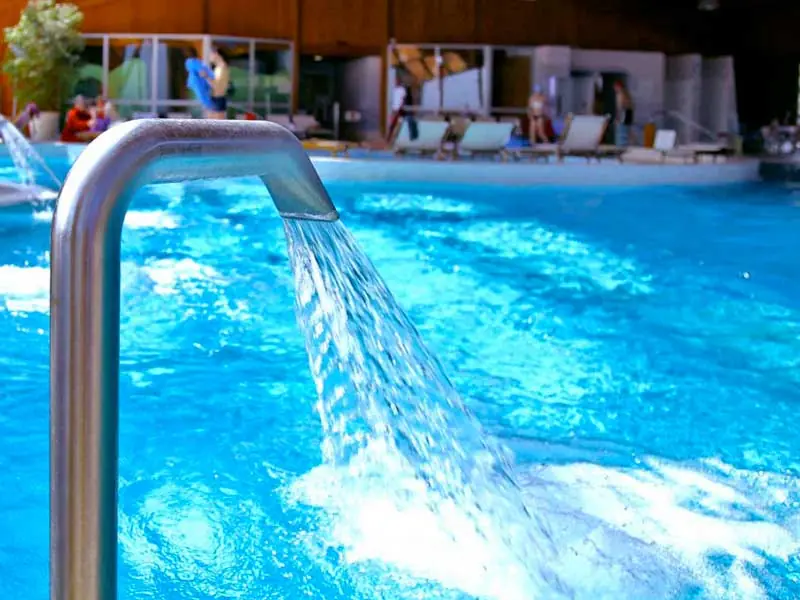
    Terme di Cervia is at 16 Via Forlanini, in the pinewood area. It uses mother liquor and salt pan mud for thermal spa services and also offers water facilities, with its own opening season described in the listing.

  15. Following a route towards Pisignano and the Savio

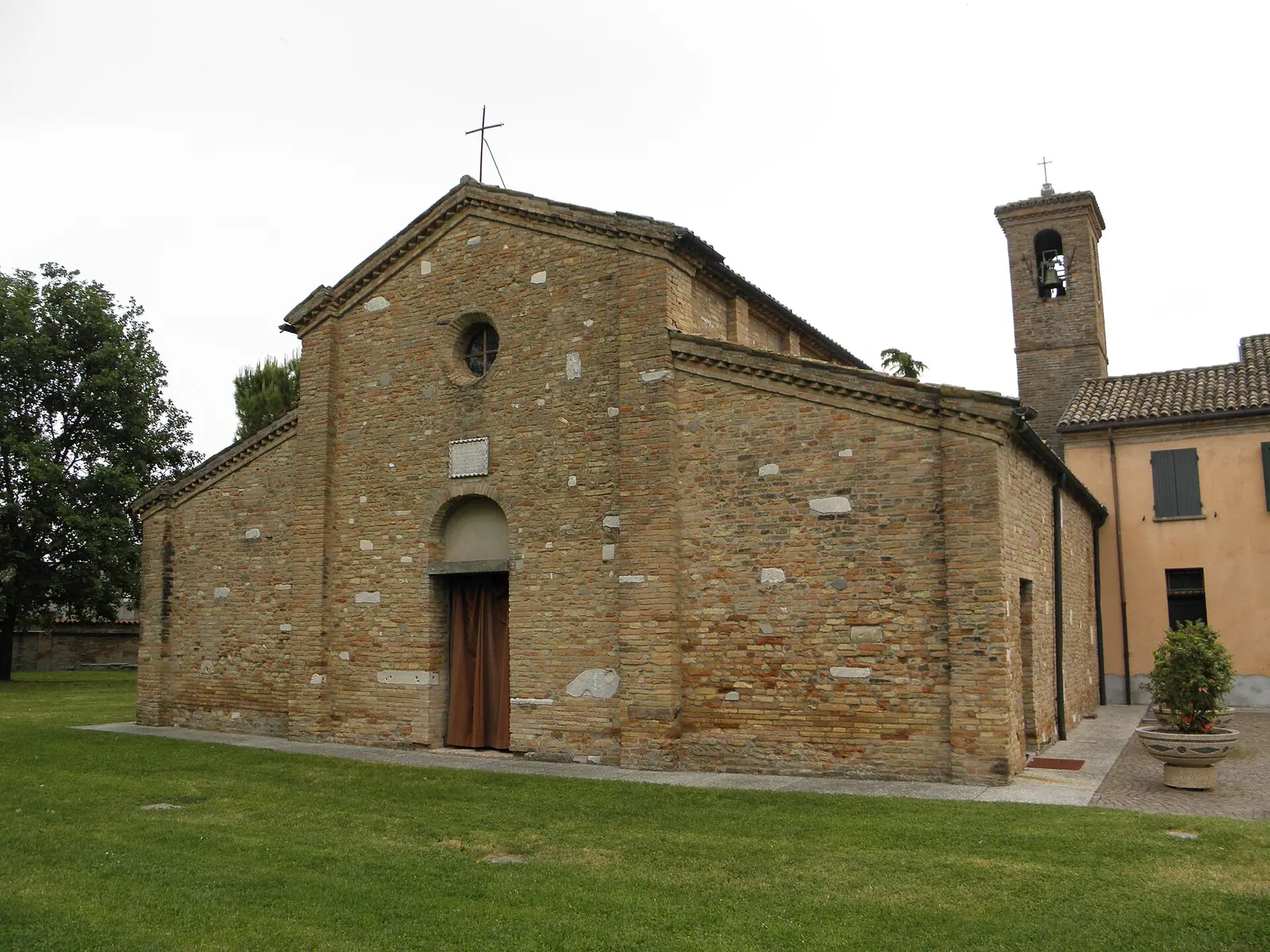
    Pieve di Santo Stefano in Pisignano takes the visit into the hinterland, with a history documented since the Middle Ages and frescoes in the apse. The Cannuzzo and Castiglione area, meanwhile, offers routes along the Savio and green spaces. The excursions guide describes routes and connections.

    The brick and stone façade of the Romanesque Pieve di Santo Stefano in Pisignano, with the bell tower on the right
    Photo by Threecharlie, Wikimedia Commons, CC BY-SA 4.0
  16. Combining pinewoods and countryside by bicycle

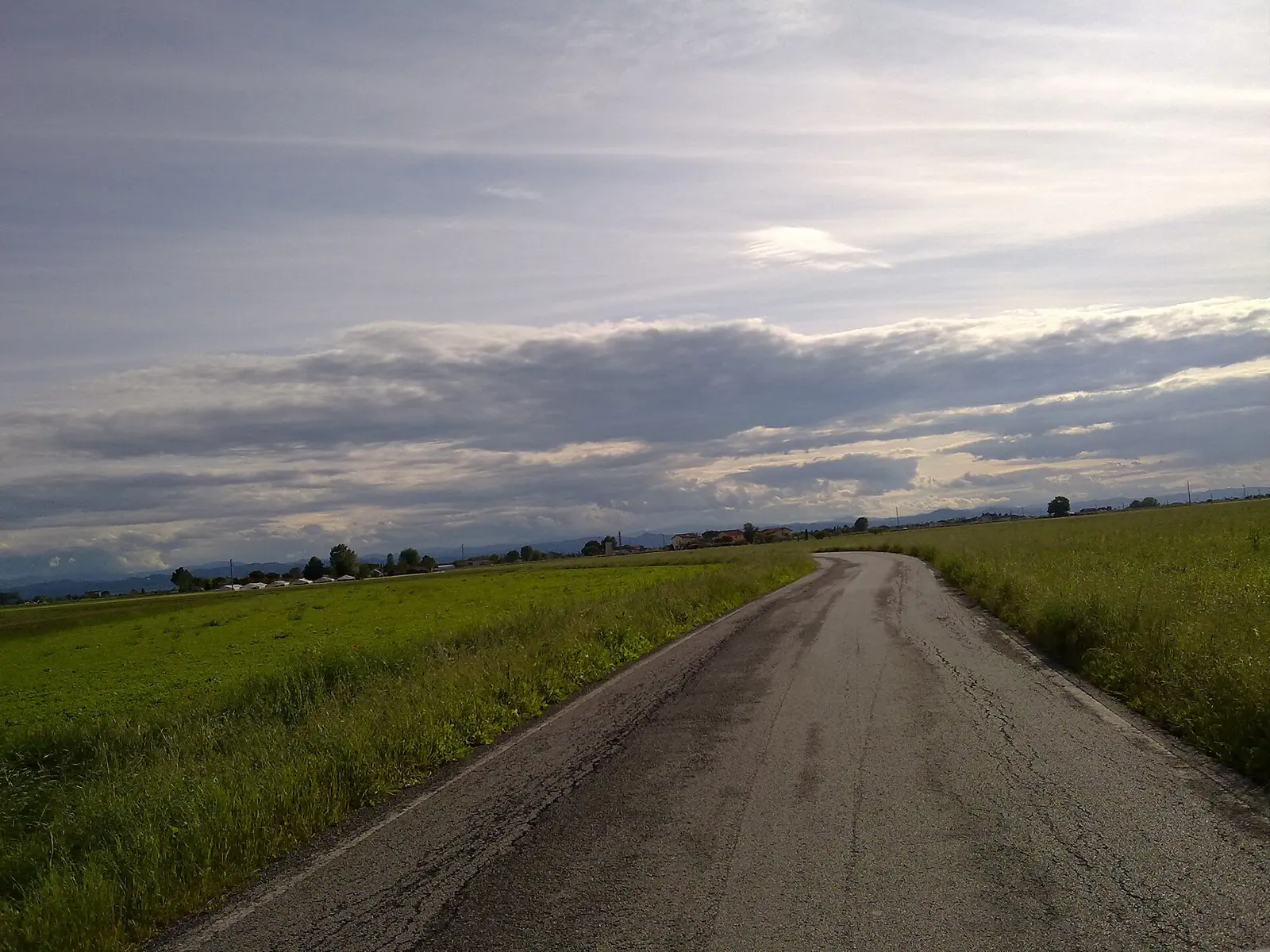
    The CerviaSale and CerviaMare routes start at Torre San Michele, while other itineraries cross pinewoods and countryside. Ciclovia Adriatica places Cervia within a longer coastal link. The sport guide explores local routes and activities.

    A paved road through green fields near Tagliata, beneath a cloudy sky
    Photo by piero drago, Wikimedia Commons, CC BY-SA 3.0
  17. A day in Ravenna

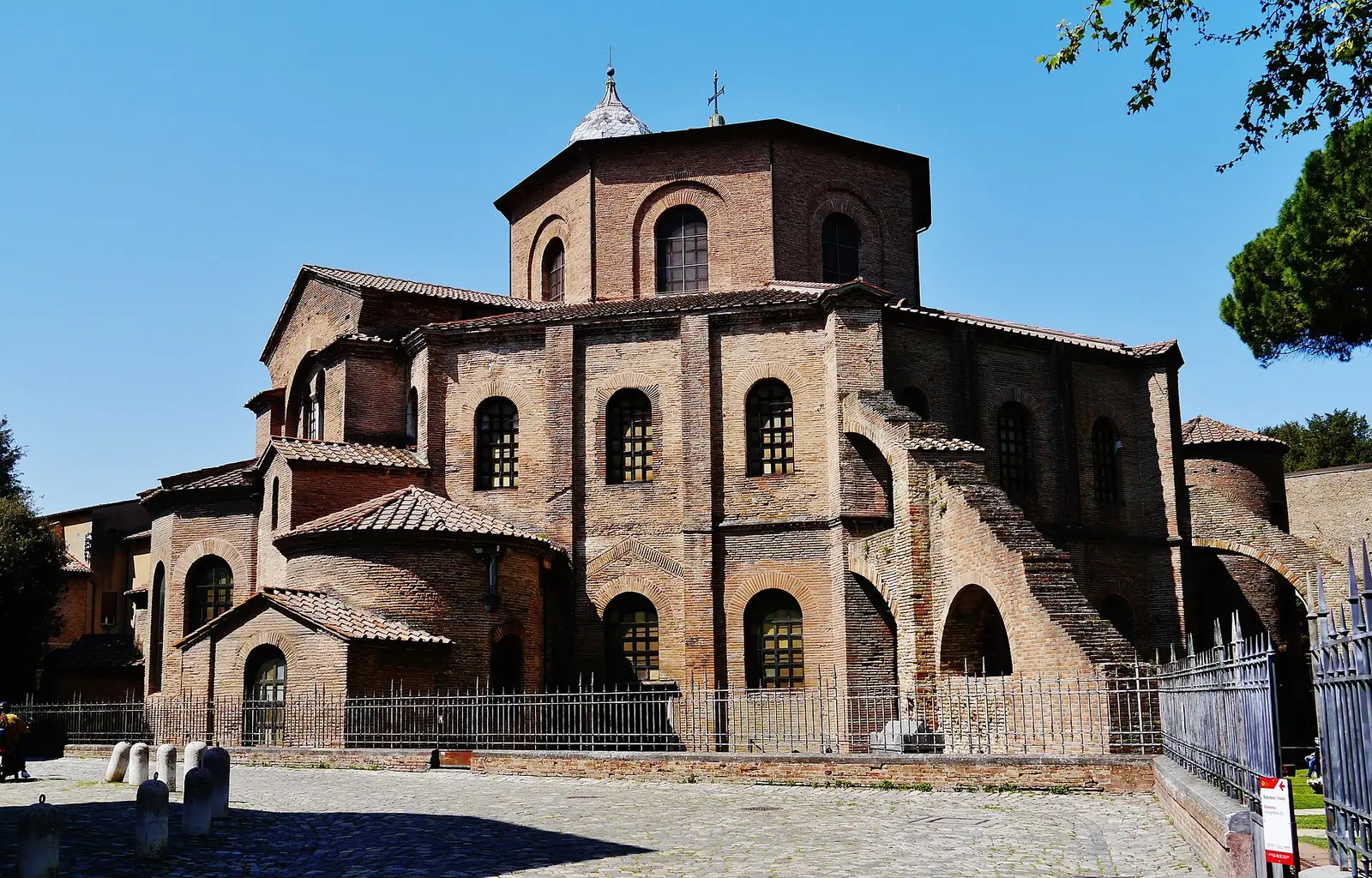
    From Cervia, Ravenna is accessible by train on the coastal line or by the bus services scheduled for the day of travel. The eight early Christian monuments inscribed on the World Heritage List warrant a separate visit, allowing time for entry and travel around the centre. The Ravenna guide explores the stops.

    The octagonal brick exterior of Basilica di San Vitale in Ravenna, behind railings
    Photo by Zairon, Wikimedia Commons, CC BY-SA 4.0
  18. Watching the Sposalizio del Mare ceremony

    Sposalizio del Mare combines a procession, religious celebration and boat trip with the casting of a ring. The tradition recalls Bishop Pietro Barbo and the town's relationship with the Adriatic. The event follows Ascension, in May or early June.

  19. Looking for the Cervia Città Giardino displays

    Cervia Città Giardino brings flowerbeds and floral displays into public spaces in Cervia, Milano Marittima, Pinarella and Tagliata. Established in 1972 as Maggio in Fiore, it is a dispersed exhibition to include in walks between the resorts. Designs change with each edition; the displays are mainly visible in spring and summer.

  20. Trying sweet salt and winter cardoons

    The name sale dolce describes the character of Cervia salt, linked to its low content of bitter salts: it does not mean sugar. The area also offers the cardo gobbo of Pinarella, grown in sandy soils and harvested in winter. The Cervia food guide pairs them with fresh pasta, piadina and Adriatic fish.

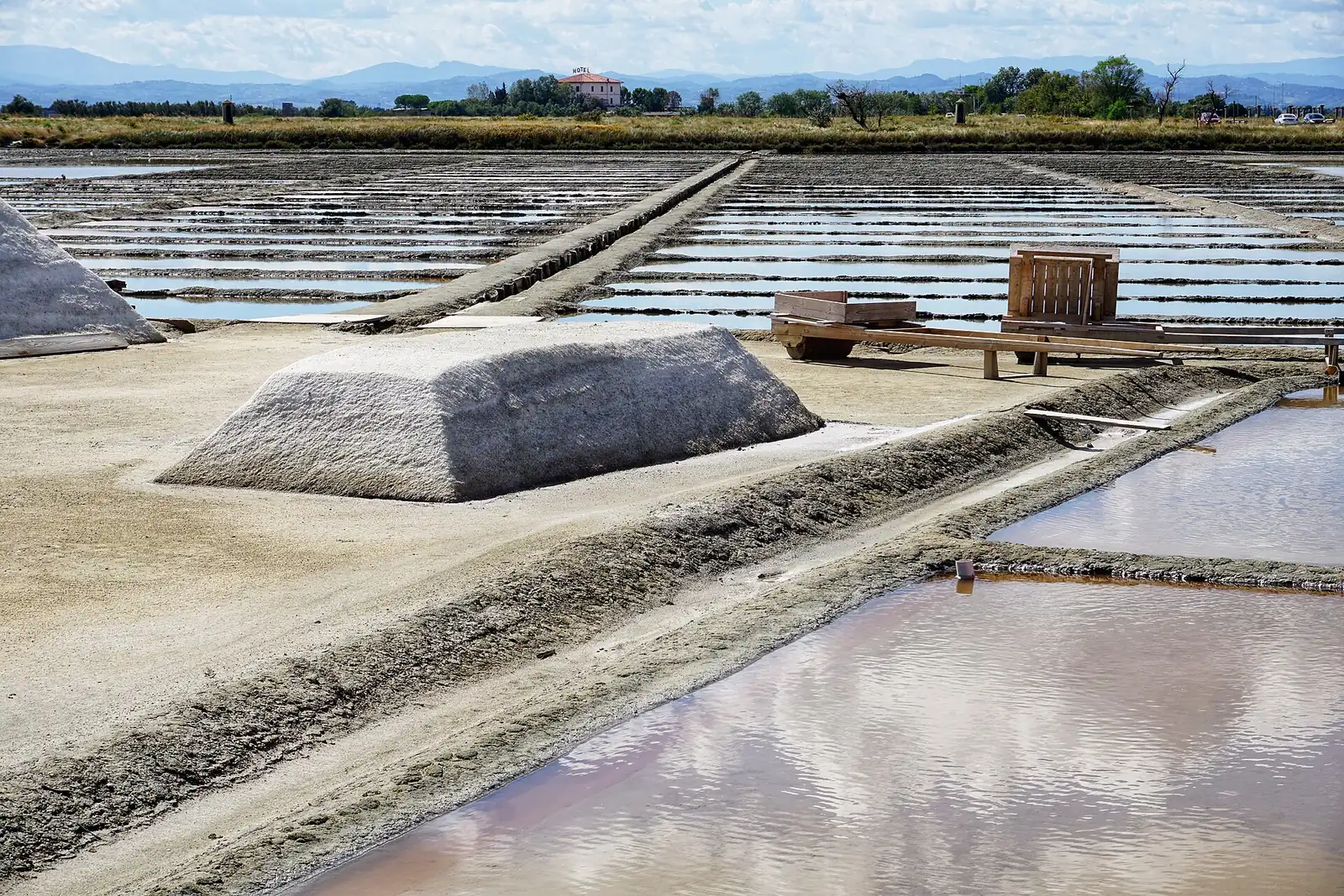
    A basin at Salina Camillone in Cervia with a pyramid-shaped salt mound and water basins behind
    Photo by Giorgio.petri65, Wikimedia Commons, CC BY-SA 4.0

Sources: Comune di Cervia, tourism portal and place listings, including La pietra delle misure; Ministero della Cultura, Catalogo generale; MUSA; Regione Emilia-Romagna, environment and traditional products; Centro Visite Salina; Start Romagna, route 201. Accessed between 2 and 10 October 2026.

Character

What makes Cervia different

In Cervia, salt explains both the landscape and the town's shape. The salt pan lies inland, west of the coast; the canal and warehouses linked production to transport. The present centre dates from the town's relocation in the late 17th century, with the first stone laid in 1698 and a regular layout still evident in the Quadrilatero.

In 1959, the family salt pans were combined into a mechanised harvesting system. Camillone preserves manual work for demonstration purposes. Tourism growth then added a coast with different characters: central Cervia, the garden town of Milano Marittima and the pinewoods of Pinarella and Tagliata. The salt pan remains a productive and protected area.

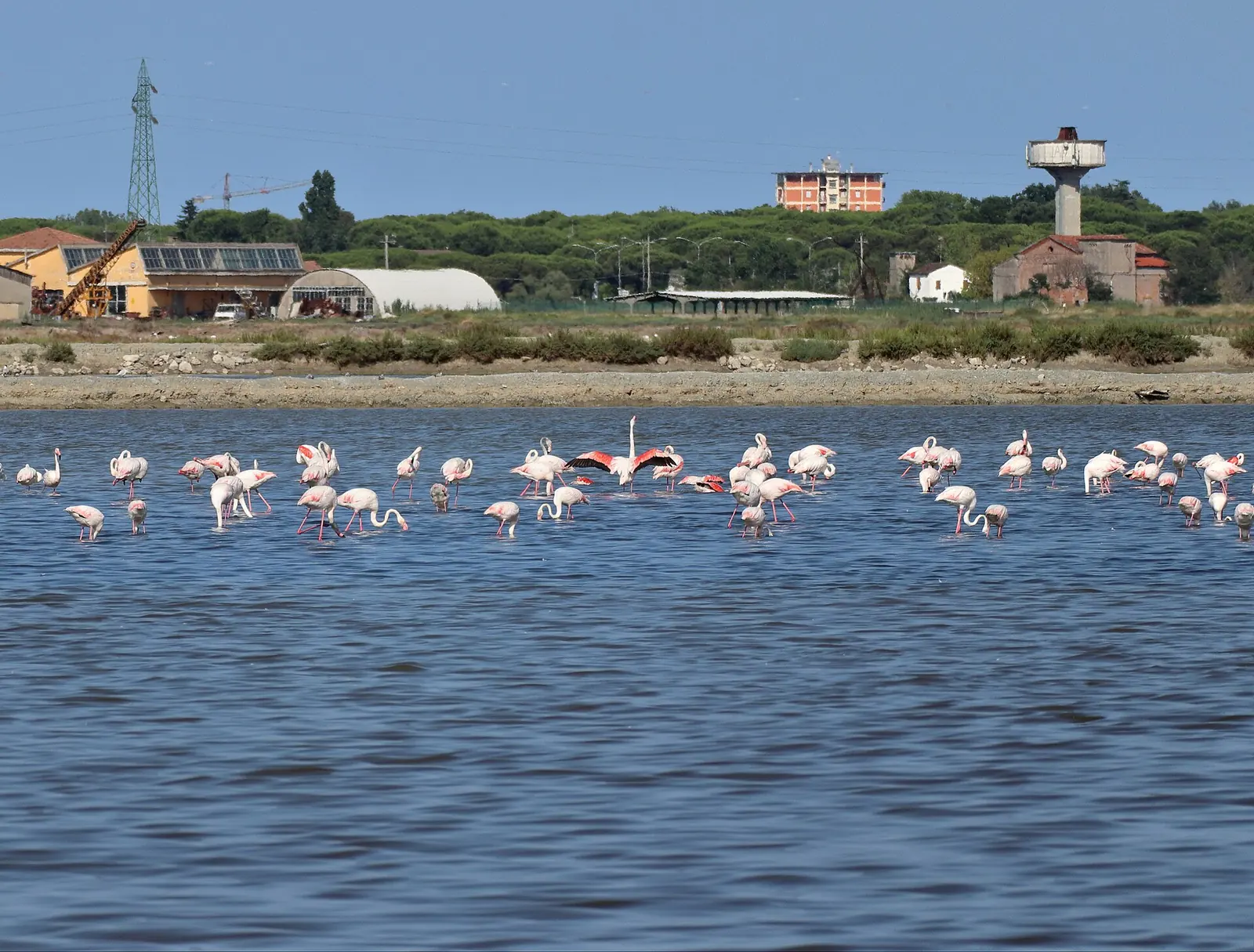
Pink flamingos in a Cervia salt pan basin, with vegetation and some buildings in the background
Photo by Terragio67, Wikimedia Commons, CC BY-SA 4.0

Sources: Comune di Cervia, Quadrilatero, salt pan and history of the resorts. Accessed between 2 and 8 October 2026.

Things to see

Other places to see

The historic centre and harbour bring together the main visits: Cattedrale, measuring stone, Torre San Michele, Magazzini del Sale and MUSA. Other stops extend the route:

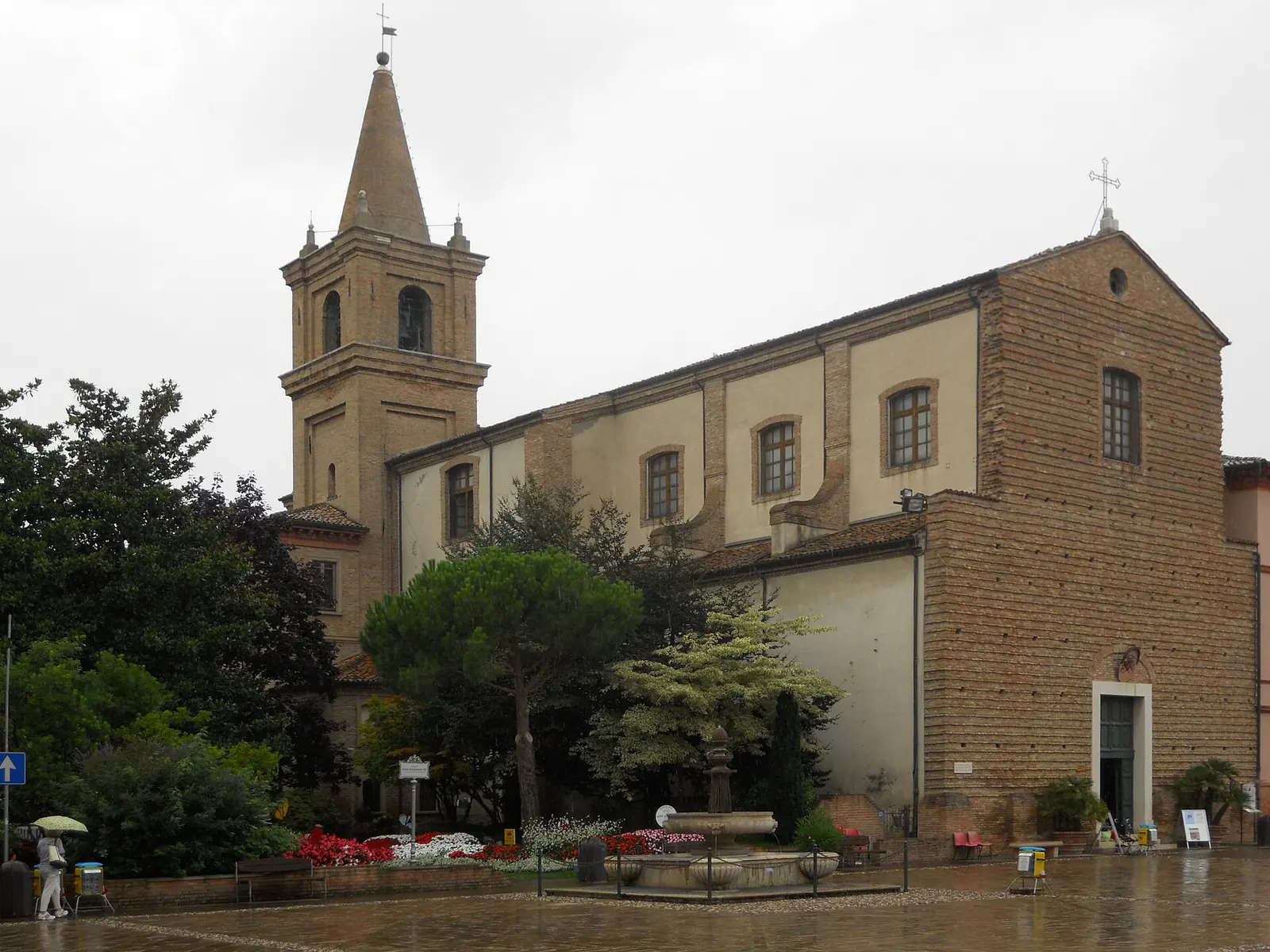
The brick Cattedrale di Santa Maria Assunta in Cervia, with its bell tower and the flowerbeds in the square
Photo by Pmk58, Wikimedia Commons, CC BY-SA 4.0

Porta a Mare

On the side of the Quadrilatero towards Viale Roma.

Teatro comunale Walter Chiari

The theatre on Via XX Settembre preserves its 19th-century curtain by Giovanni Canepa.

Faro del Borgo Marina

The brick lighthouse marks the canal harbour exit towards the sea and can be viewed from outside.

Pieve di Santo Stefano in Pisignano

The Romanesque church at 12 Via Crociarone is a hinterland stop, with frescoes in the apse.

Santuario della Madonna degli Angeli in Cannuzzo

The sanctuary at 172 Via Salara has a single-nave 17th-century building. It houses a 16th-century fresco of the Madonna surrounded by angels, the main reason to visit.

Sources: Comune di Cervia, tourism portal listings and Santuario della Madonna degli Angeli. Accessed between 2 and 10 October 2026.

The sea

The beach

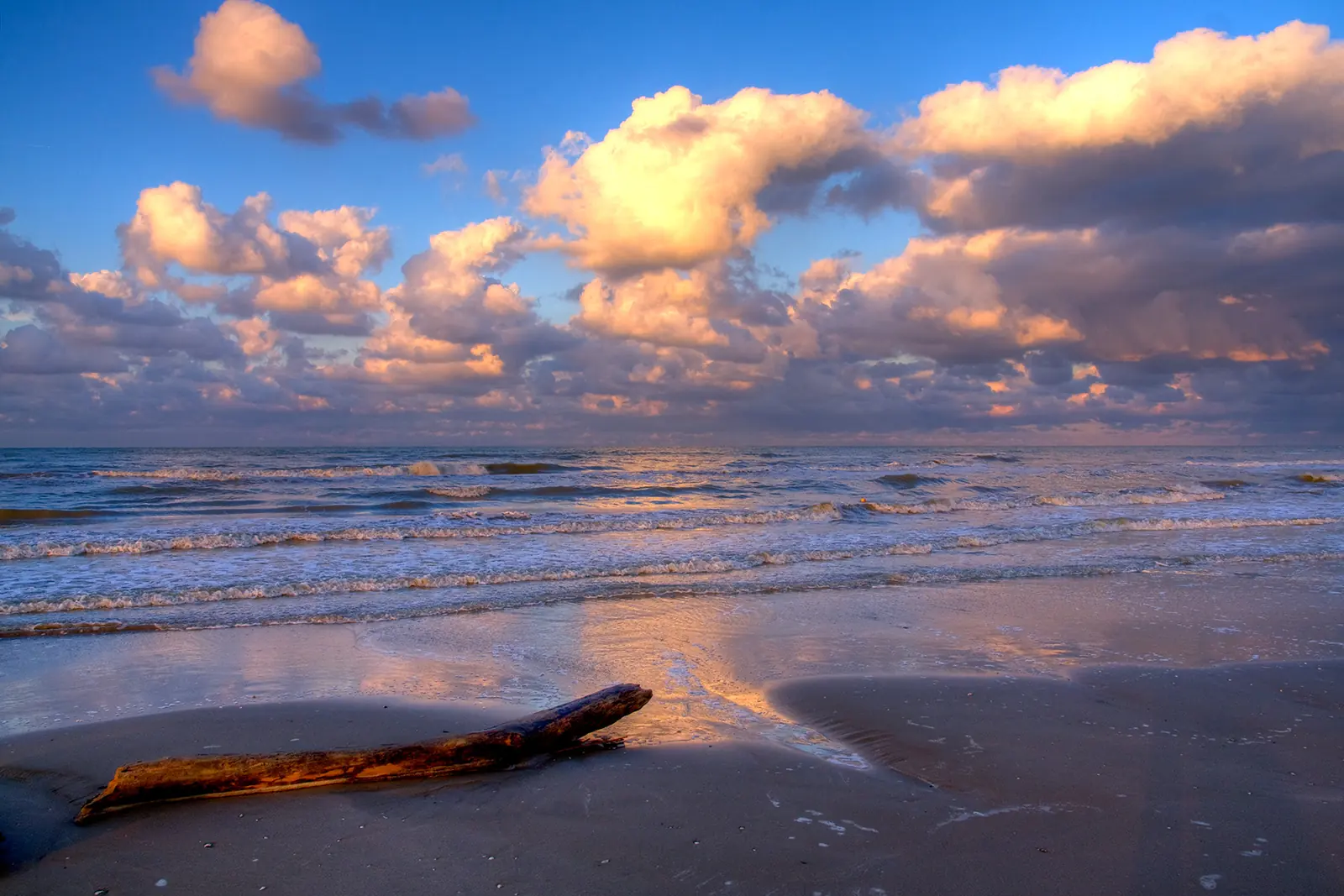
The sea at sunset on Cervia beach, with coloured clouds and a log on the shore
Photo by Roberto Ferrari, Wikimedia Commons, CC BY-SA 2.0

The municipality's roughly nine kilometres of coast are divided by the harbour: Milano Marittima occupies the north side, while Cervia, Pinarella and Tagliata continue south. The beach is sandy; in Pinarella and Tagliata, the pinewood follows the edge of the built-up area and offers routes away from the sand.

In 2026, the Comune received Blue Flag status and all five regional bathing waters are classified as excellent; any temporary bathing bans are signposted on site. Municipal free areas are in Cervia, Pinarella and Milano Marittima: the free beaches guide helps distinguish locations and services. The coast page, meanwhile, explores the different areas to stay.

Sources: Comune di Cervia, Piano dell'arenile and tourism listings; Regione Emilia-Romagna, DGR n. 561/2026. Accessed on 2 October 2026.
All about Cervia beach

Food

Where to eat

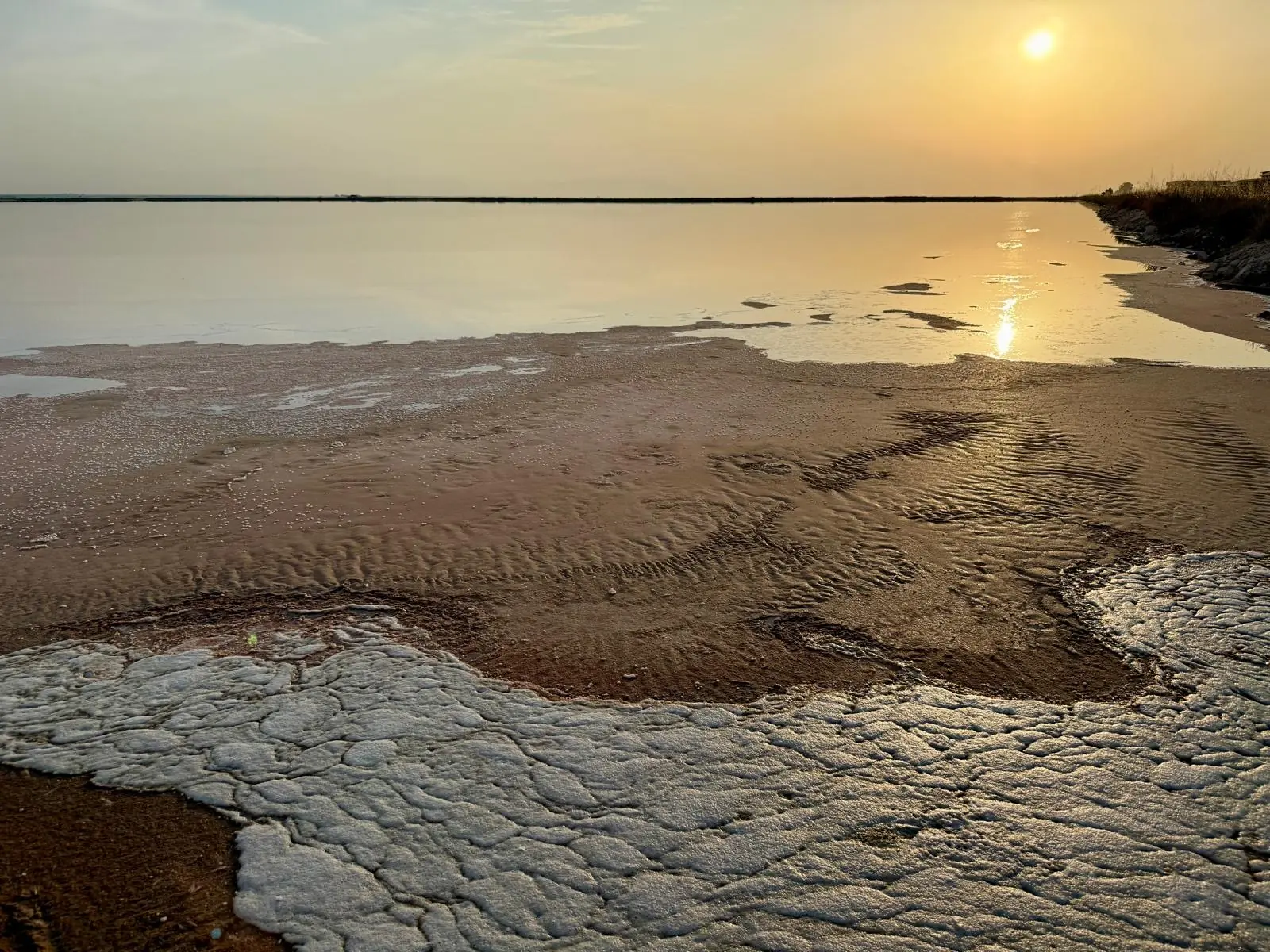
A salt crust exposed on the bottom of a Cervia salt pan basin, with the low sun reflected in the water
Photo by Pinarella, Wikimedia Commons, CC BY 4.0

Cervia sweet salt is used in savoury preparations and pastries, but does not alone sum up the local cuisine. Fresh pasta, passatelli, piadina and oily fish belong to the Romagna table; Pinarella's cardo gobbo adds a winter-season product.

The salt's name describes the absence of the bitter flavour typical of other salts present in greater quantities; sale dolce is not a DOP or IGP designation. The where to eat guide explores dishes and products; local food festivals are gathered among events in Cervia.

Sources: Comune di Cervia, sweet salt and gastronomy; Regione Emilia-Romagna, products and specifications. Accessed on 25 September and 2 October 2026.
Where to eat in Cervia

Place guides

Places in and around Cervia

Every place to visit has its own dedicated guide.

Connections

Getting there and getting around

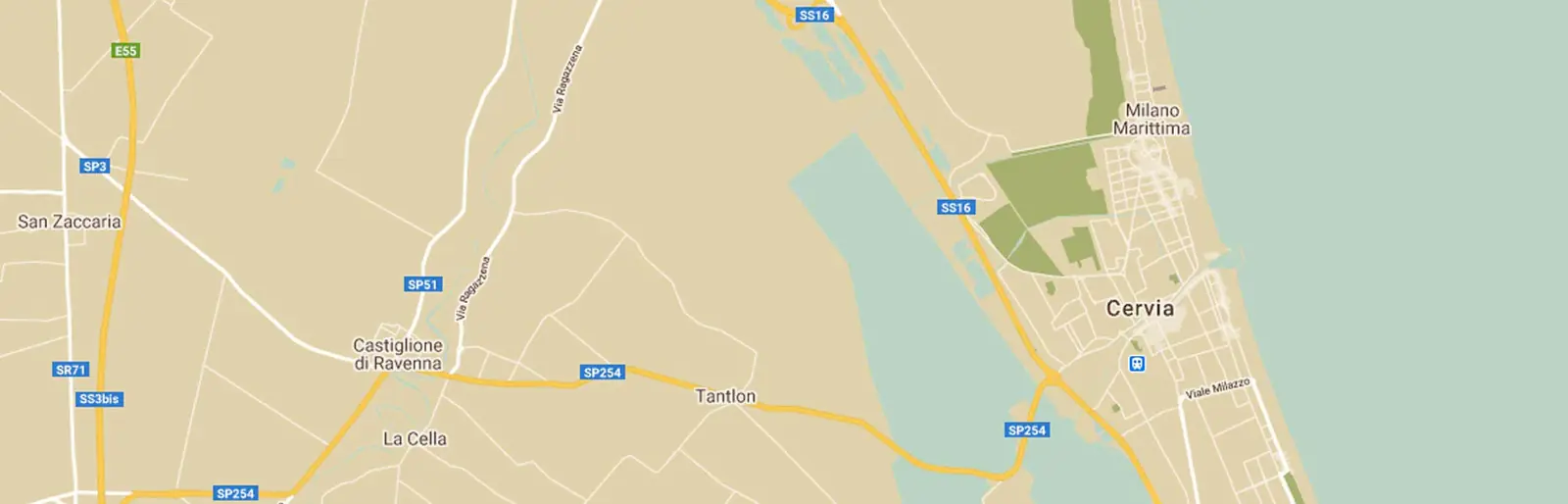
Map of Cervia and Milano Marittima, with salt pan basins behind the coast and Statale 16 running alongside them
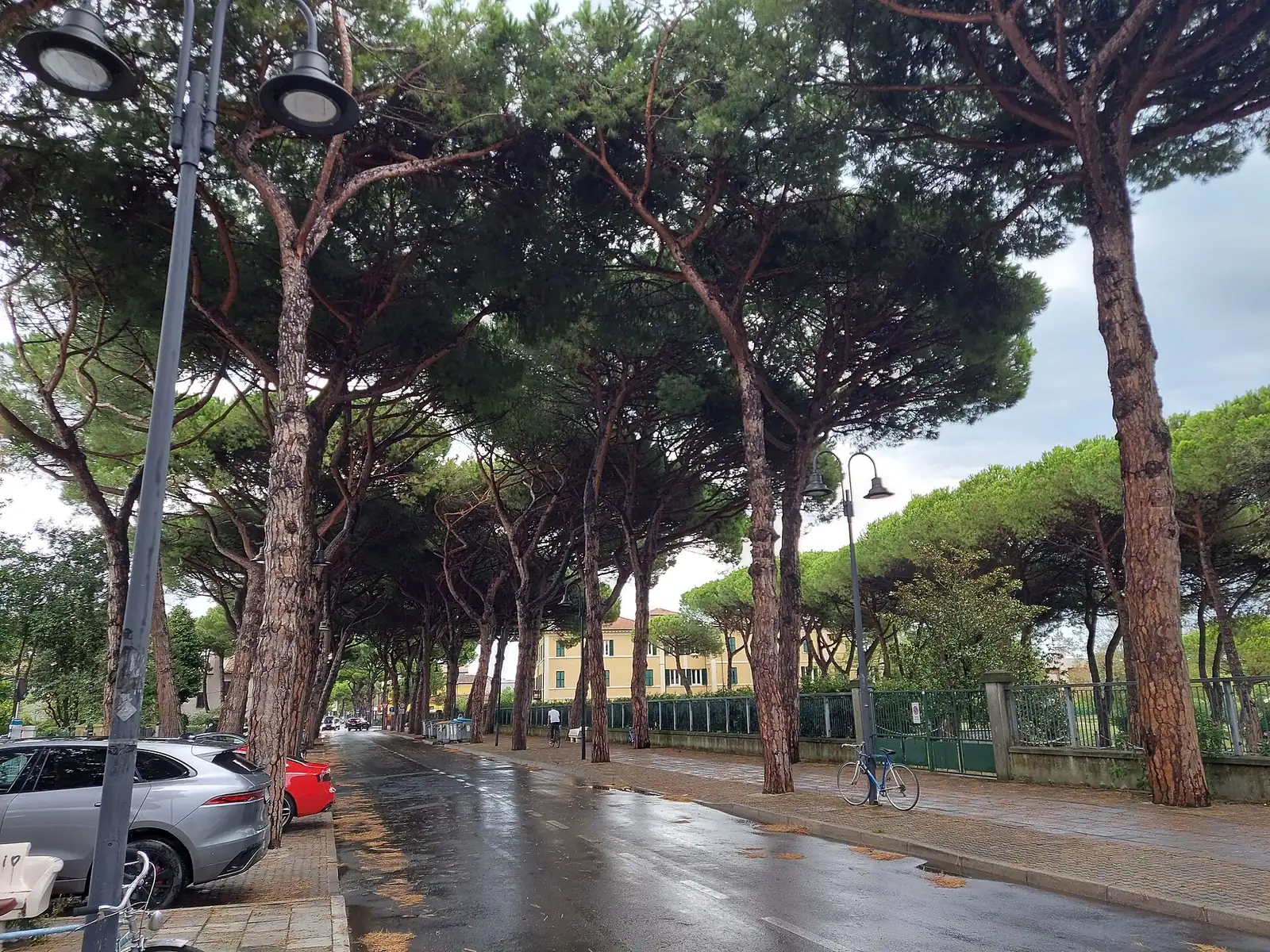
Viale della Stazione in Cervia beneath stone pines, with rain-wet asphalt
Photo by Andr€a, Wikimedia Commons, CC BY-SA 4.0

By car

From the A14, the exits indicated by the Comune are Ravenna, Cesena Nord and Cesena. From Cesena Nord, the route follows the E45 to Casemurate and then Statale 254; from Cesena, it is the 71 bis. Statale 16 links the coast. From April to September, street parking is chargeable in all seaside resorts.

A train at a platform at Cervia-Milano Marittima station, with the canopy and pines in the background
Photo by Threecharlie, Wikimedia Commons, CC BY-SA 4.0

By train and air

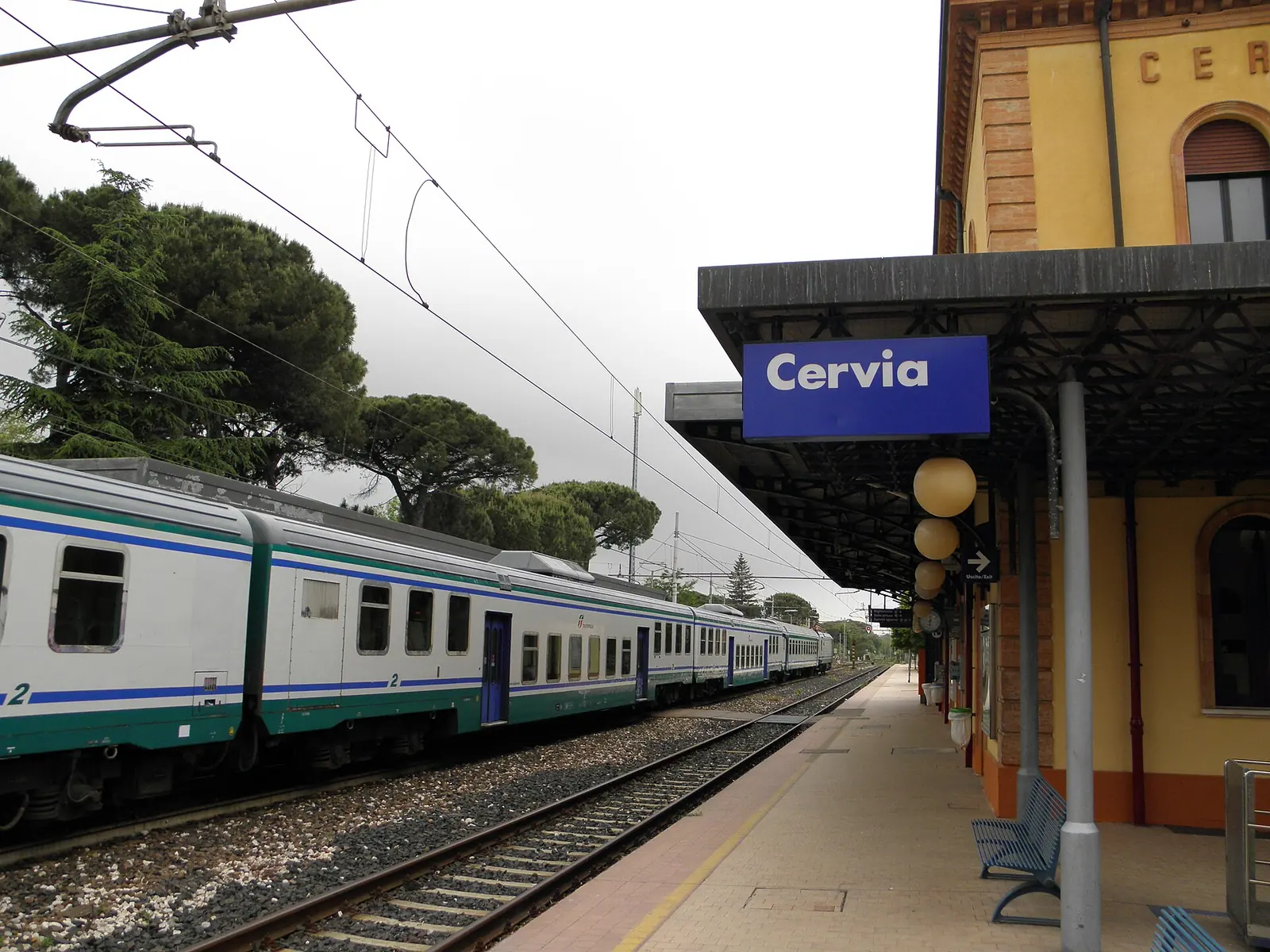
Cervia-Milano Marittima station, at 36 Viale della Stazione, is in Cervia on the Rimini-Ravenna line. Milano Marittima, Pinarella and Tagliata are accessible from the station on Start Romagna route 201.

Getting between the resorts

Start Romagna route 201 links the municipal areas from Milano Marittima to Tagliata, with routes changing between summer and winter; route 176 goes to Ravenna. Excursions from Cervia include cycle routes, pinewoods and hinterland connections.

Sources: Comune di Cervia, getting there and Periodi, orari e tariffe della sosta; RFI; Start Romagna, route 201. Accessed between 2 and 10 October 2026.
Seasons

When to visit

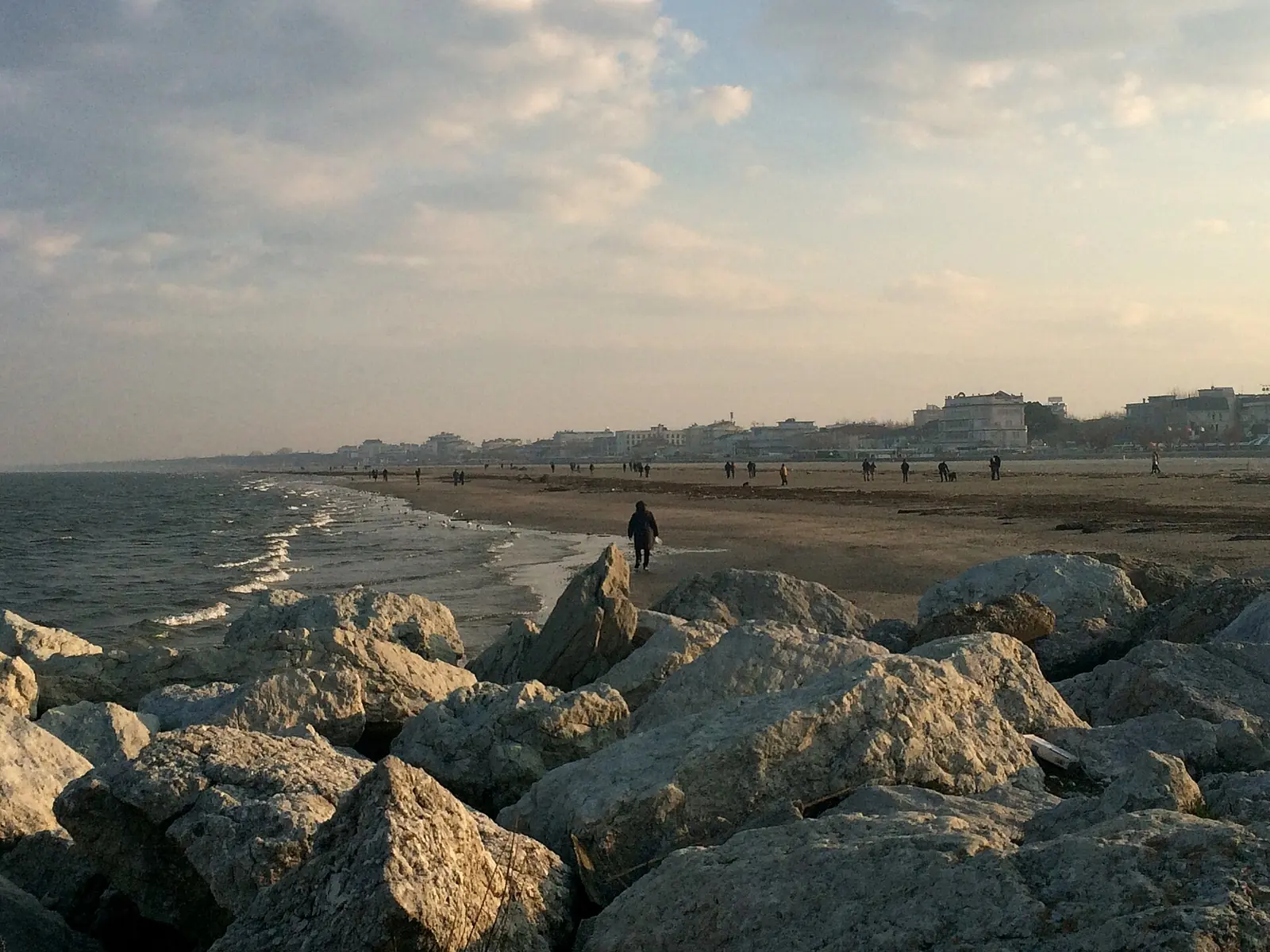
Cervia beach on a cold day, with rocks in the foreground and an almost deserted shore
Photo by Zitumassin, Wikimedia Commons, CC BY-SA 4.0

Summer is the busiest period for the sea. Spring and autumn allow more time for the historic centre, the salt pan, accessible through Centro Visite excursions, and routes through green spaces.

The table pairs climate averages for 1991-2020 with 2025 overnight stays, meaning nights spent in accommodation. The tourism data cover the whole municipality, including Milano Marittima, Pinarella and Tagliata.

MonthAverage minimum (°C)Average maximum (°C)Rainfall (mm)Overnight stays in 2025
January0.07.539.227,414
February0.310.053.218,399
March3.714.351.530,892
April7.418.258.4176,627
May11.623.158.7236,249
June15.427.546.8703,412
July17.430.032.9948,737
August17.629.951.61,043,826
September13.825.280.2370,750
October10.319.786.554,516
November6.013.481.822,401
December1.28.465.224,874

In 2025, the municipality recorded 919,036 arrivals and 3,658,097 overnight stays. Around 73.7% of nights fell between June and August. Areas and periods are described in the Cervia hotels guide. Seasonal attractions include Artevento, Festival Internazionale dell'Aquilone, on Pinarella beach between April and May, Sposalizio del Mare, Cervia Città Giardino and Sapore di Sale, with dates for recent editions in the events calendar.

Sources: Arpae, municipal averages 1991-2020; Regione Emilia-Romagna, 2025 tourism demand, final data; Comune di Cervia, events calendars and Artevento 2026 news. Accessed between 2 and 10 October 2026.
Further information

All Cervia sections

Each topic has its own dedicated guide.