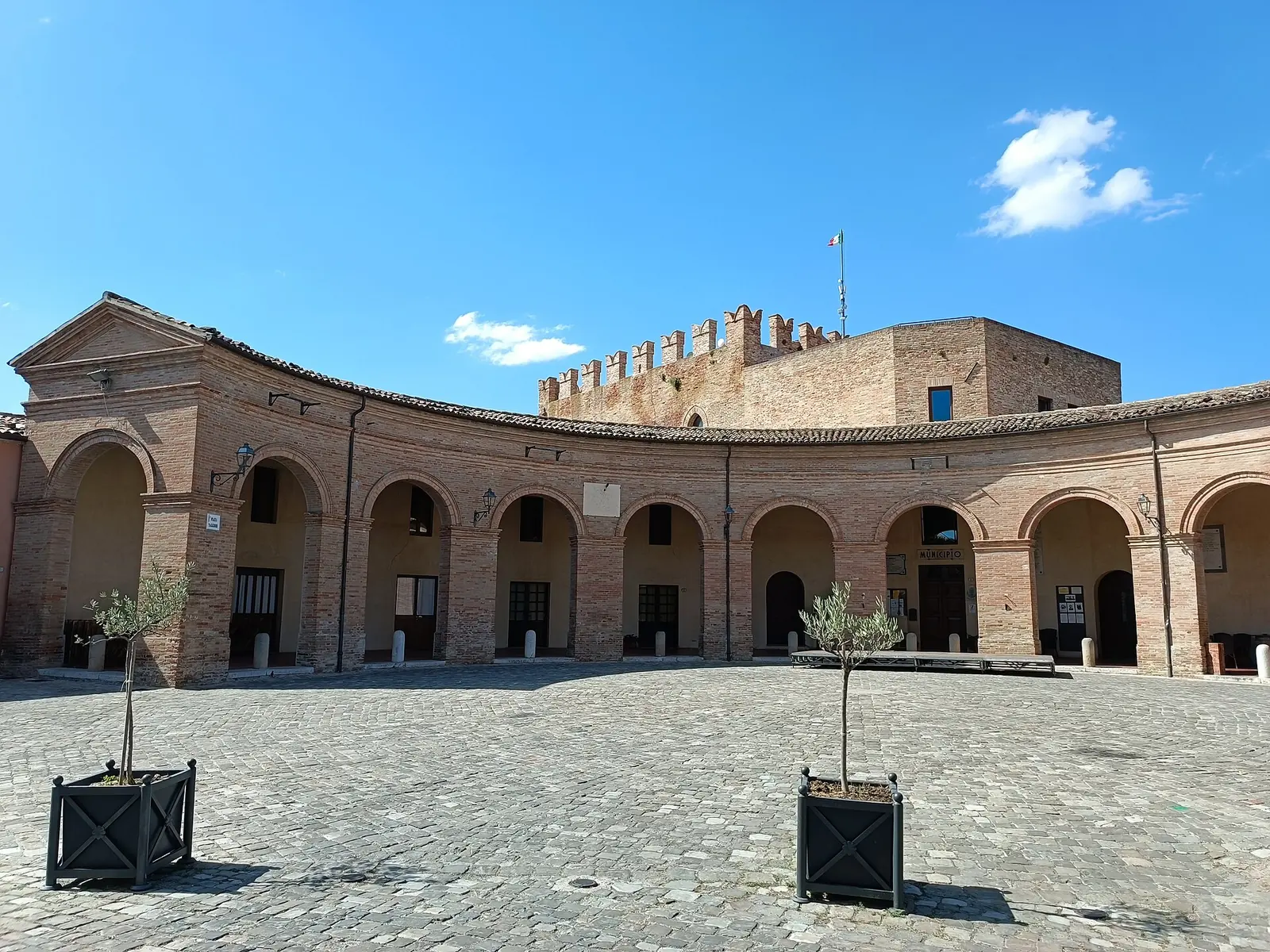
From Riccione, outings can include walks between harbour, villas and historic districts, a guided visit to Onferno cave or a day in Valconca villages. The walks stay within the urban area; Onferno and hill routes require more preparation. Terrain, visiting time and the return connection matter when choosing a trip.
Riccione Paese and Castello degli Agolanti
Corso Fratelli Cervi is the main reference for a walk through Riccione Paese, among the squares and streets of the historic core. Centro della Pesa houses Museo del Territorio, devoted to local history.
Castello degli Agolanti stands on the hill outside the historic centre. The park and views are the destination of a short climb; interiors open during cultural events.
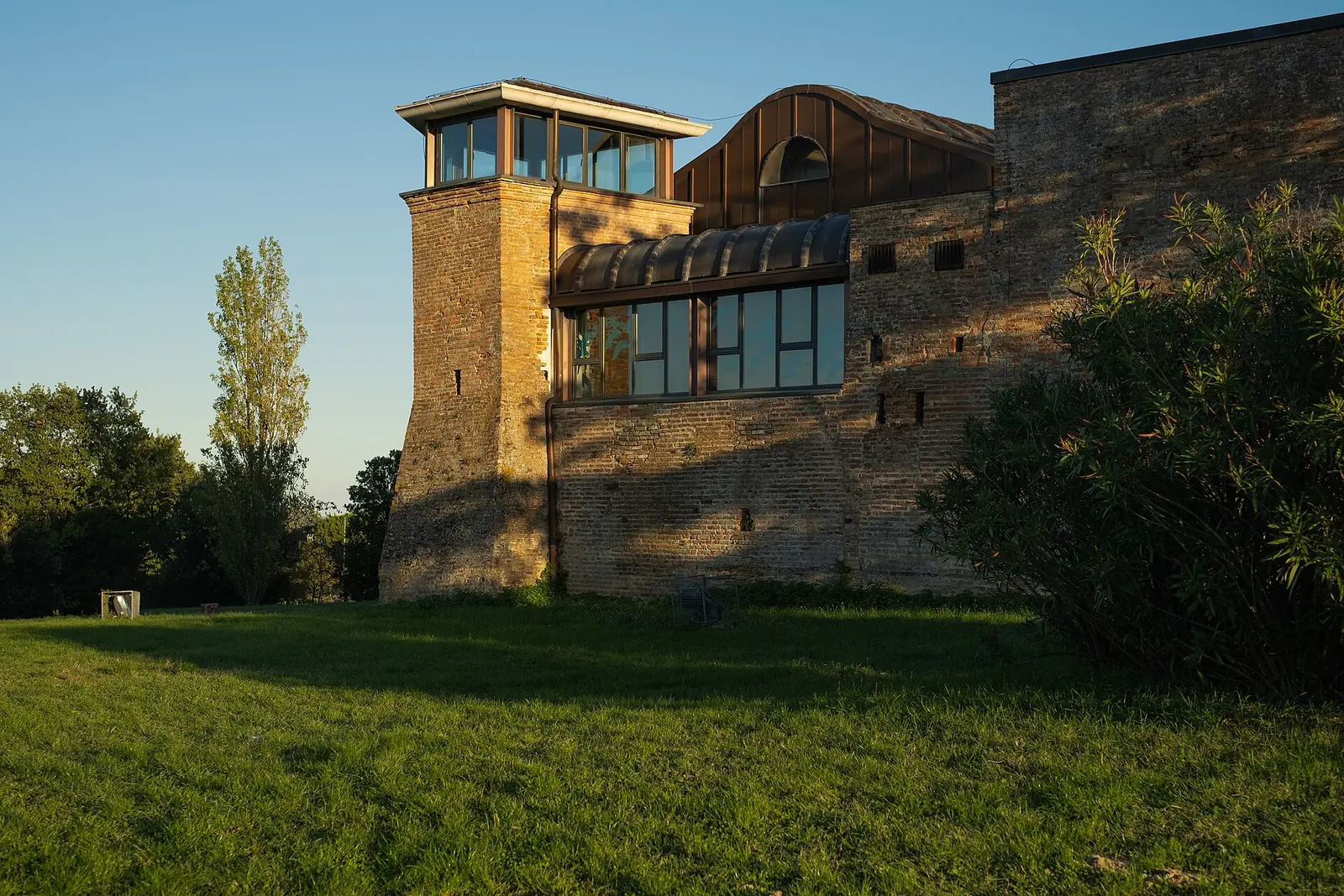
Combining Riccione Paese and the hill adds a climb to the walk, more strenuous in the hottest hours of the day.
Villas between centre and sea
Villa Mussolini, on the seafront, is a late 19th-century building used by the Mussolini family between 1934 and 1943, now an exhibition venue: interiors can be visited during exhibitions, while the building can be included in an urban route alongside the centre.
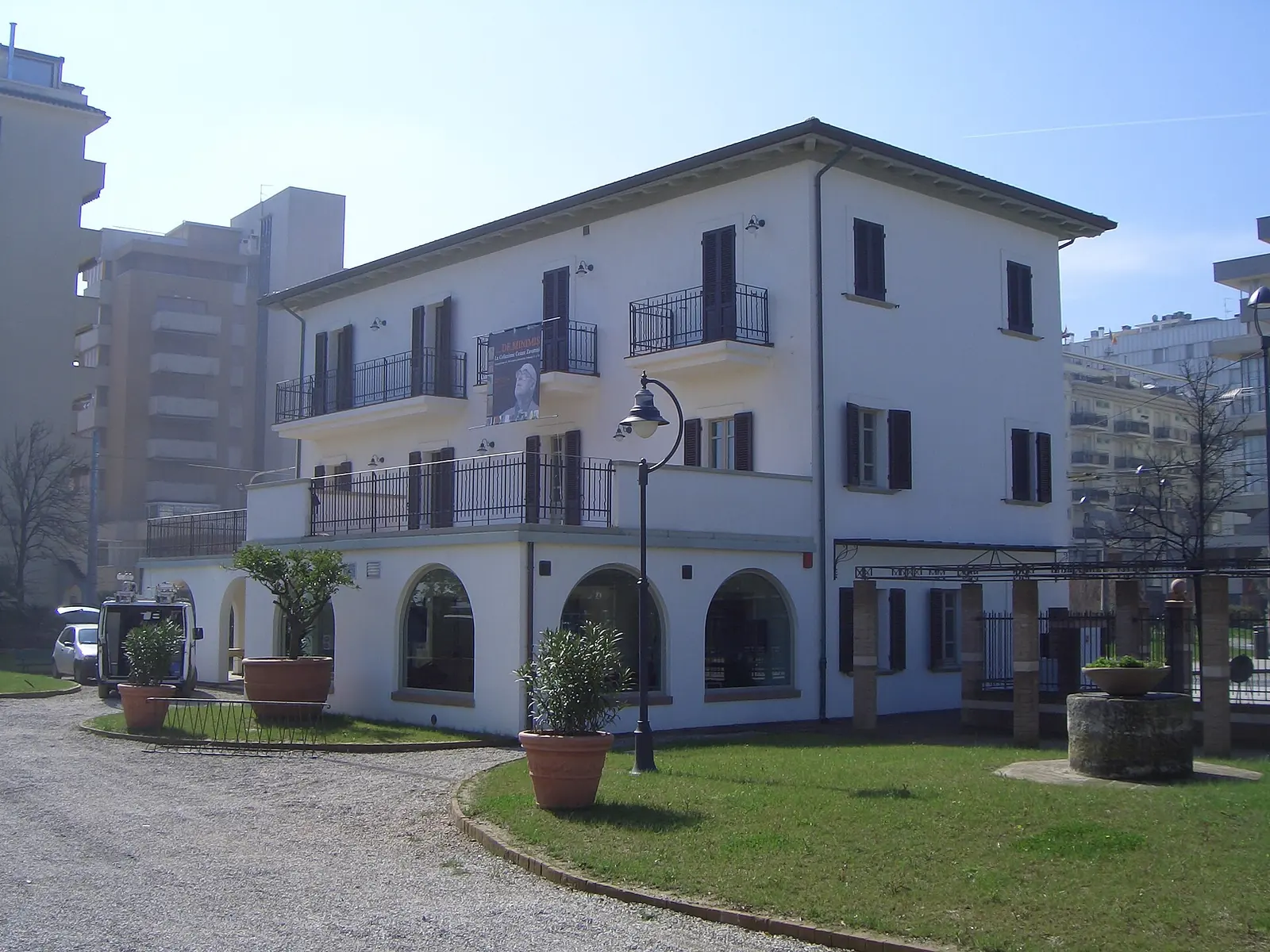
Villa Franceschi houses Galleria d'arte moderna e contemporanea, with free entry. The two villas suit an art-focused day, each with its own calendar. Villa Lodi Fè adds a green stop, with its park near the station.
For choosing which places to visit inside, the Riccione guide presents the main cultural stops without tying the walk to a single route.
Harbour, Rio Melo and seafront
The canal harbour follows Rio Melo towards the sea, offering views of the transition between quays and seafront. Inland, the Parco degli Olivetani and Parco Chico Mendes area offers a different landscape, linked to the stream and riverside vegetation.
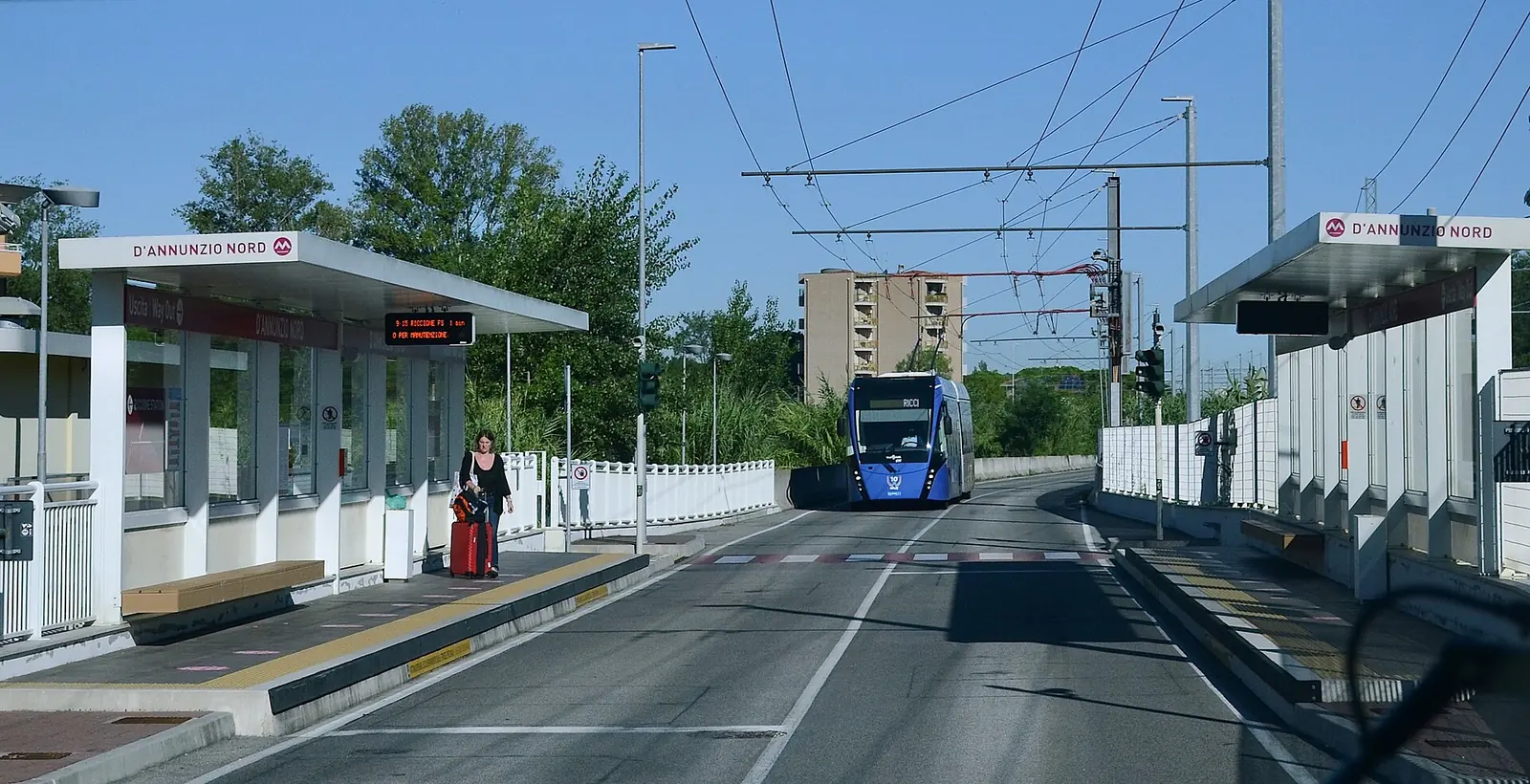
For a Rimini trip, Metromare links the two stations in around 23 minutes, plus travel to the stops. Only folding bicycles are allowed on board. A San Marino trip also goes through Rimini: the bus to Monte Titano leaves from the Rimini station area, reached from Riccione by train or Metromare.
Works continuing until spring 2027
Between autumn 2026 and spring 2027, three construction sites affect these walks. On Corso Fratelli Cervi, between Viale Sciesa and Viale Ruffini including Piazza Matteotti, refurbishment begun in October pauses from 8 December to 6 January, and the Comune expects completion by February 2027. Along Rio Melo, the Regione is reinforcing the right bank on Viale Paolieri, between the former kiln area and the Parco degli Olivetani amphitheatre: that section's cycle and pedestrian path is closed, with pedestrians and bicycles diverted onto Viale Einaudi. On Lungomare del Sole, work on Viale Torino, 1.7 kilometres to the Misano Adriatico boundary, resumed on 5 October, and the Comune expects completion by spring 2027.
Onferno: the cave requires a guided visit
The Onferno nature reserve is within Gemmano and protects an environment associated with gypsum outcrops. The cave can only be entered on a guided visit.
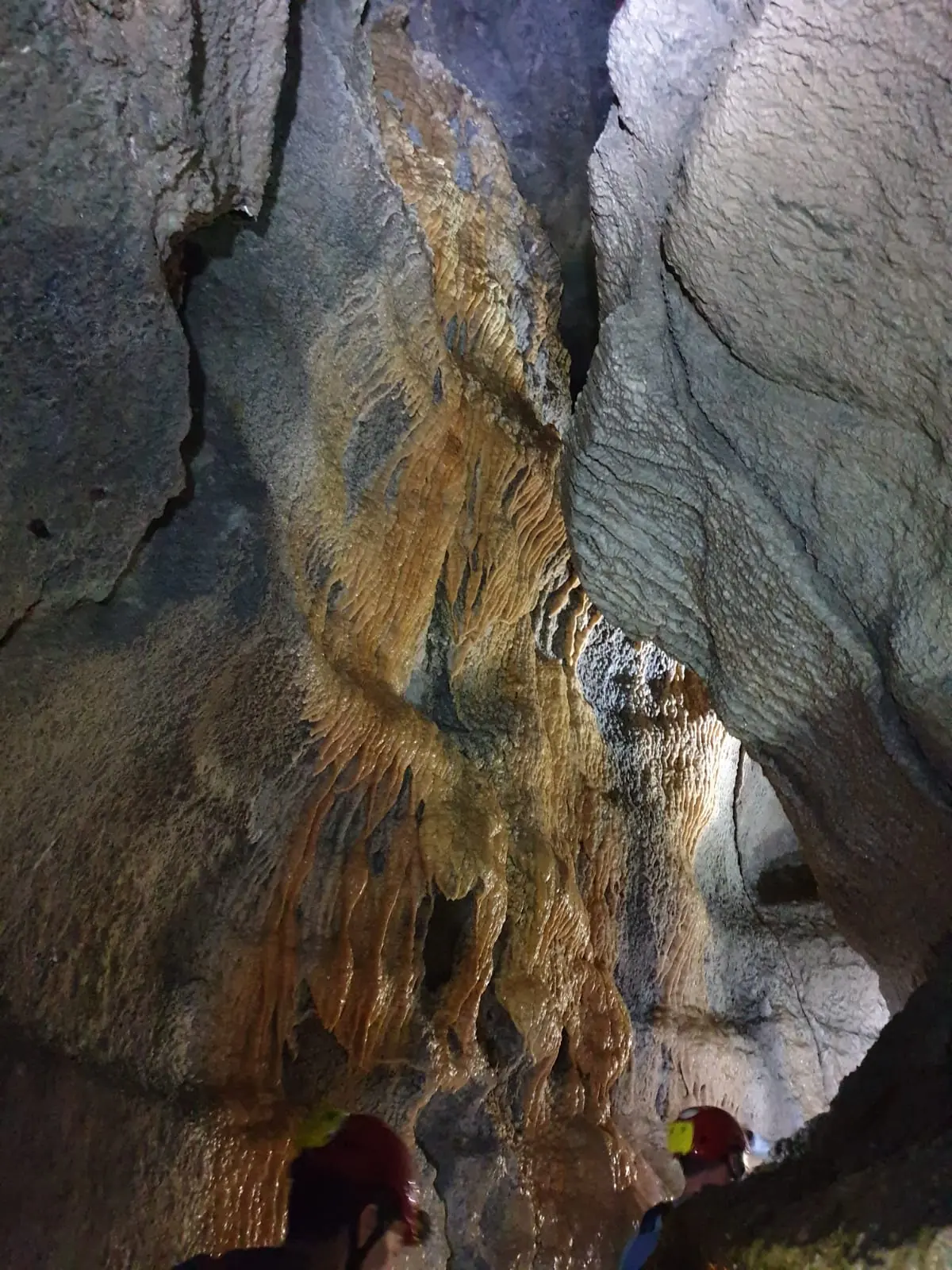
Comune di Gemmano describes a cave around 700 metres long, with 350 open to the tourist route, and a guided visit lasting around an hour. The starting point is the visitor centre in the old Pieve di Santa Colomba, which also organises excursions on the reserve's outdoor routes. The cave houses the region's most important bat colony, with eight species.
For people with mobility difficulties, accessibility of the underground route is arranged with the visitor centre.
By public transport, route 124 goes to Morciano di Romagna, followed by route 182 to Gemmano and Onferno. Planning the visit around the return service in the official Start Romagna timetables is advisable.
Valconca villages and routes
Montefiore Conca offers a trip devoted to the village and Rocca Malatestiana di Montefiore Conca, with a multimedia visitor route displaying excavation finds. Mondaino has its semicircular square in front of the fortress and Museo Paleontologico, gathering evidence of the area's geological history. San Clemente introduces the valley's agricultural landscape and cultivated hills.
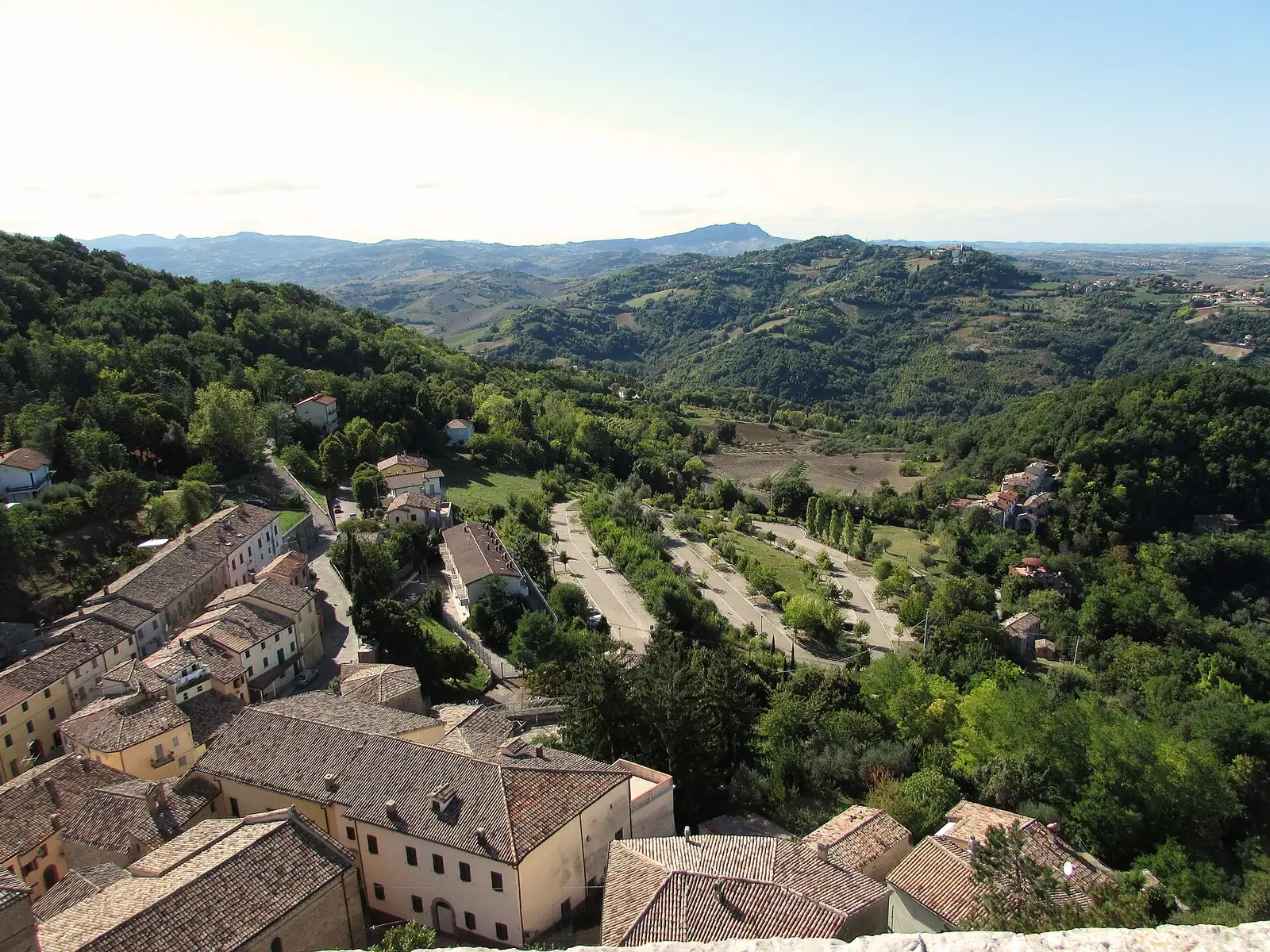
For a day trip, choosing one village as the main destination and a second nearby stop is advisable: museums and fortresses have different calendars.
By bicycle, Comune di San Clemente's DIvino nature route is a 26-kilometre loop with 600 metres of elevation gain, 70 per cent on dirt tracks; it can be shortened to one of two partial routes, of 13 and 17 kilometres. Climbs and descents are demanding and some stretches become muddy; red and blue arrows are followed clockwise.
Riviera itineraries help spread stops across a stay. For every hinterland trip, fixing the main visit and return first is useful, allowing enough travel time between coast and hills.