Skip to content
Riviera Romagnola The nine coastal resorts
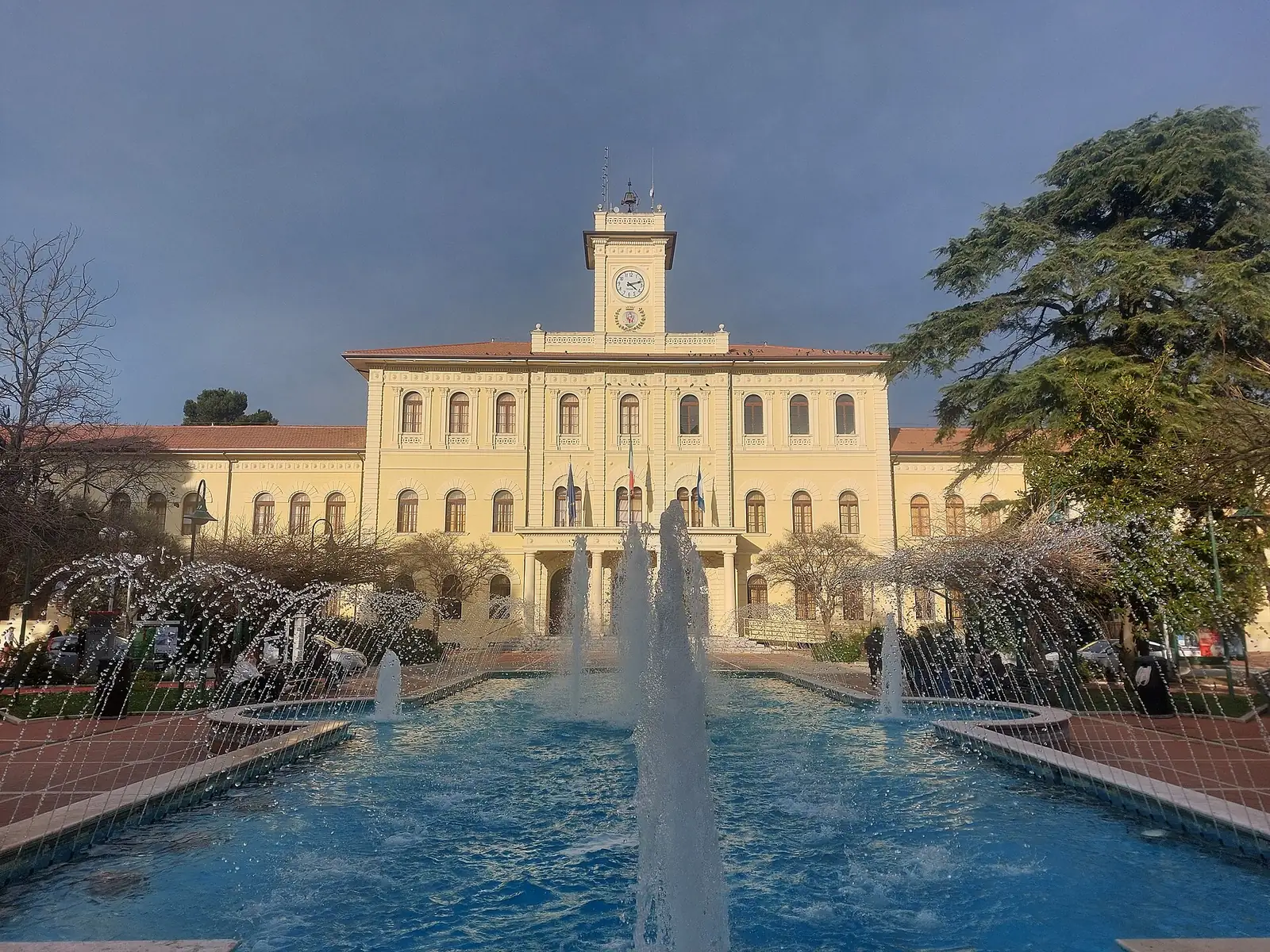
Cattolica town hall with its clock tower beyond the fountain jets

Photo by Diego_Baglieri, Wikimedia Commons, CC BY-SA 4.0

Provincia di Rimini, Emilia-Romagna

Cattolica: things to see and do

The resort

At a glance

Cattolica combines a compact beach, a fishing harbour and an old town to explore on foot. The Acquario occupies the area towards the Conca; Museo della Regina, meanwhile, explores the local area and maritime life in the historic centre. A stay alternates these stops with the sea and trips towards Gradara and Valconca. The Tavollo separates Cattolica from Gabicce Mare and also marks the border between Emilia-Romagna and the Marche.

Municipality
Cattolica, Provincia di Rimini, Emilia-Romagna
Population
16,614 residents as at 1 January 2026 (Istat estimate)
Area
6.23 km² (Istat)
Location
Adriatic coast, between the mouths of the Tavollo and Conca; borders Misano Adriatico, San Giovanni in Marignano and, in the Marche, Gabicce Mare and Gradara
Beach
2,185 metres of seafront under the 2025 beach plan; five bathing waters, four “good” and one “excellent”; Blue Flag 2026
Motorway
A14, Cattolica-S.Giovanni-Gabicce exit
Train
Cattolica-S.Giovanni-Gabicce station
Airport
Aeroporto Internazionale di Rimini e San Marino Federico Fellini, in Rimini Miramare
Local transport
Start Romagna, routes 125 and 134; Adriabus for Gabicce Mare and Gradara
Tourist information
IAT in Palazzo del Turismo, 24 Via Mancini; town hall at 5 Piazza Roosevelt

Sources: Istat (population as at 1 January 2026, area, neighbouring municipalities); Comune di Cattolica (districts, Blue Flag, IAT, town hall, 2025 beach plan); Regione Emilia-Romagna (DGR n. 561 of 20 April 2026); RFI; Start Romagna and Adriabus. Accessed on 2 October 2026.
Things to do

Nineteen things to do in Cattolica

The main entries, each linking to a detailed guide.

  1. Choosing a beach between the harbour and the Conca

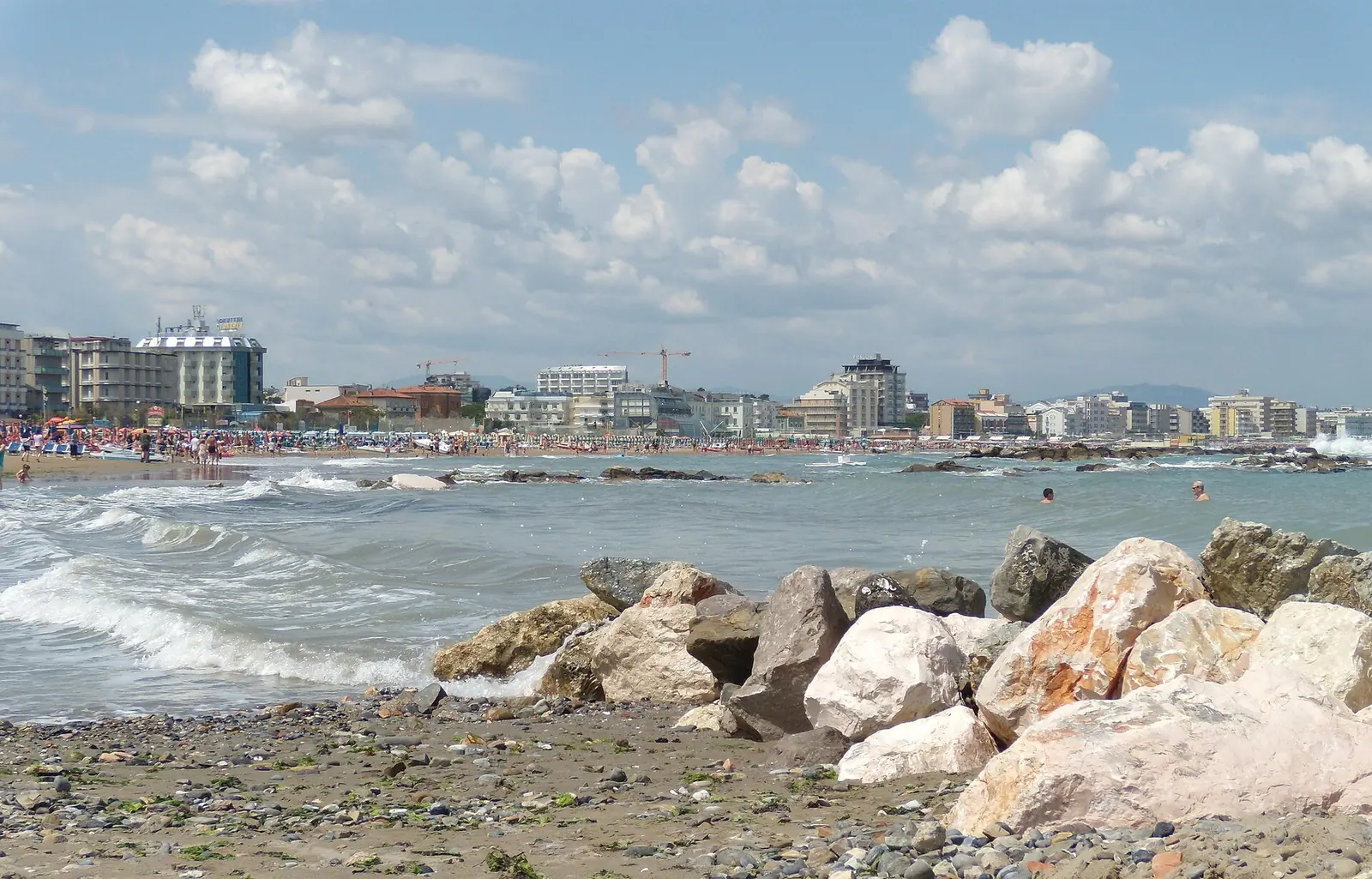
    Cattolica beach occupies just over two kilometres between the harbour on the Tavollo and the Conca mouth. The Via Fiume jetty separates the Levante and Ponente sectors; breakwaters offshore shape the bay's landscape. The areas are compared in the Cattolica beach guide.

    Waves breaking among breakwater boulders, with a crowded beach and Cattolica's buildings in the background
    Photo by Van Loon, Wikimedia Commons, CC BY 3.0
  2. Planning a day on the free beach

    In front of Parco Le Navi lies one of the town's free beach stretches, where no parasol or sunlounger hire is needed. The beach ordinance rules apply here too, including those for animals: the Cattolica free beaches guide describes access, services and prohibitions.

  3. Following Lungomare Rasi Spinelli to the harbour

    From Piazza Primo Maggio, the walk follows Lungomare Rasi Spinelli towards the harbour. The route continues around the fishing basin on a raised cycle and pedestrian walkway, offering a different view of the sea. It links beach, centre and harbour; the sport in Cattolica guide brings together cycling routes.

  4. A stop at Fontana delle Sirene

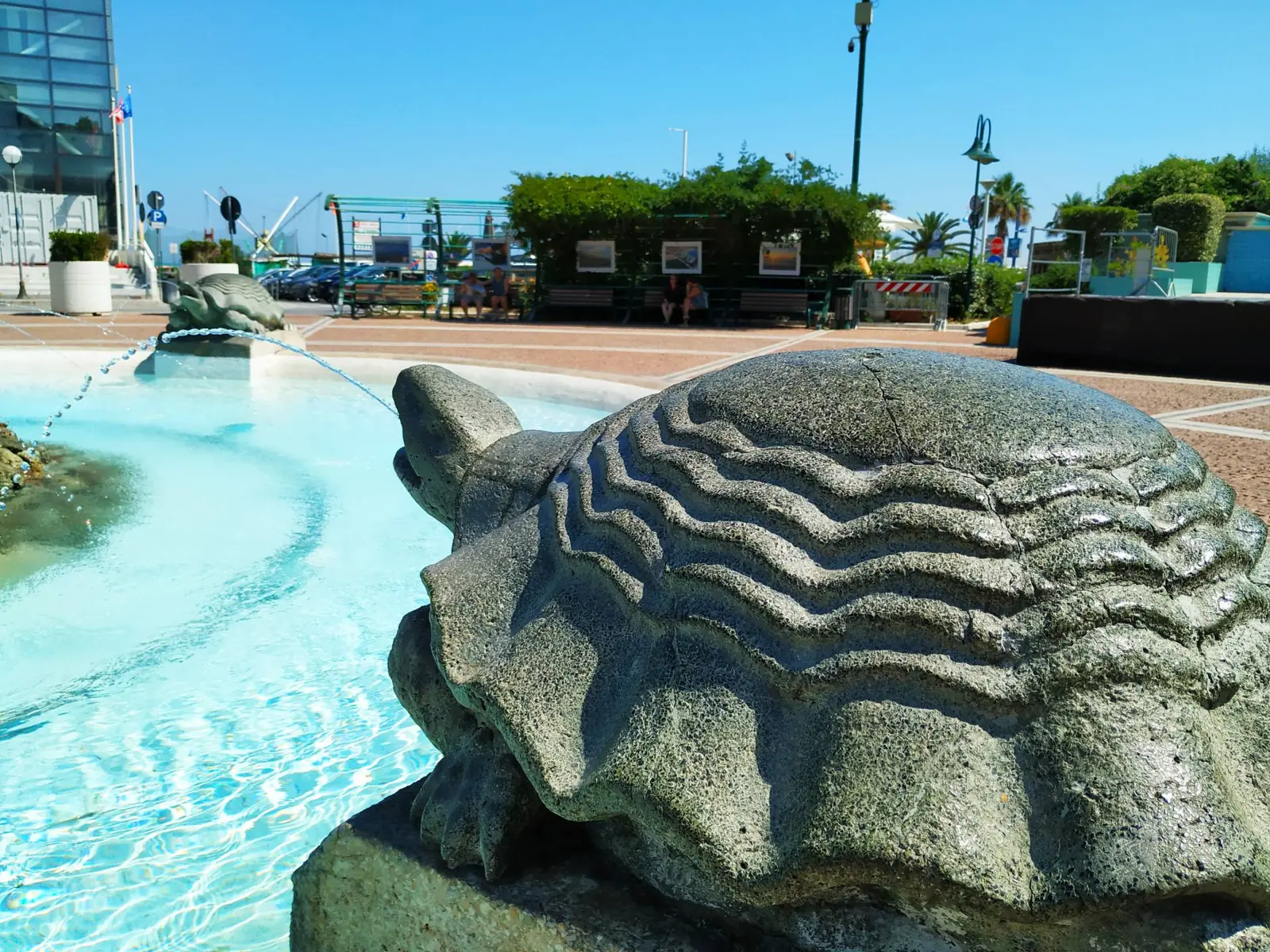
    Piazza Primo Maggio is the landmark between the centre and the sea. At the centre of Fontana delle Sirene, created by Giuseppe Casalini in 1928-1929, three figures support the basin; turtles complete the composition. The square also hosts events and summer evenings. The Cattolica events calendar lists the events in the square.

    A stone turtle spouting water in one of the fountains in Piazza Primo Maggio, Cattolica
  5. A visit to Mercato Coperto

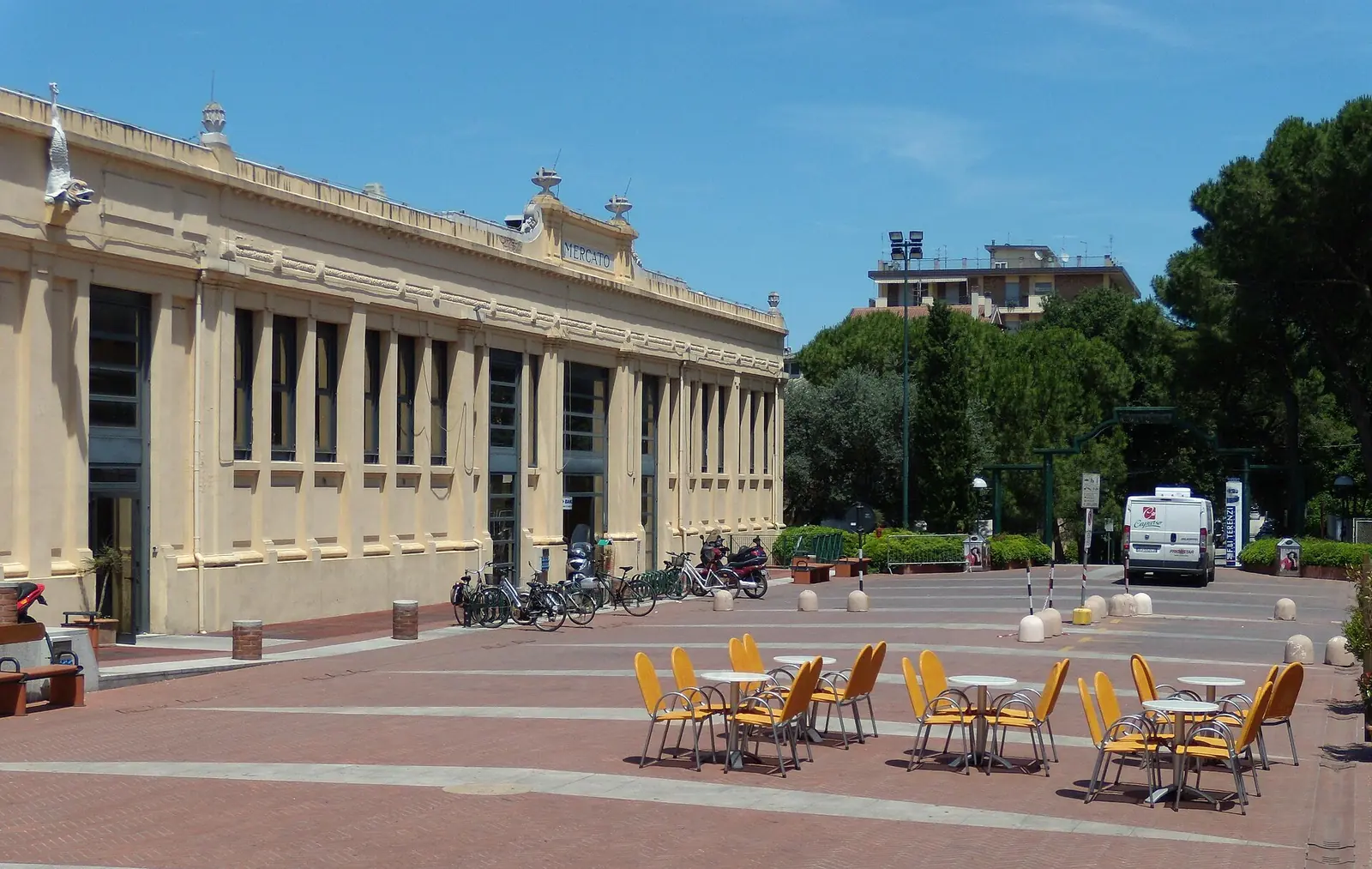
    Mercato Coperto on Piazza Mercato retains its Art Nouveau façade, steps and painted coat of arms. Food businesses operate inside: it is a stop for buying ingredients during a stay and observing a building linked to the town's daily life. The shopping in Cattolica guide places it on the route between markets and central streets.

    Mercato Coperto in Cattolica, a yellow building with Mercato written on the pediment, and the forecourt with chairs and bicycles
    Photo by Van Loon, Wikimedia Commons, CC BY 3.0
  6. Combining a walk with a tour of the markets

    The weekly market occupies the Piazza De Curtis and Via Petrarca area on Saturday mornings. Evening markets are added in summer; Piazza Nettuno and Via Bovio also host antiques events. These occasions differ in products and schedules. Days and locations are in the Cattolica markets guide.

  7. Finding the old town along Via Pascoli

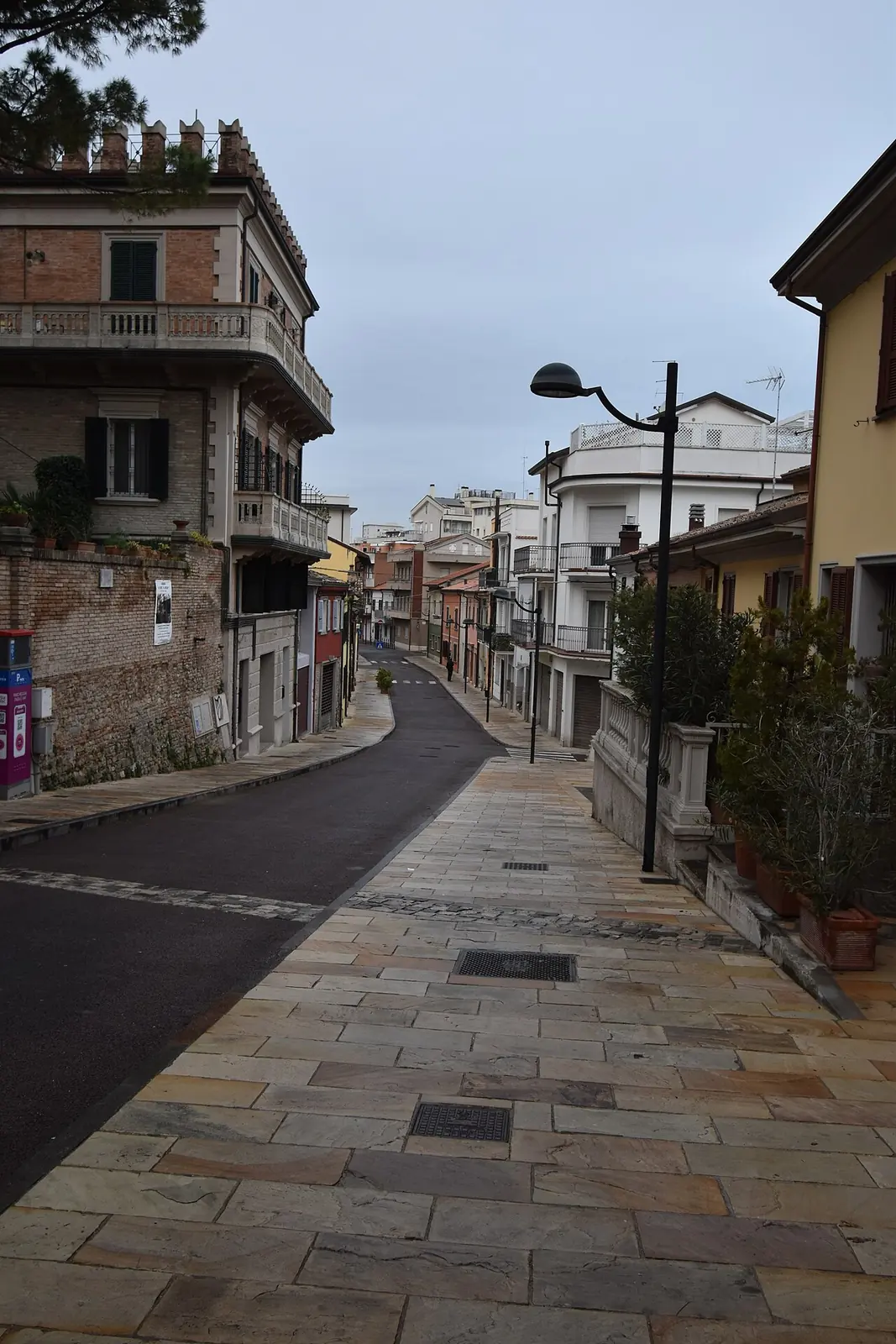
    Via Pascoli and Via Mazzini preserve traces of the town before seaside tourism. The name Catholica appears in a document from 1271; Rocca Malatestiana dates from the late 15th century. Today the fortress is privately owned and can only be viewed from outside. Chiesa di Sant'Apollinare and Porta Vercellese add stops to a compact walk near Museo della Regina.

    Via Giovanni Pascoli in Cattolica's historic centre, with stone paving slabs and 19th-century houses
    Photo by Fred Cherrygarden, Wikimedia Commons, CC BY-SA 4.0
  8. Understanding maritime history at Museo della Regina

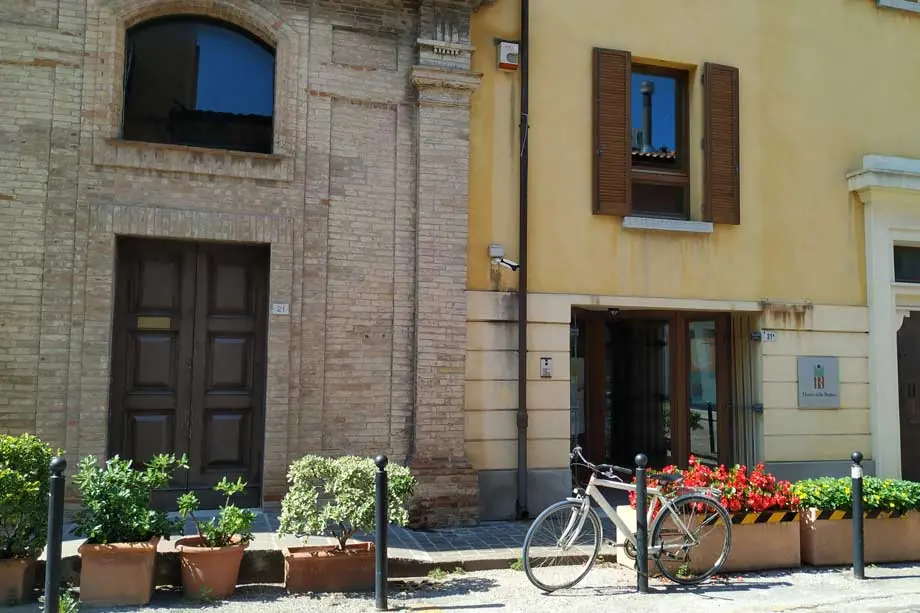
    Museo della Regina, at 23 Via Pascoli, brings together two sections: archaeological finds explore ancient settlements, while the maritime section follows boats, fishing and the lives of harbour communities. It occupies the former Ospitale per Pellegrini. The Comune lists free entry and no architectural barriers. The visit complements the harbour and offers an alternative to a beach day.

    The brick entrance to Museo della Regina in Cattolica, on a central street
  9. A guided visit underground to Galleria Paparoni

    Beneath the old town, Galleria Paparoni is Cattolica's most complex underground structure and can only be visited with a guide. In summer 2026, Museo della Regina included it in evening tours of the historic centre on Wednesdays and Fridays, with booking through the IAT at 24 Via Mancini. The excursions from Cattolica guide also explores this urban route.

  10. Watching the working harbour from the fishing basin

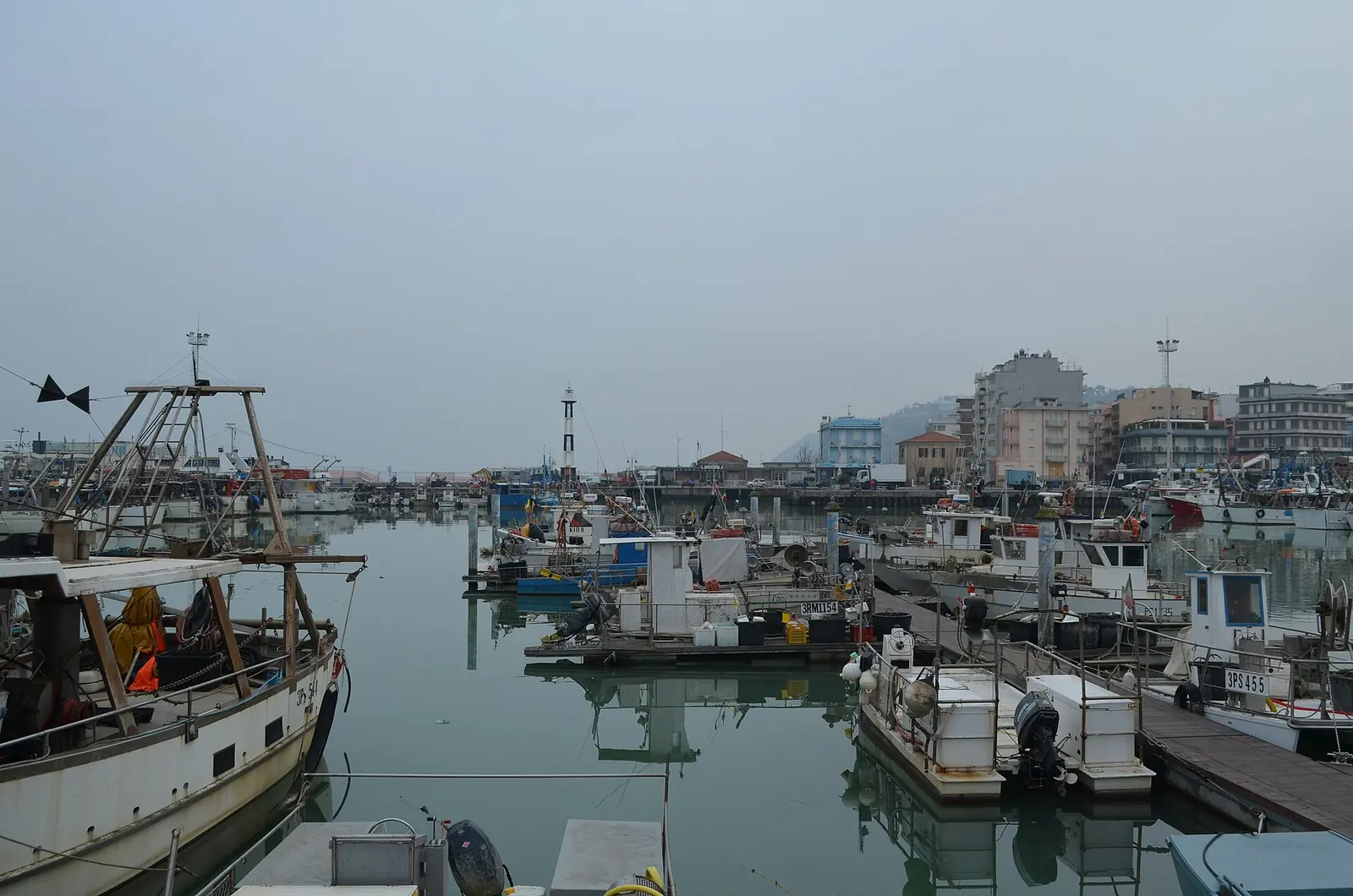
    The harbour and fishing basin show Cattolica's ties to fishing. The walk offers views of the boats and waterfront buildings; Casa del Pescatore, on Via Enrico Toti, belongs to this history. The harbour fish market sells wholesale.

    Fishing boats moored in Cattolica's canal harbour, with the black-and-white lighthouse and houses in the background
    Photo by Silvietta 79, Wikimedia Commons, CC BY-SA 4.0
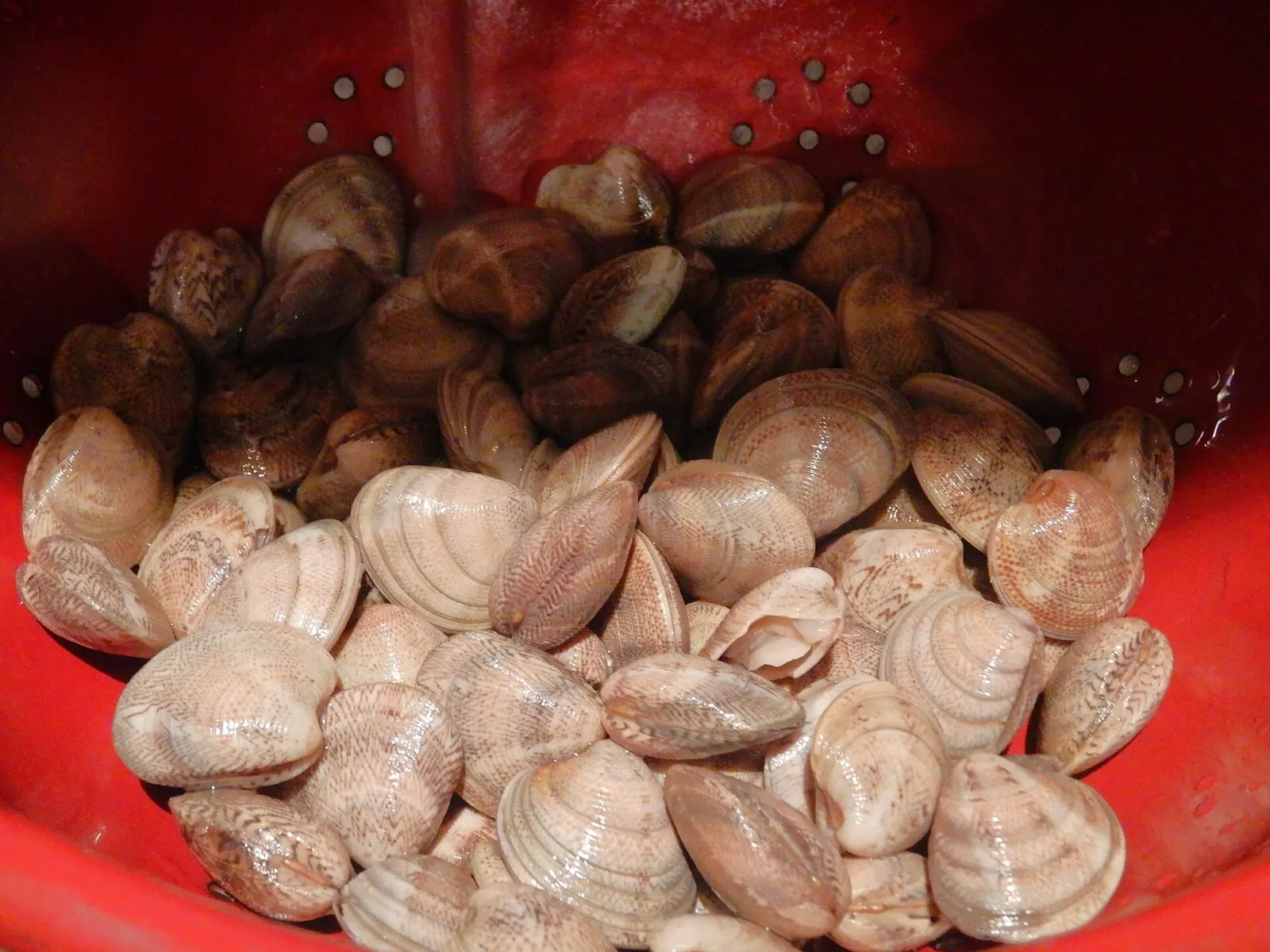
  11. Identifying clams, bizulà and miacetto

    The clam locally known as poveraccia is Chamelea gallina, distinct from the carpet shell clam. Two other specialities tell the town's story: bizulà, a ring-shaped twice-baked bread linked to sailors' lives, and miacetto, a traditional Christmas cake. The what to eat in Cattolica guide explores these preparations and seafood dishes.

    Clams in a red colander, ready to be cooked
    Photo by Albarubescens, Wikimedia Commons, CC BY-SA 4.0
  12. Following the maritime festivals

    Pesca alla tratta re-enacts a shore-based fishing technique; Festa della Madonna del Mare links the harbour to the community's religious tradition. Dates and programmes for recent editions are in events in Cattolica.

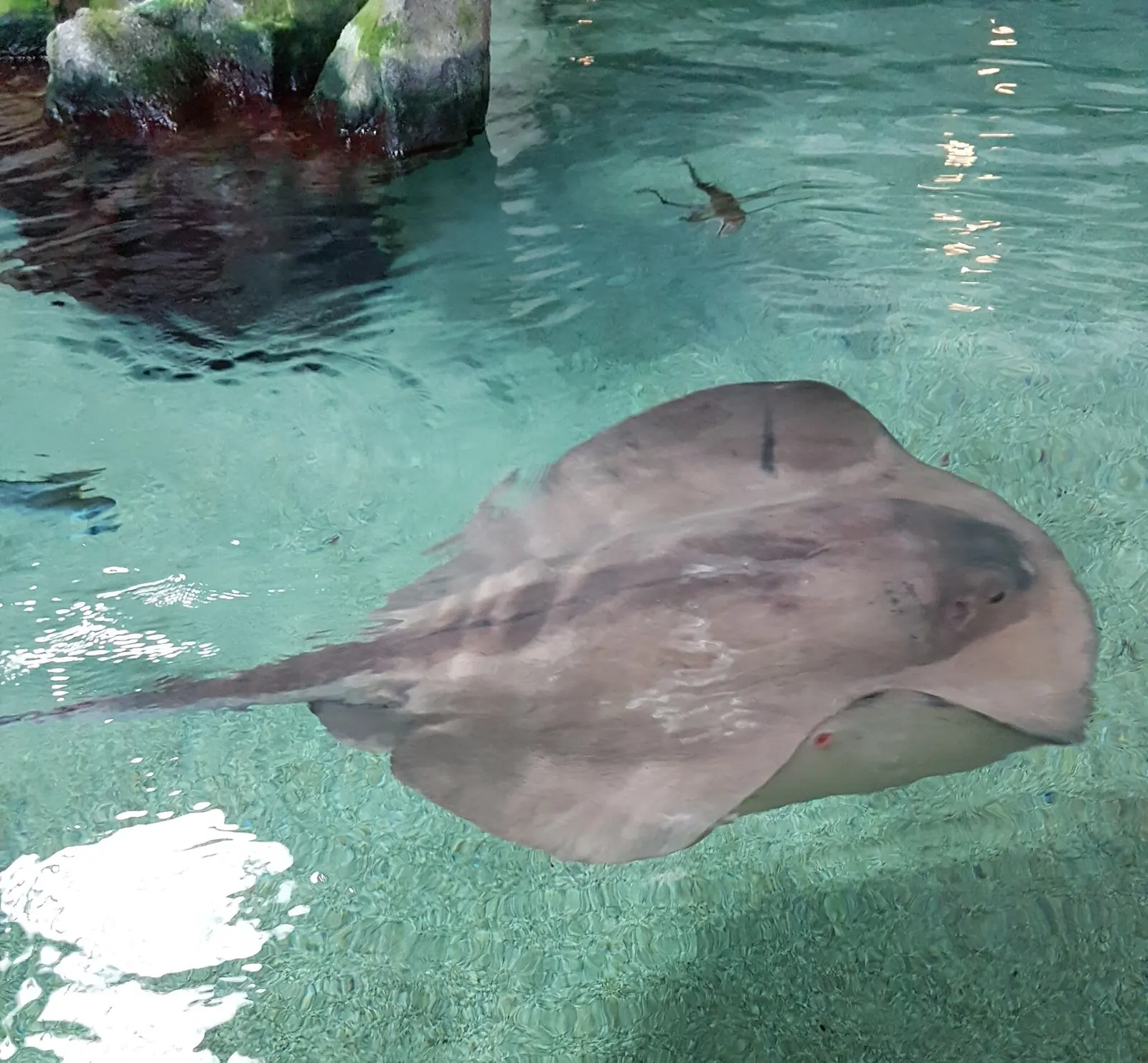
  13. A visit to the Acquario

    Acquario di Cattolica occupies the buildings of the Le Navi seaside holiday colony, designed by Clemente Busiri Vici and opened in 1934. Their ship-like forms make the complex recognisable even before entry. The Acquario has a seasonal opening calendar, shown in its listing; other activities are gathered in the Cattolica with children guide.

    A ray swimming in a shallow tank at Acquario di Cattolica, with rocks in the background
    Photo by Bultro, Wikimedia Commons, CC BY-SA 4.0
  14. A break in the greenery of Parco della Pace

    Parco della Pace includes a small lake, exercise trails and children's areas. The Comune presented the refurbished areas as ready for inauguration on 17 October 2026 with Festa della Pace. The refurbishment covers paths, benches, facilities and inclusive play equipment.

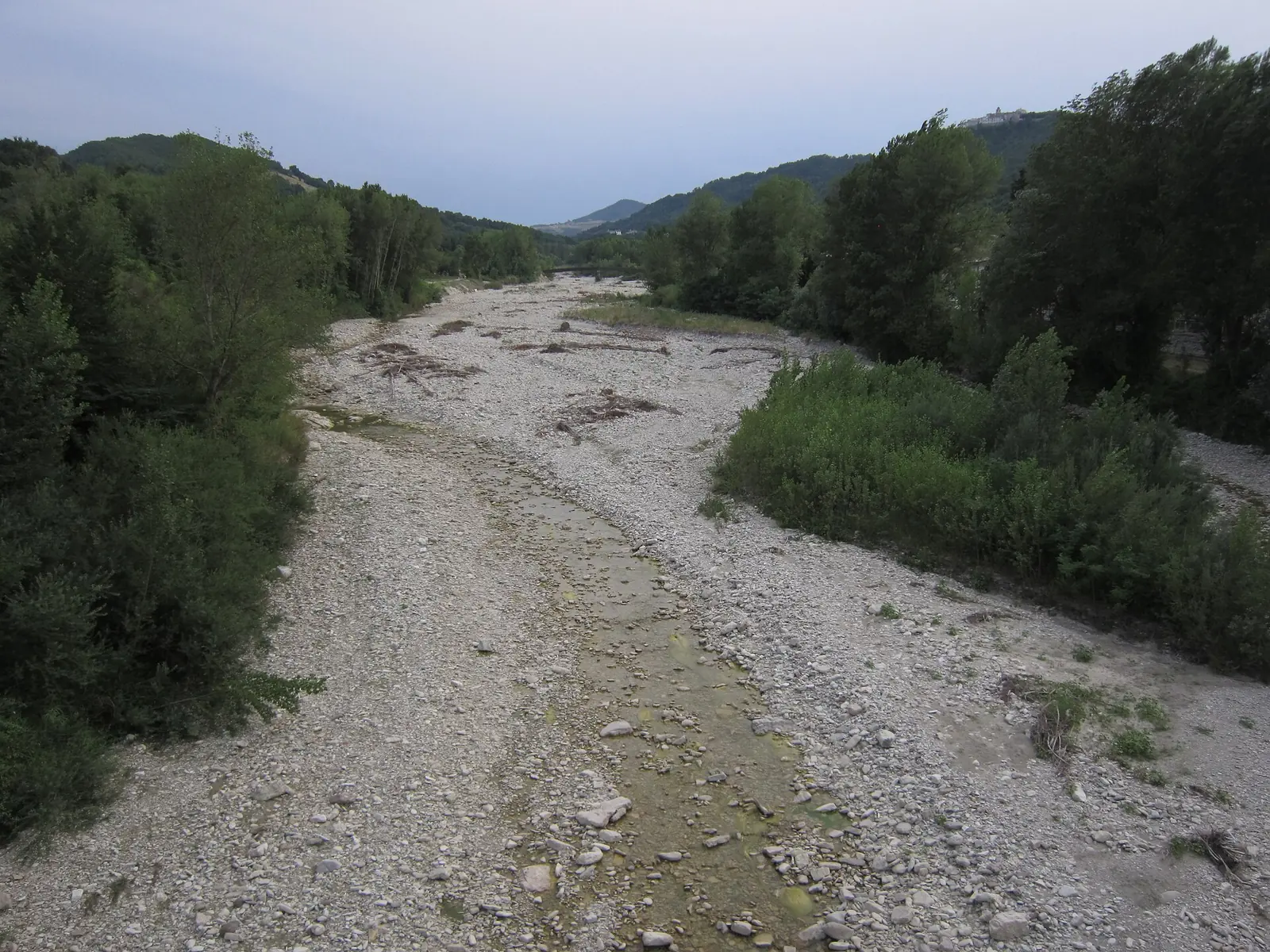
  15. Following the Conca upstream from its mouth

    Beside the Acquario, the Conca mouth introduces a route away from the seafront. Following the river leads towards Morciano di Romagna and San Clemente through the valley landscape. The walk's length depends on the chosen turning point; routes and sections are described in the excursions from Cattolica guide.

    The Conca's gravel bed between wooded banks, photographed at Mercatino Conca in the hinterland
    Photo by Michele1978rimini, Wikimedia Commons, CC BY-SA 4.0
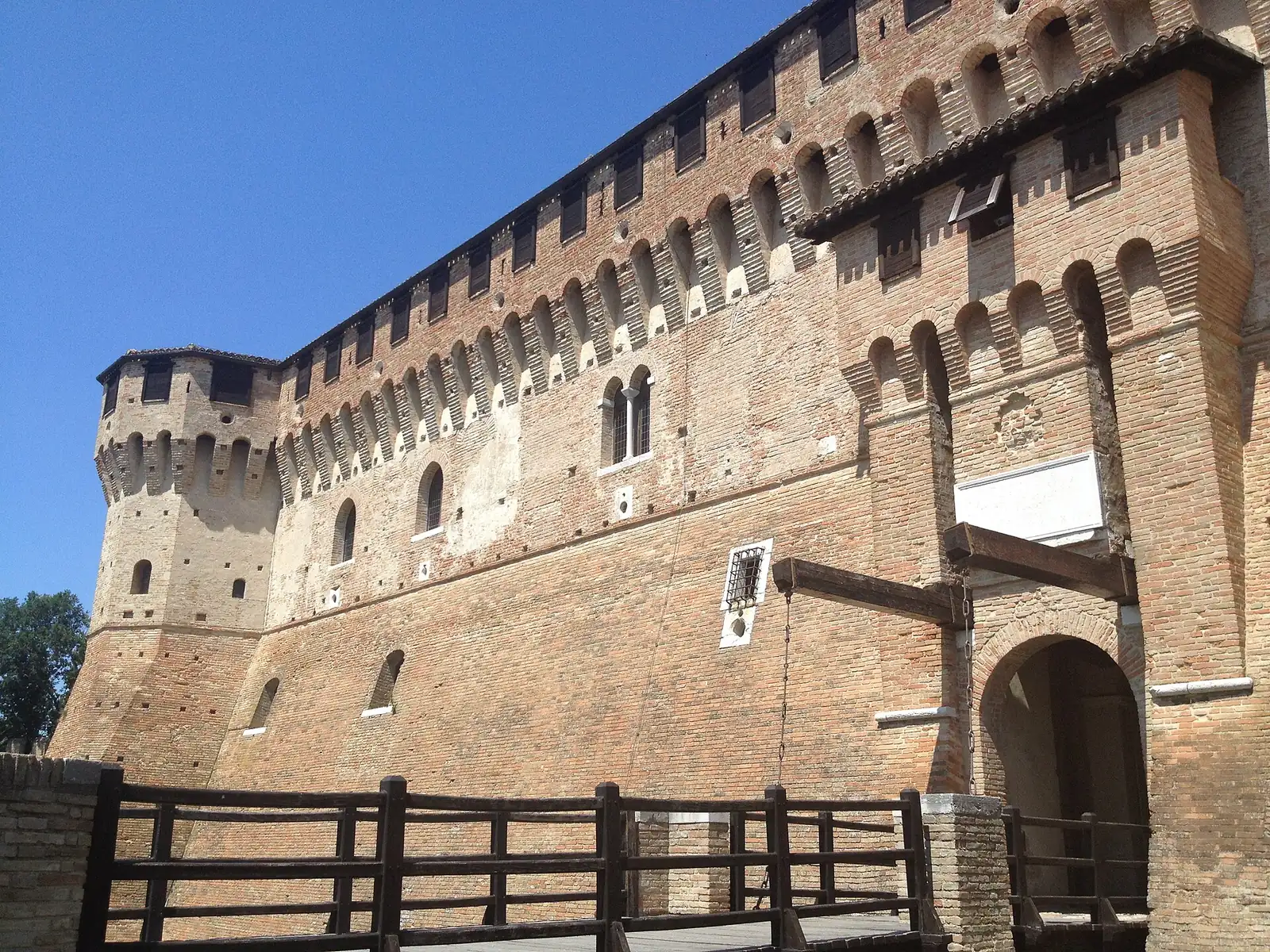
  16. A trip to Rocca di Gradara

    Gradara is in the Marche, across the regional border, and is outside the Romagna part of Valconca. The fortified village and fortress offer a trip devoted to Malatesta history and the walls. Bus links are operated by Adriabus, with different weekday and holiday timetables. The castles and fortresses guide explores the visit.

    The brick wall of Rocca di Gradara with battlements, gateway and wooden drawbridge in the foreground
    Photo by Congolandia.g, Wikimedia Commons, CC BY-SA 4.0
  17. Entering Valconca through San Giovanni in Marignano

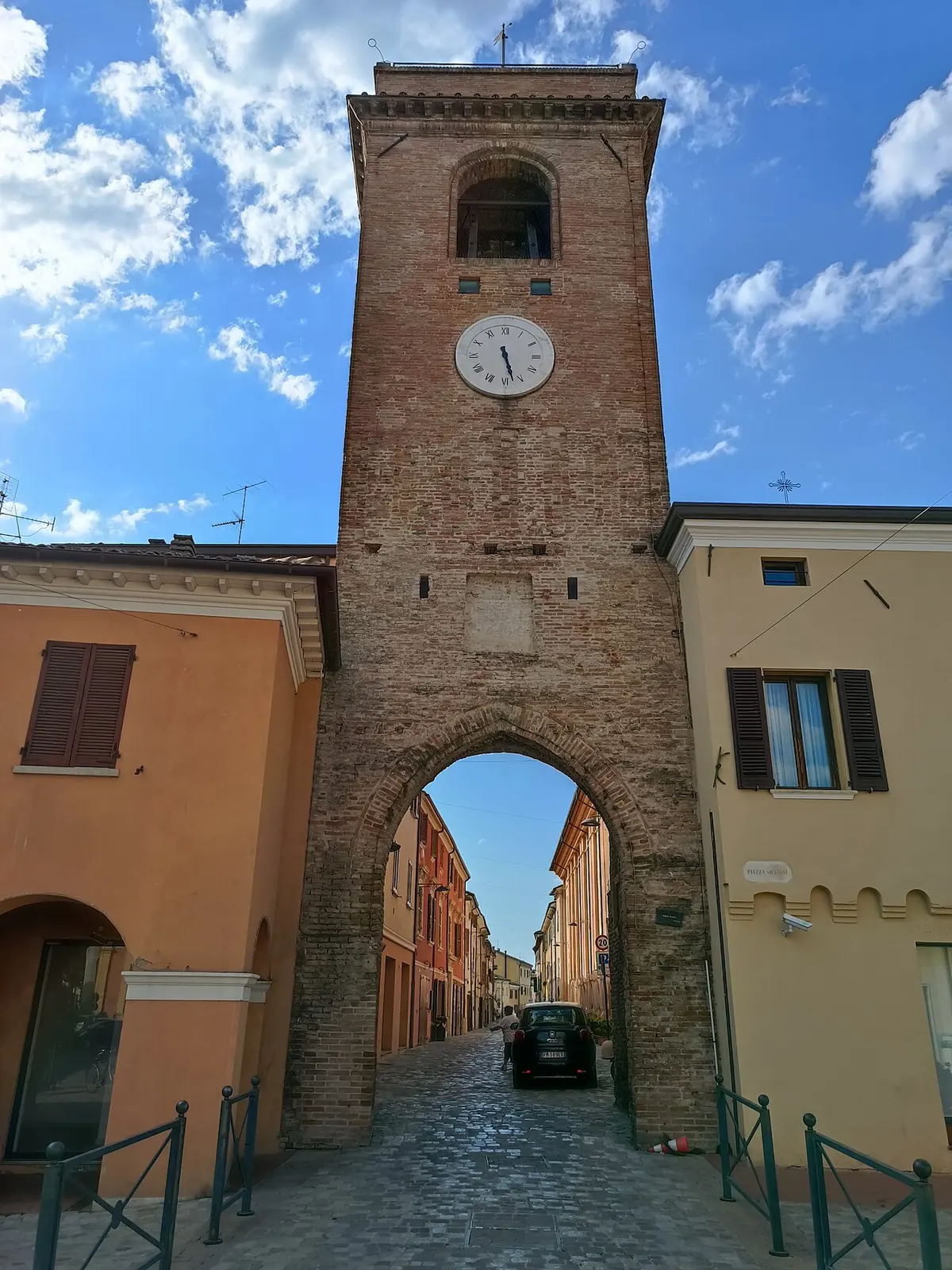
    San Giovanni in Marignano introduces the hinterland through its historic centre and medieval grain pits, used to store cereals. A visit can continue towards Saludecio, Mondaino, Montegridolfo or Montefiore Conca. Without a car, Start Romagna route 134 reaches San Giovanni and Morciano; connections to the higher hilltop villages are described in excursions from Cattolica.

    The civic tower with its clock and arch over the road in San Giovanni in Marignano, against a blue sky
    Photo by Viaggiamocela, Wikimedia Commons, CC BY-SA 4.0
  18. Choosing a performance at Teatro della Regina

    Teatro della Regina, on Piazza della Repubblica, offers an evening out beyond the beach season too. Salone Snaporaz complements the town's programme with other performances and events. The programme is gathered in the entertainment in Cattolica guide.

  19. An evening between the squares and the sea

    Piazza Primo Maggio, Piazza Roosevelt and the seafront are the places to consider for an evening walk. In summer, the programme adds concerts, jazz and outdoor events; at other times the pace changes. The evening areas are described in the evenings in Cattolica guide.

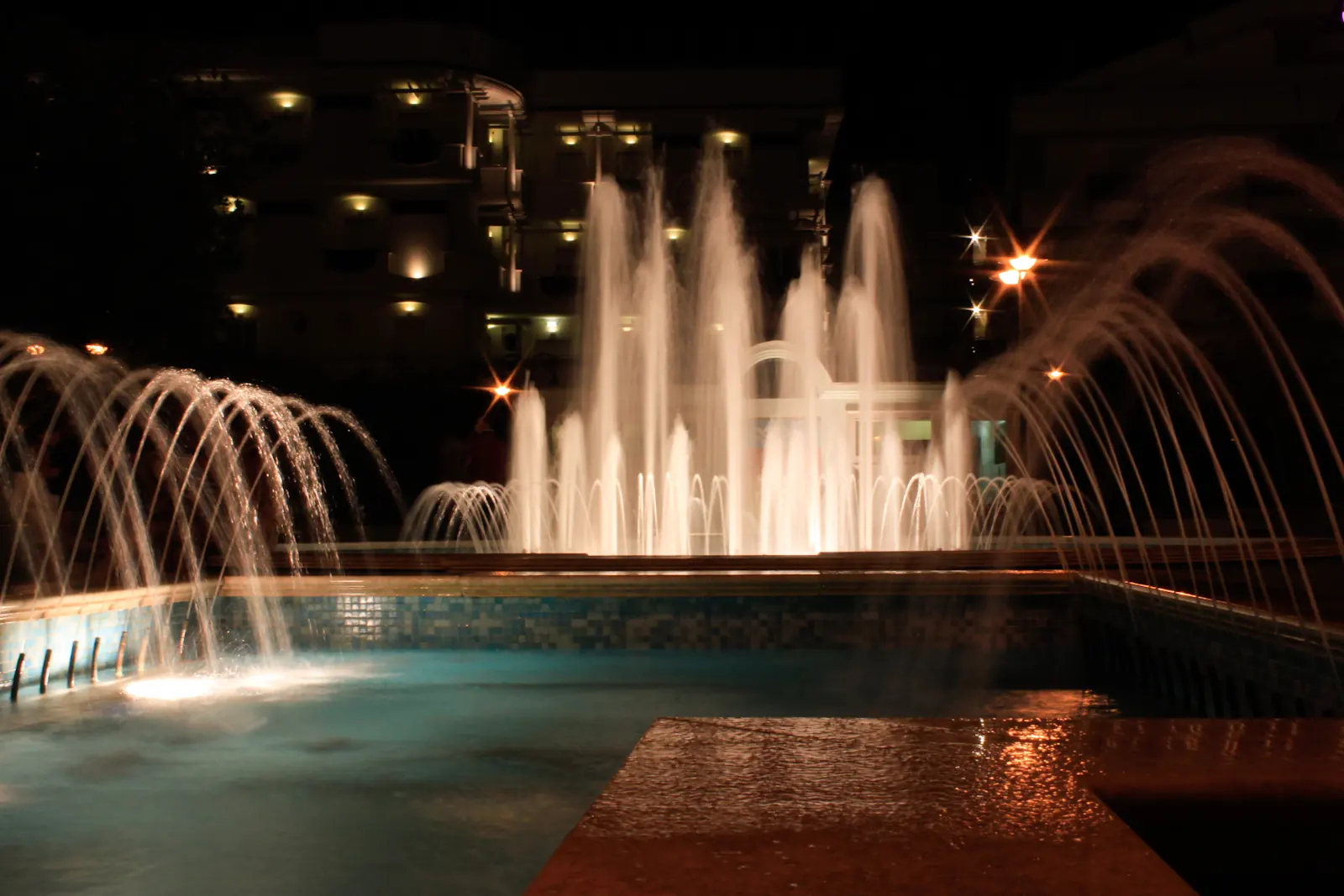
    Illuminated jets from a Cattolica fountain at night, with a building's lit windows in the background
    Photo by Pier B., Wikimedia Commons, CC BY-SA 3.0

Sources: Comune di Cattolica, place listings and Parco della Pace news of 9 October 2026; Cattolica Welcome, guided tours through the history of Cattolica; Regione Emilia-Romagna; Ministero della Cultura. Accessed between 2 and 10 October 2026.

Character

What makes Cattolica different

In Cattolica, harbour, old town and beach remain close together but tell the stories of different periods. The historic town developed along Via Flaminia; the first document naming Catholica dates from 1271. Via Pascoli, Rocca Malatestiana and the former Ospitale per Pellegrini preserve traces of that settlement.

Through that deed, the inhabitants of the castles of Fiorenzuola di Focara, Casteldimezzo, Gabicce and Granarola undertook to build a new fortified settlement, sheltered from raids by the people of Pesaro.

In the 19th century, harbour growth and the connection between the old town and the shore changed the town. Fishing left a heritage of tools, boats and traditions that Museo della Regina still helps to identify today.

Seaside tourism added another landscape: Fontana delle Sirene, the Via Fiume jetty and the Le Navi seaside holiday colony. These nearby stops combine the sea with local history.

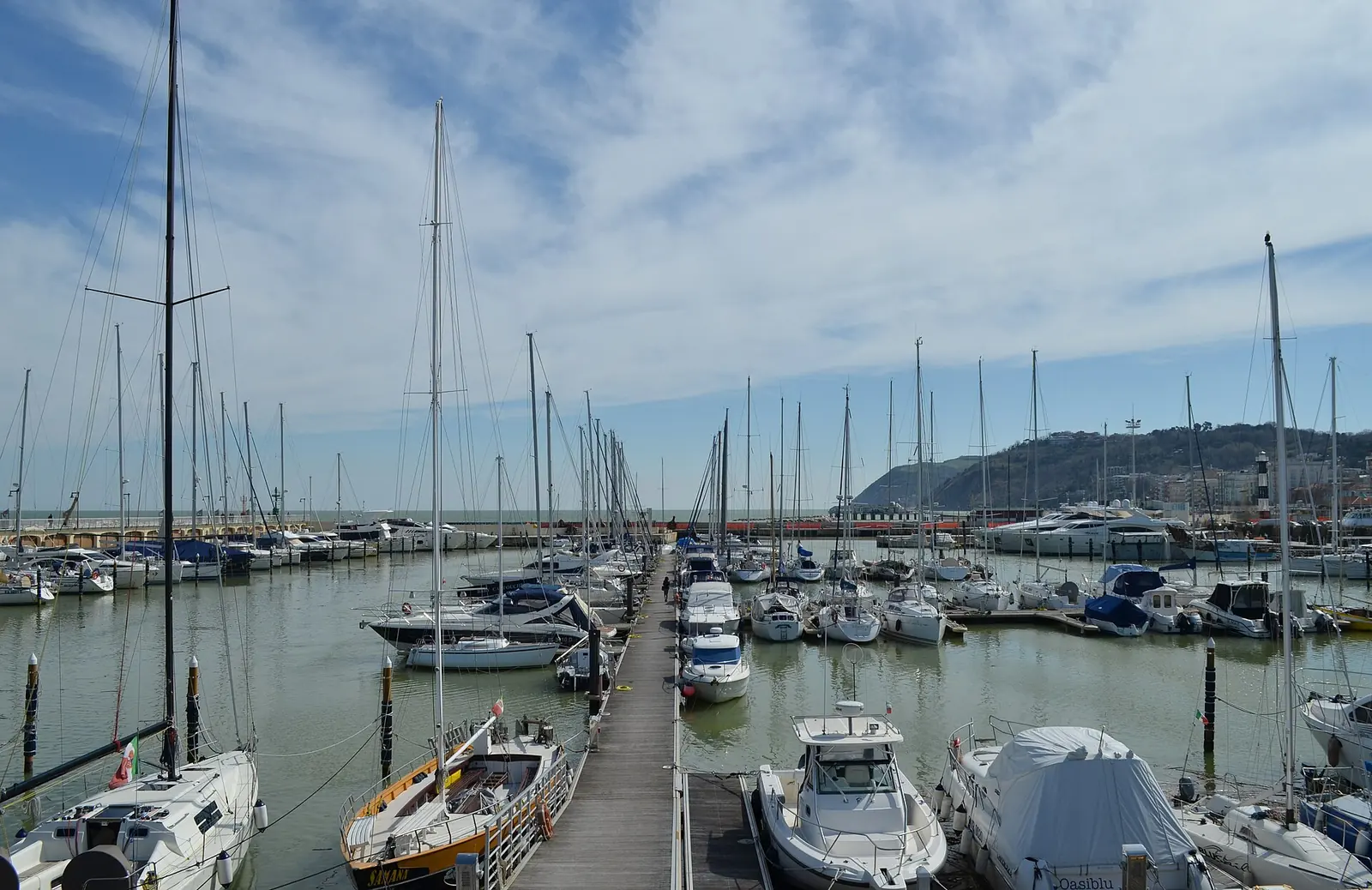
Sailing boats and motorboats moored at jetties in Cattolica harbour, with the headland in the background
Photo by Silvietta 79, Wikimedia Commons, CC BY-SA 4.0

Sources: Cattolica Welcome, La storia di Cattolica; Comune di Cattolica; Museo della Regina listing. Accessed between 2 and 10 October 2026.

Things to see

Other places to see

A walk through the centre can add these stops to the beach and harbour:

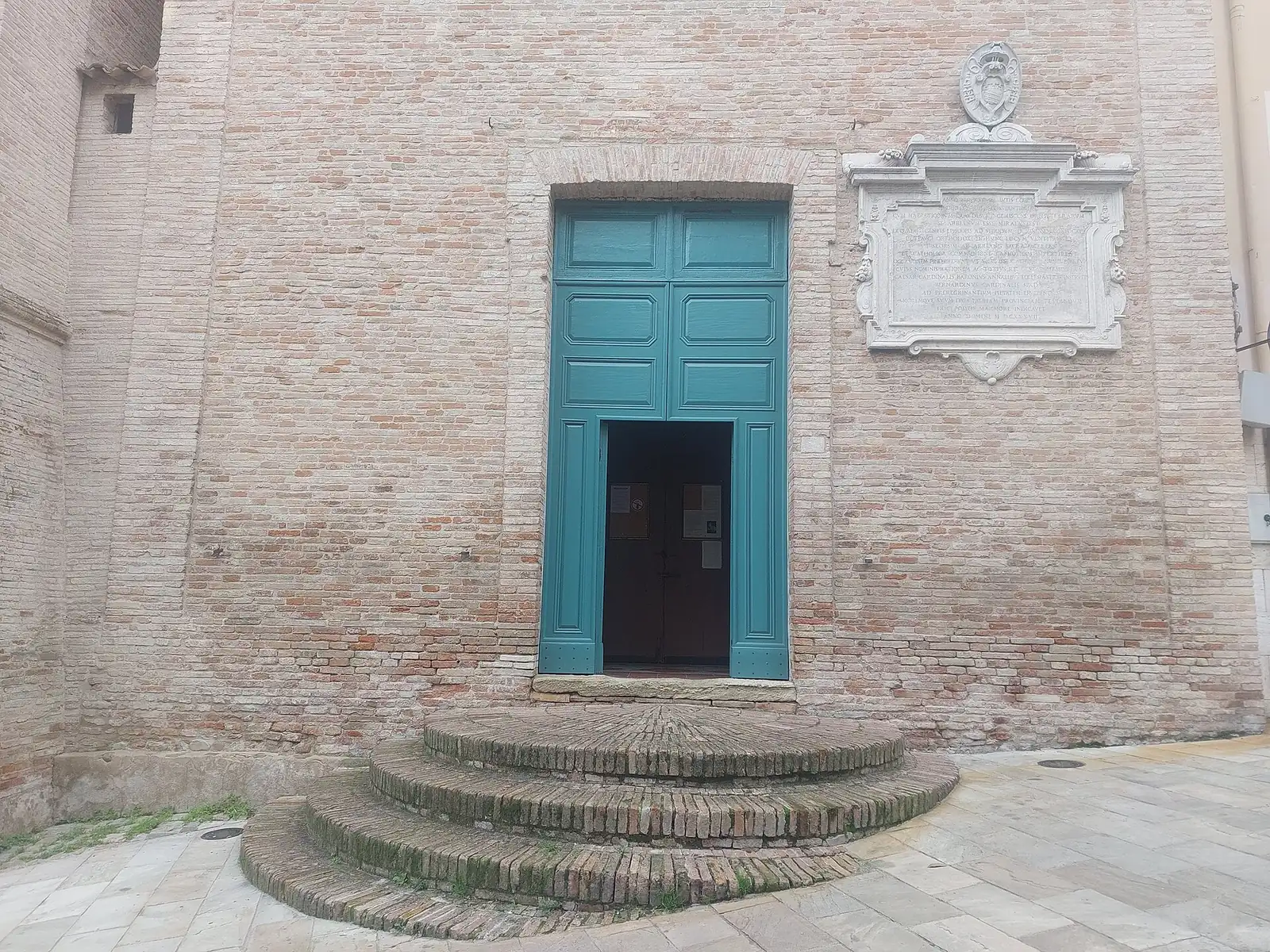
The green doorway and brick façade of Chiesa di Sant'Apollinare, with a large plaque on the wall and steps
Photo by Diego_Baglieri, Wikimedia Commons, CC BY-SA 4.0

Chiesa di Sant'Apollinare

On Via Pascoli, with the present building dating from the 18th century.

Rocca Malatestiana

The fortress stands between Via Mazzini and Via Pascoli. It is privately owned and can only be viewed from outside.

Porta Vercellese

It is a surviving trace of the town's entrances along Via Pascoli.

Galleria comunale Santa Croce

At 21 Via Pascoli, in the former oratory, with temporary exhibitions.

Via Fiume jetty

A landmark for finding the different beach sectors.

Colonia marina Le Navi

The buildings from the 1930s now house the Acquario.

Casa del Pescatore

On Via Enrico Toti, opposite the harbour.

Giardini De Amicis

A green space to combine with the route through the central streets.

Sources: Cattolica Welcome; Comune di Cattolica, place listings and 2025 beach plan. Accessed on 2 October 2026.
The sea

The beach

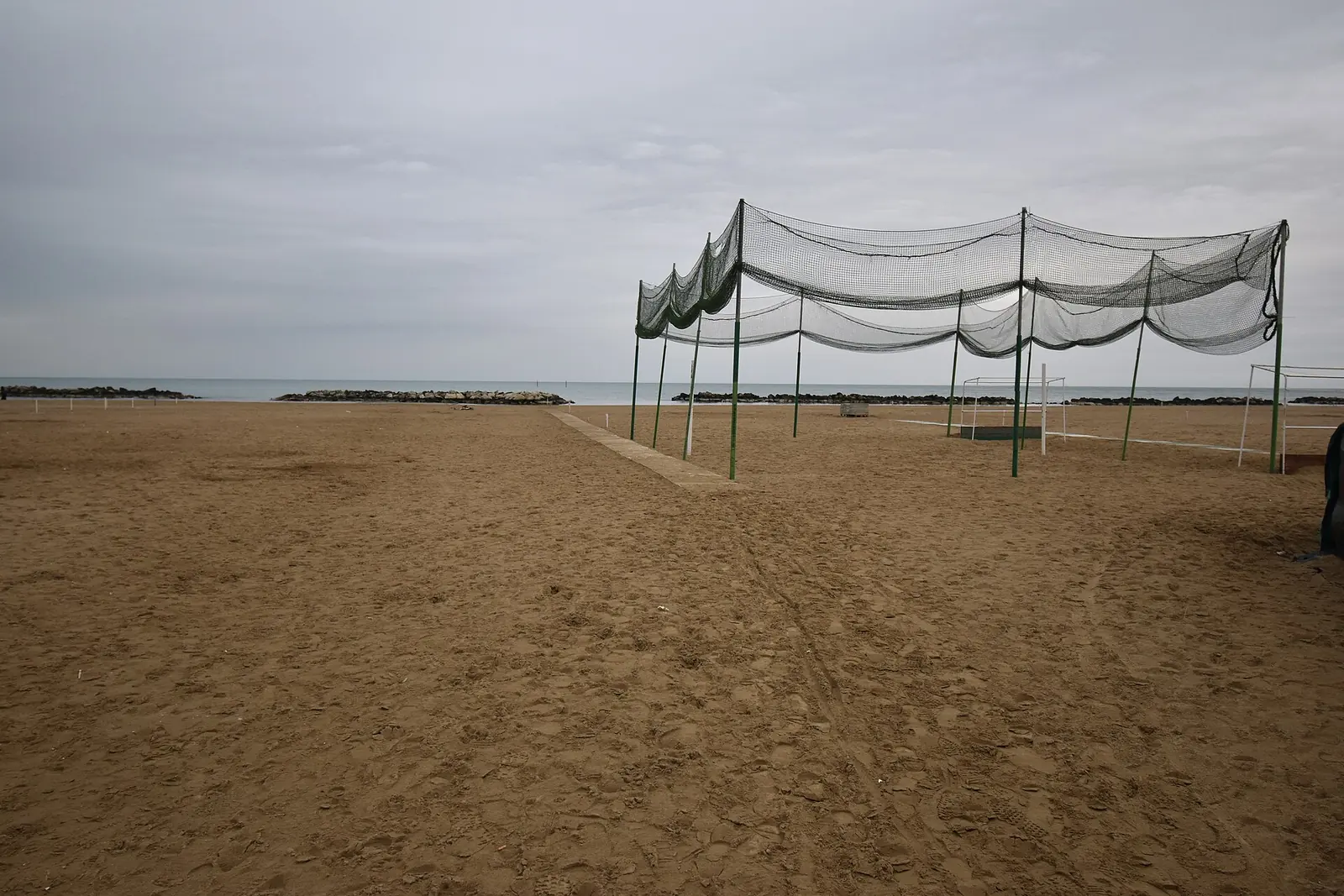
A sandy beach without parasols, with protective netting, breakwaters and the sea beneath an overcast sky
Photo by Fred Cherrygarden, Wikimedia Commons, CC BY-SA 4.0

Cattolica beach extends from the harbour on the Tavollo to the Conca mouth, with 2,185 metres of seafront under the 2025 beach plan. The Via Fiume jetty divides Levante and Ponente. Breakwaters parallel to the coast and a gradually sloping seabed are features of the bay.

Towards the harbour, the walk connects to Lungomare Rasi Spinelli; towards the Conca, the Acquario area is the landmark.

For 2026, four of the five bathing waters are classified as good and one as excellent, and the resort has Blue Flag status; any temporary bathing bans are signposted on site.

Sources: Comune di Cattolica, 2025 beach plan and Blue Flag 2026 news; Regione Emilia-Romagna, DGR n. 561/2026. Accessed on 2 October 2026.
All about Cattolica beach

Food

Where to eat

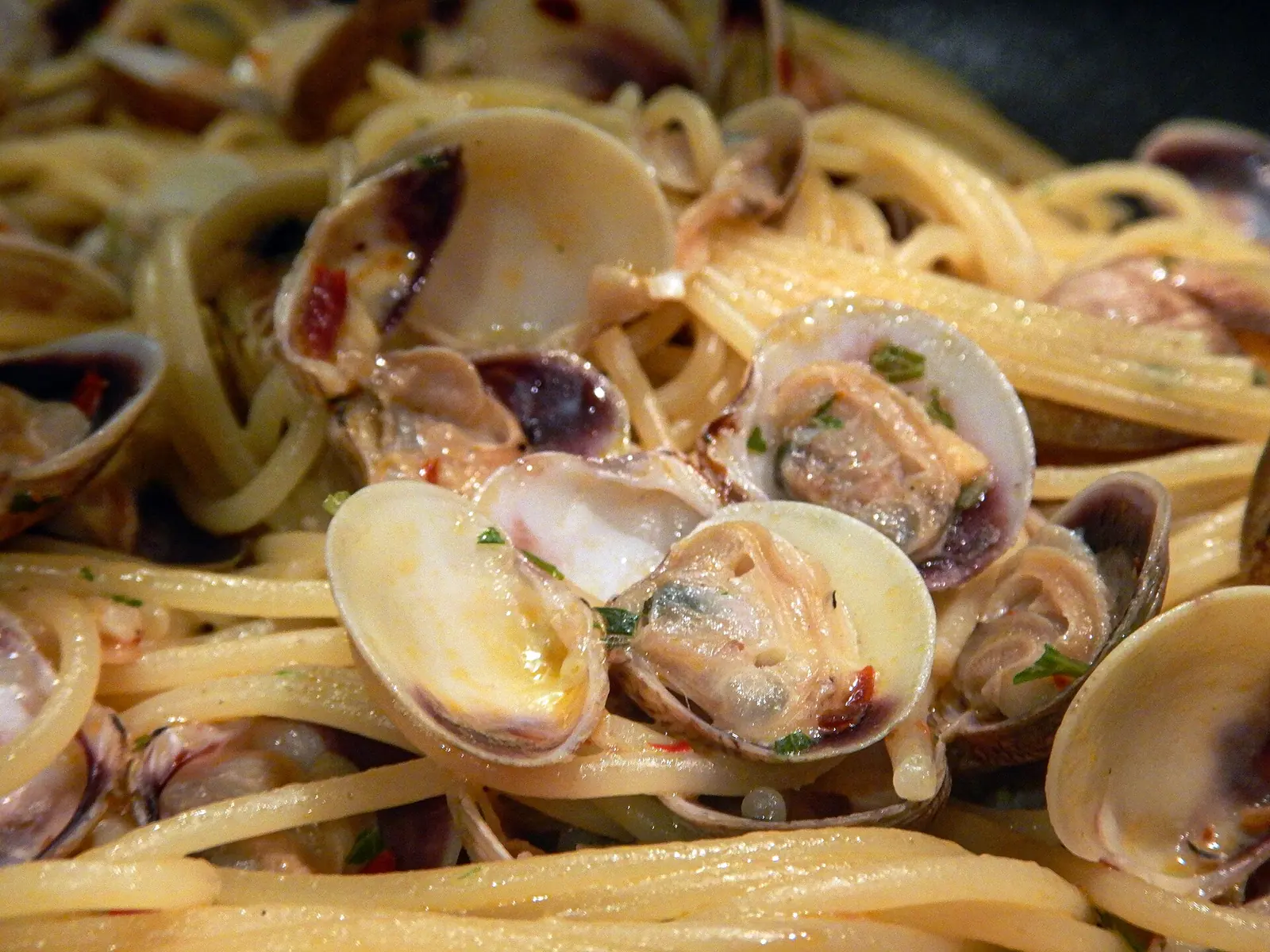
A close-up of a plate of spaghetti with clams
Photo by Albarubescens, Wikimedia Commons, CC BY-SA 4.0

Clams and seafood are the most direct link between Cattolica's table and harbour. Poveraccia is an Adriatic clam; clam brodetto, poveracce soup and mussels au gratin are traditional preparations from the Rimini area.

Bizulà and miacetto add two specialities unique to the town. The former is a ring-shaped twice-baked bread linked to sailors, the latter a Christmas cake. Ingredients and traditions are explored in the Cattolica cuisine guide.

Sources: Cattolica Welcome; Regione Emilia-Romagna, traditional food products. Accessed on 25 September and 2 October 2026.

Where to eat in Cattolica

Place guides

Places in Cattolica

Every place to visit has its own dedicated guide.

Connections

Getting there and getting around

By car

The A14 serves the resort through the Cattolica-S.Giovanni-Gabicce exit. Street parking in town is chargeable in the Centro, Violina-Porto and Mare zones every day of the year.

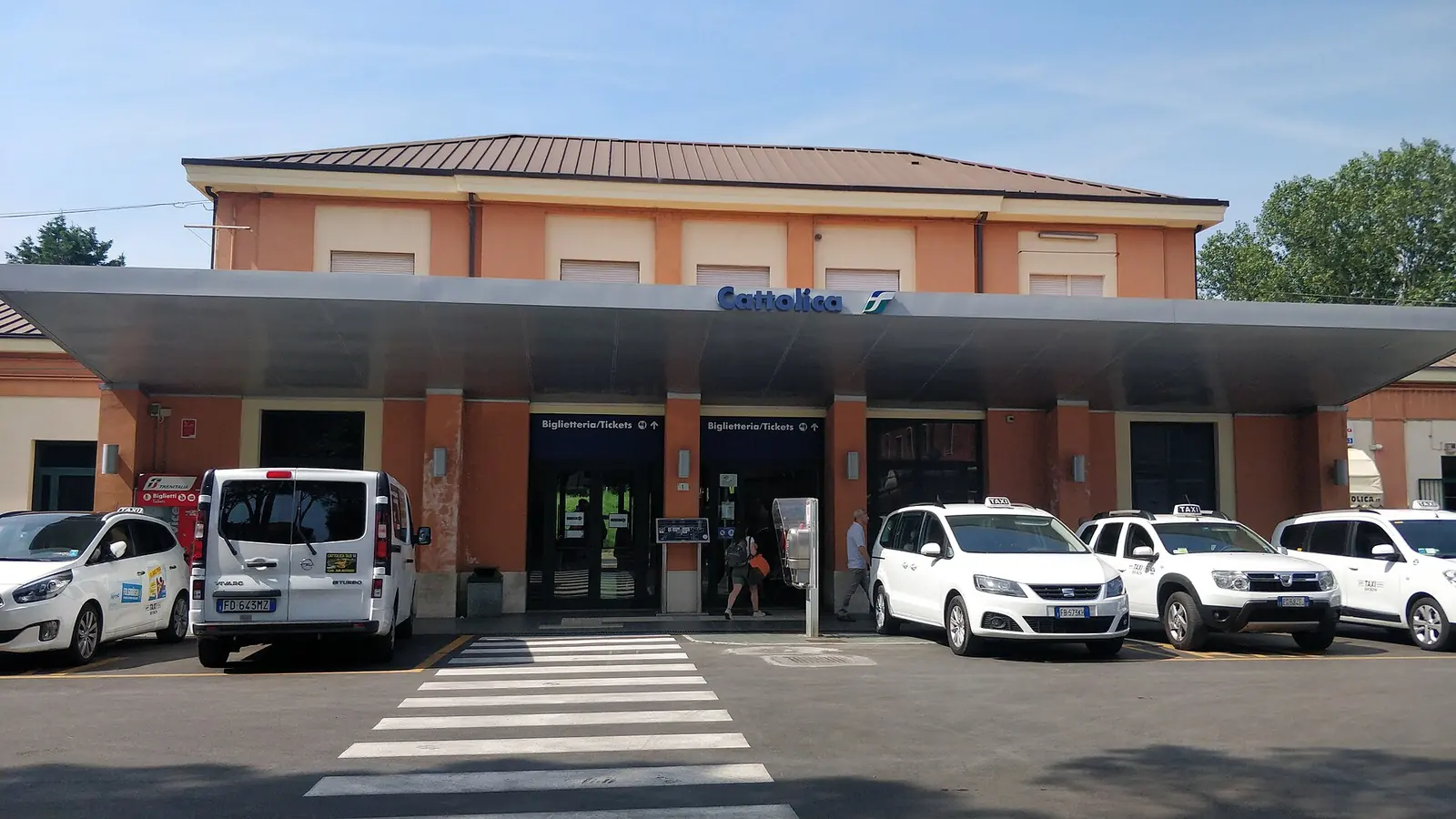
Cattolica station building, with its canopy and some taxis parked outside
Photo by Jcornelius, Wikimedia Commons, CC BY-SA 4.0

By train and air

Cattolica-S.Giovanni-Gabicce station is within Comune di Cattolica. It also serves nearby Gabicce Mare, on the Bologna-Ancona line. Aeroporto Federico Fellini is in Rimini Miramare, south of Rimini.

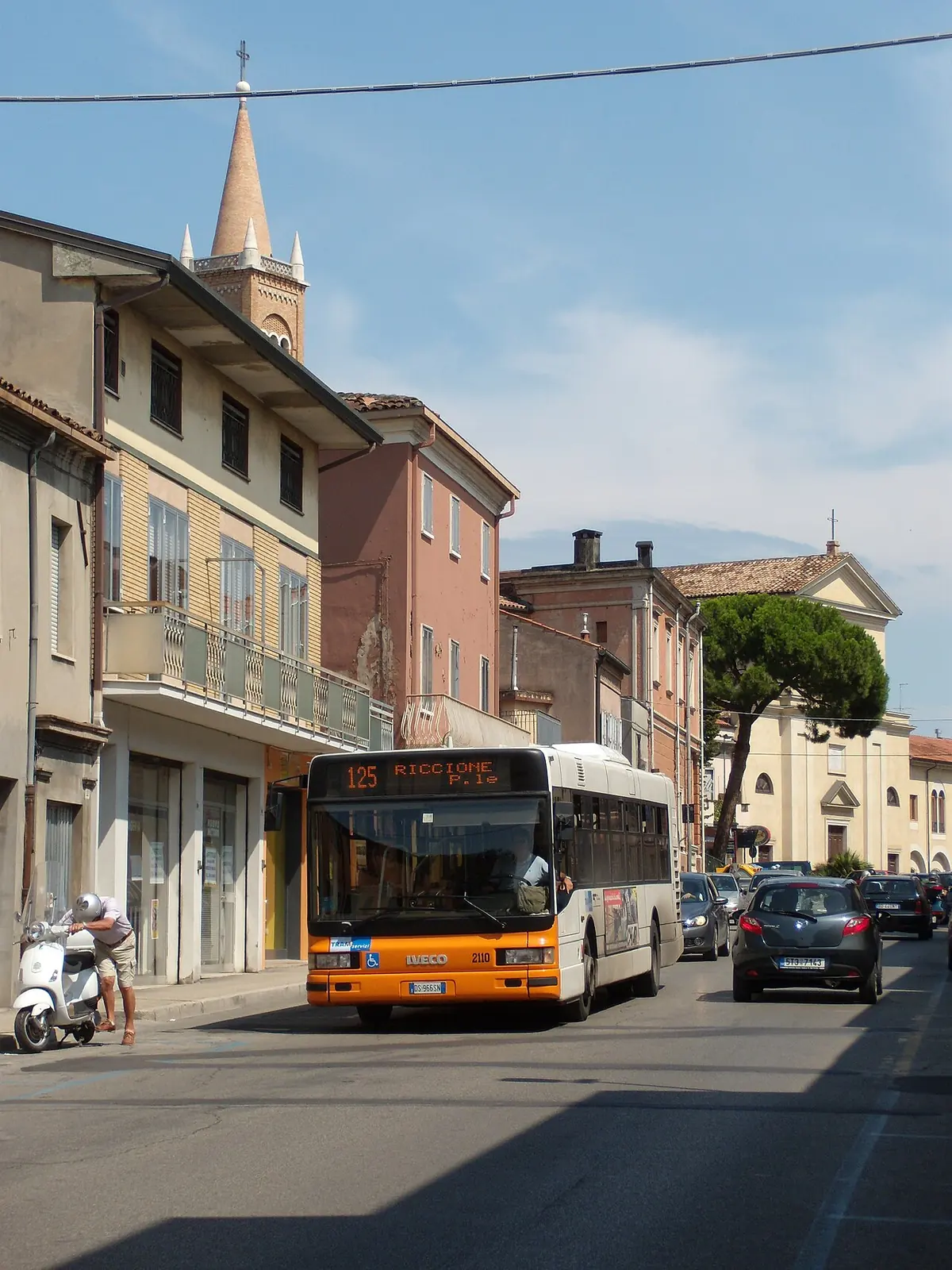
A route 125 bus displaying Riccione as its destination on a Cattolica street, with a church bell tower in the background
Photo by Van Loon, Wikimedia Commons, CC BY 3.0

Getting around town

Start Romagna route 125 links Cattolica with Misano Adriatico and Riccione, passing through the Le Navi area. For the hinterland, route 134 and connections towards Valconca are the main links. Adriabus serves Gabicce Mare, Gradara and Pesaro. The movable bridge over the Tavollo allows pedestrians to cross between Cattolica and Gabicce Mare, opening for boats. Timetables are published by Start Romagna for routes 125 and 134 and by Adriabus.

Sources: Comune di Cattolica; RFI; Start Romagna, routes 125 and 134; Adriabus timetables. Accessed between 2 and 8 October 2026.

Seasons

When to visit

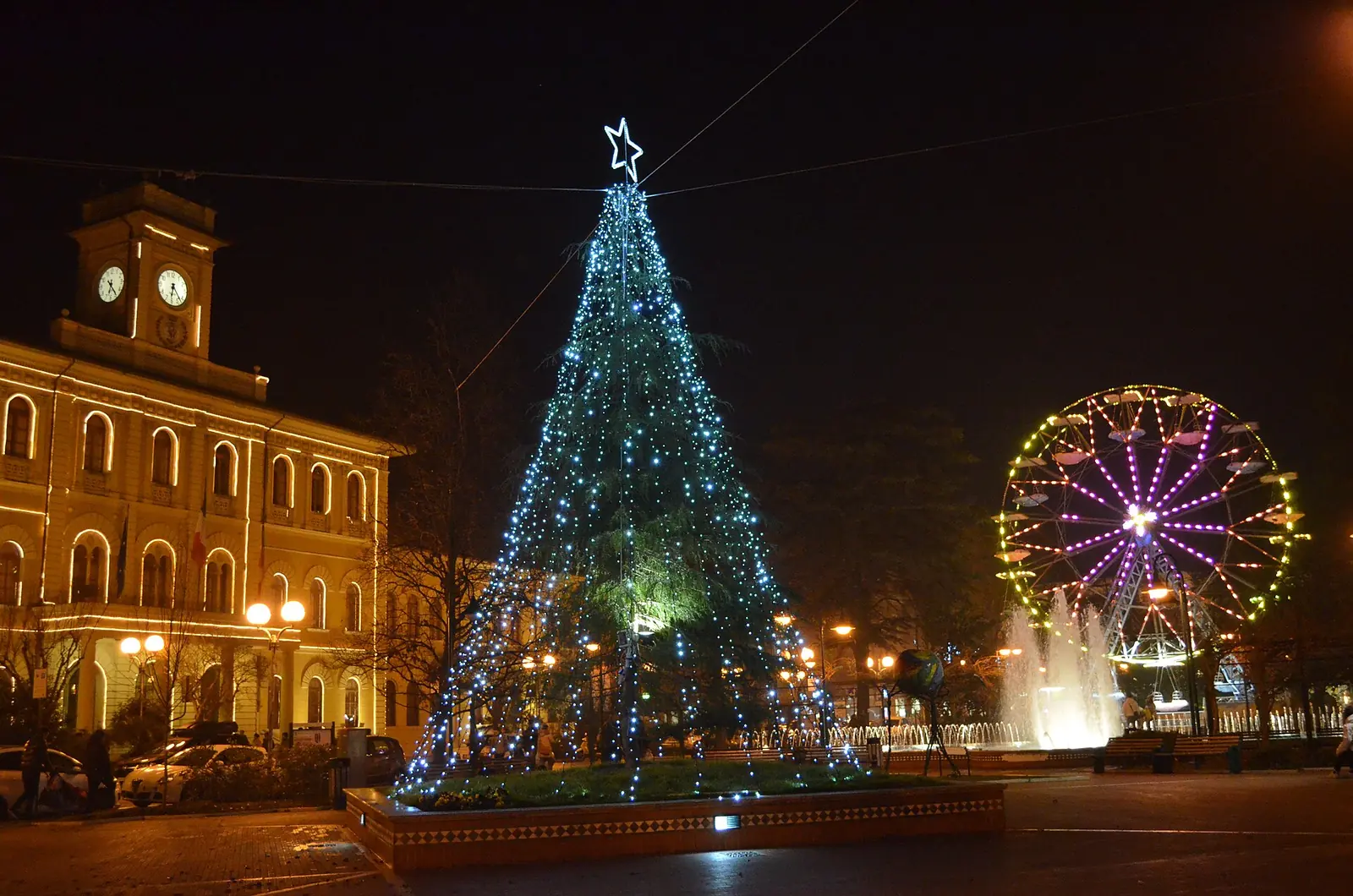
The illuminated Christmas tree in front of Cattolica town hall, with a lit observation wheel on the right
Photo by Silvietta 79, Wikimedia Commons, CC BY-SA 4.0

Summer is the focus for beach holidays; spring and early autumn allow the sea to be combined with the old town and day trips. In the colder months, Museo della Regina and performances at Teatro della Regina offer other reasons to visit.

The table pairs Arpae's 1991-2020 climate averages with 2025 overnight stays, meaning nights spent in accommodation.

MonthAverage minimum (°C)Average maximum (°C)Rainfall (mm)Overnight stays in 2025
January2.28.152.09,899
February2.79.958.09,085
March5.813.866.412,354
April9.117.563.755,655
May13.322.161.489,878
June17.226.458.5318,560
July19.328.845.8435,314
August19.428.647.4488,660
September15.624.183.1171,483
October12.019.186.025,191
November7.913.787.511,822
December3.29.279.911,749

In 2025, Cattolica recorded 1,639,650 overnight stays and 356,232 arrivals. May to September accounts for 91.7% of overnight stays, with an average stay of around 4.6 nights, calculated from regional data. Areas and types of stay are described on the hotels in Cattolica page.

Each season has its activities and regular events. Dates and programmes for individual editions are in the events calendar; outside summer, the Acquario opens only on the days listed in its calendar.

SeasonThings to doRecurring events
SpringOld town and Museo della Regina, walk between Piazza Primo Maggio and the harbour, trips to Gradara and ValconcaFogheraccia di San Giuseppe on 18 March; Gusto di vivere at Easter; Cattolica in Fiore between late April and early May; Granfondo Squali in May
SummerBeach between the harbour and the Conca, Acquario, evenings in the squaresNotte Rosa in June; MystFest between late June and early July; JaZzFeeling on Thursdays in July and August; Ferragosto fireworks on 15 August
AutumnHarbour and fishing basin, Parco della Pace, walk along the ConcaStreet Fish, Modcast and Cattolica Ride Week in September; Teatro della Regina season from November to April
WinterTheatre, Museo della Regina, festive lights in the centreFestive lights and Christmas programme from late November to 6 January; New Year's Day swim on the morning of 1 January

Sources: Arpae Emilia-Romagna, climate averages 1991-2020; Regione Emilia-Romagna, 2025 tourism demand; Comune di Cattolica, cattolicawelcome.it tourism portal and Acquario website, event listings for the 2024-2026 editions; Teatro della Regina, 2026-27 season. Accessed between 2 and 11 October 2026.

Useful answers

Frequently asked questions about Cattolica

What to see in Cattolica in one day?

A day on foot brings together the old town, sea and harbour. The route can start on Via Pascoli, with Chiesa di Sant'Apollinare, an outside view of Rocca Malatestiana and free entry to Museo della Regina; it then leads down to Piazza Primo Maggio and Fontana delle Sirene, following Lungomare Rasi Spinelli to the fishing basin. On its scheduled opening days, Acquario di Cattolica, housed in the buildings of the Le Navi seaside holiday colony, can be added.

What to do in Cattolica in the evening?

The main walk runs between Piazza Primo Maggio, Piazza Roosevelt, the seafront and the harbour. In summer, Piazza Roosevelt hosts free JaZzFeeling concerts on Thursdays, Piazza della Repubblica hosts the Arena della Regina programme and Parco della Pace hosts OUT! open-air cinema; evening markets also take place during those weeks. From November to April, Teatro della Regina and Salone Snaporaz are the evening destinations. The nightlife areas are described on the evenings in Cattolica page.

What to do in Cattolica in winter?

From November to April, Teatro della Regina offers plays, music, dance and family Sundays. From late November to Epiphany, festive lights and the Christmas programme bring Piazza Nettuno and the central squares to life, while the New Year's Day swim takes place on the morning of 1 January on the free beach in front of Piazza Primo Maggio. Museo della Regina explores archaeology and maritime life with free entry; Rocca di Gradara, in the Marche, is accessible by Adriabus buses in winter too.

What is the sea like in Cattolica?

Cattolica has a sandy beach with 2,185 metres of seafront between the harbour on the Tavollo and the Conca mouth; breakwaters parallel to the shore protect the bay, and the seabed slopes gradually. For 2026, the Regione classified four bathing waters as good and one as excellent, and the resort has Blue Flag status. A stretch of free beach lies in front of Parco Le Navi; the Via Fiume jetty separates the Levante and Ponente sectors.

How to reach Gradara from Cattolica?

Gradara is in the Marche, across the regional border. Without a car, it is accessible on Adriabus routes 130 and 131, linking Cattolica, Gabicce Mare, Gradara and Pesaro all year, with different weekday and holiday timetables; in summer, a tourist train also runs from Gabicce Mare. The fortress and village are described in the castles and fortresses guide, with timetables on the Adriabus website.

Which area of Cattolica is best to stay in?

The tourism portal divides accommodation into three areas: the centre, reaching the sea at Piazza Primo Maggio; the northern area, towards the Conca, Acquario and Misano Adriatico; and the southern area, towards the harbour and Gabicce Mare. Cattolica-San Giovanni-Gabicce station is further inland. In 2025, the Regione counted 223 hotel establishments, 204 of them seasonal: outside summer, a property's opening dates matter, as explained on the hotels in Cattolica page.

Sources: Comune di Cattolica and cattolicawelcome.it tourism portal, place, Museo della Regina and event listings for the 2024-2026 editions; Teatro della Regina, 2026-27 season; Regione Emilia-Romagna, DGR n. 561 of 20 April 2026 and 2025 hotel data; Comune di Cattolica, 2025 beach plan; Adriabus timetables. Accessed between 2 and 11 October 2026.

Further information

All Cattolica sections

Each topic has its own dedicated guide.