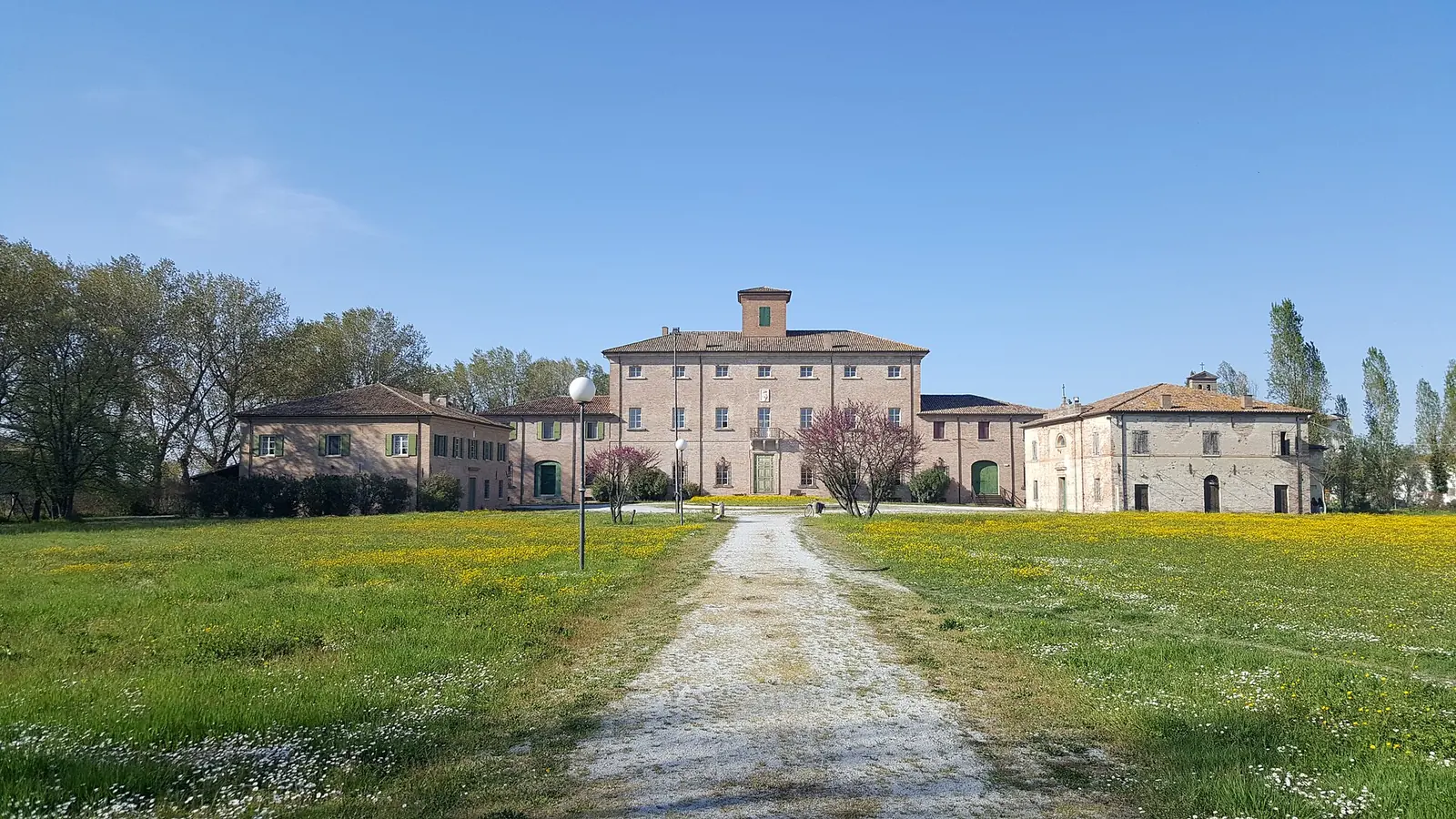
Photo by Marco Musmeci, Wikimedia Commons, CC BY-SA 4.0
Bellaria Igea Marina
Excursions from Bellaria Igea Marina
From Bellaria Igea Marina, Sentieri per l'Uso leads towards Villa Torlonia in San Mauro Pascoli, linking a riverside walk to places associated with Giovanni Pascoli. A short outing can stay between harbour, Borgata Vecchia and town museums. Santarcangelo and Savignano sul Rubicone are destinations for a hinterland day trip.
Sentieri per l'Uso to Villa Torlonia
The route follows the Uso and Rio Salto along gravel roads and marked trails. The Comune lists around 6 kilometres to Villa Torlonia: the return must be added to the plan, alongside time for the visit. The starting point is accessible from Via Fornace or the Via Ravenna bridge.
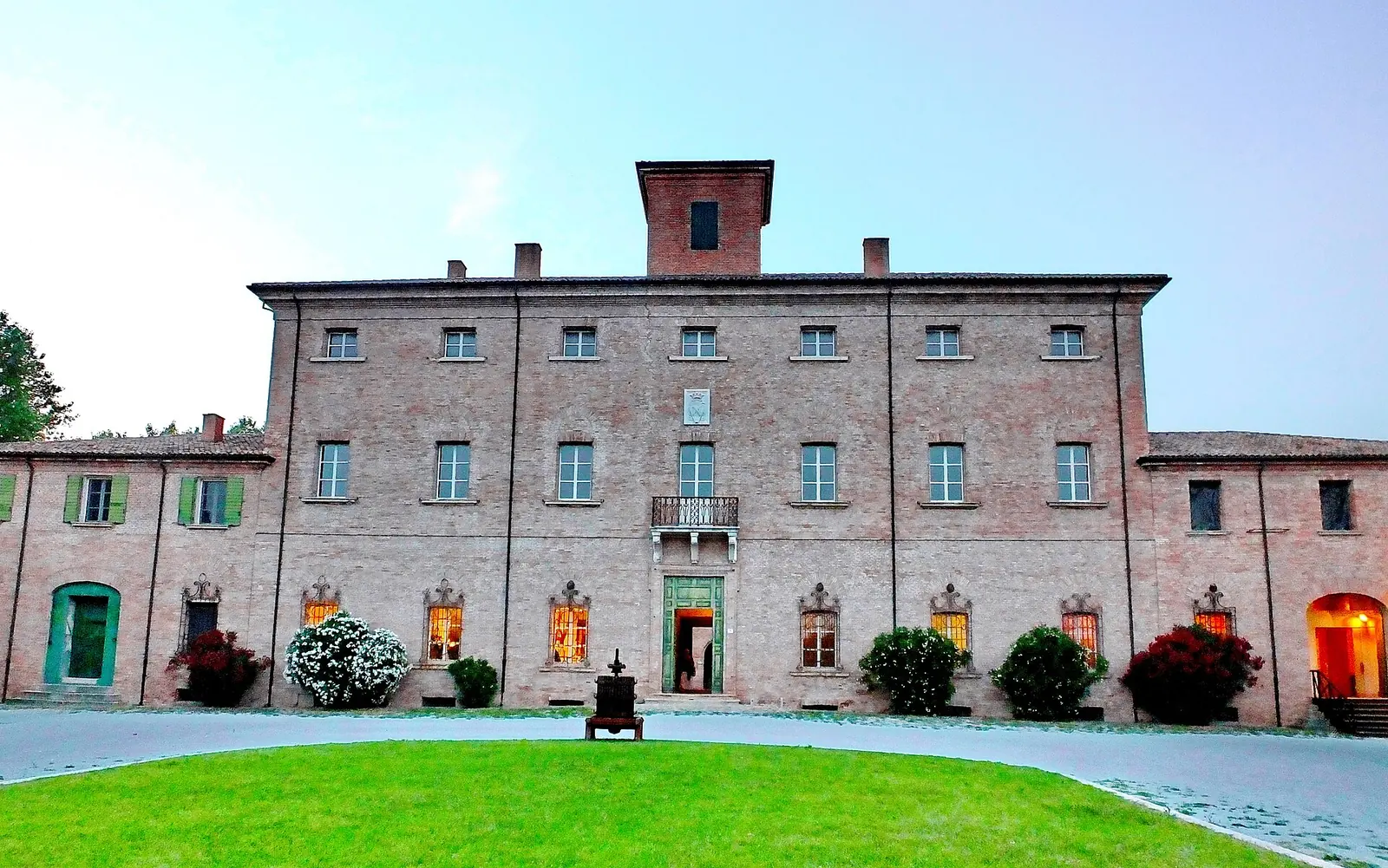
The trail first follows the right bank of the Uso upstream. The Castrum Lusi footbridge crosses to the left bank to continue towards the Rio Salto confluence, the stream recalled in La cavallina storna. The route continues along the banks to the Isola and Buda farms and Villa Torlonia complex.
Rest areas lie along the route. The surface is not entirely paved and some stretches climb: for cycling, dirt-track conditions matter, especially after rain. Parco della Fornace, near the start, can be a stop for a shorter circuit around the lake.
For a loop, the return variant described by the Comune passes the Ca' Uso footbridge and reaches Igea Marina on gravel and paved roads around Donegallia and Bordonchio. Castello Benelli, a private residence, lies along the circuit.
Giovanni Pascoli sites in San Mauro
Villa Torlonia, known as La Torre, was the centre of the estate managed by Ruggero Pascoli. The poet's family lived there from 1862 to 1867. His father left here on 10 August 1867 in a carriage drawn by the dapple-grey mare and was killed by unknown assailants while returning from Cesena market: this is the story of the poem. In the villa cellars, the multimedia museum revisits that world and Pascoli's texts.
Casa Pascoli, at 46 Via Pascoli in the village centre, is a second destination, separate from the trail's arrival at the villa. The birthplace was rebuilt after wartime destruction; the kitchen retains its original setting, and the garden recalls plants from the poems. Both sites open Tuesday to Sunday and close on non-holiday Mondays, 25 December and 1 January; hours and bookings are published by Parco Poesia Pascoli.
A walk between museums and Bellaria streets
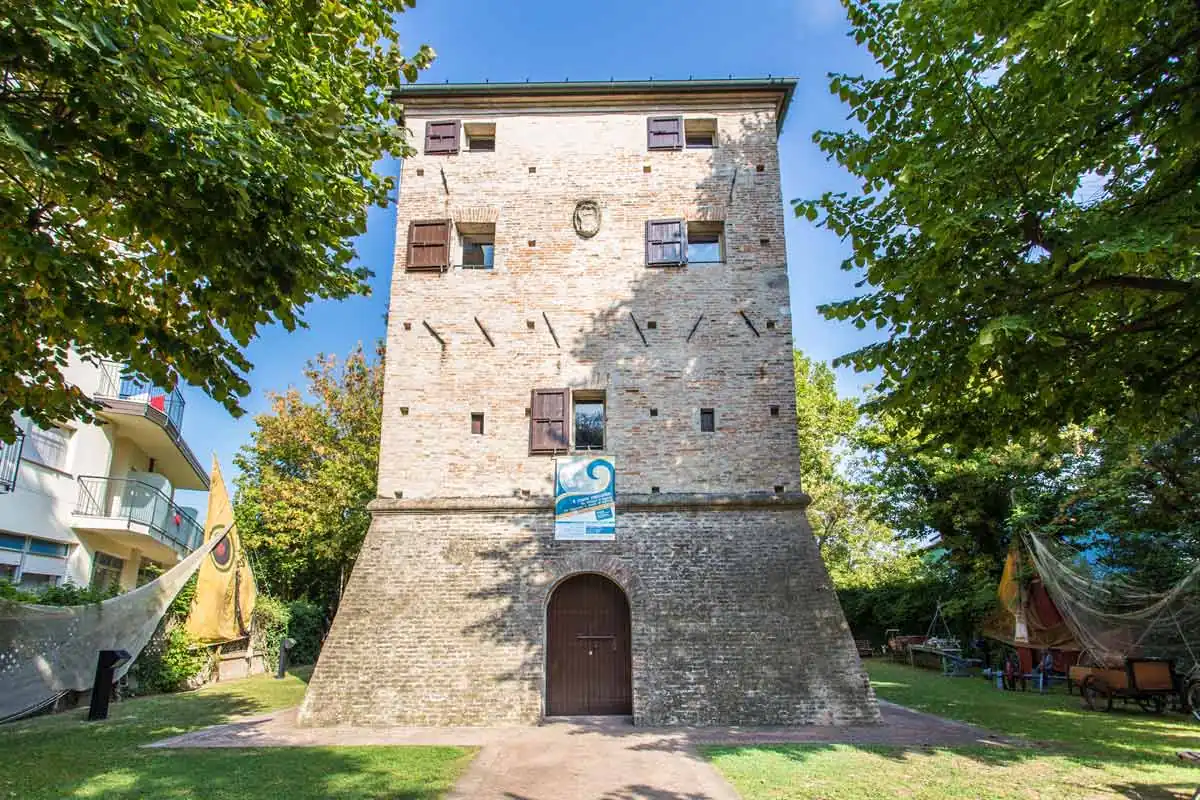
Torre Saracena and Museo delle Conchiglie link the urban visit to maritime history. The tower was built in 1673 against raids from the sea; Giardino delle Vele houses traditional boats with lug sails.
Casa Rossa di Alfredo Panzini offers another literary route, linked to the villa purchased by the writer in 1909. Museo della Radio d'Epoca, on Piazzale Gramsci, adds a visit devoted to equipment and radio history.
Between stops, Isola dei Platani follows pedestrian Viale Paolo Guidi. In Borgata Vecchia, wall paintings on Via Romea and Via Ionio accompany the walk through the historic core near the Uso. In Igea Marina, Parco del Gelso instead offers a green route around the lake, separate from the San Mauro trip.
The harbour and trips out to sea
The canal harbour offers a walk along the quays to the pier and views of the boats. Its banks belong to Bellaria and Igea Marina; the movable bridge upstream of the railway links them, and local signals must be followed during operations.
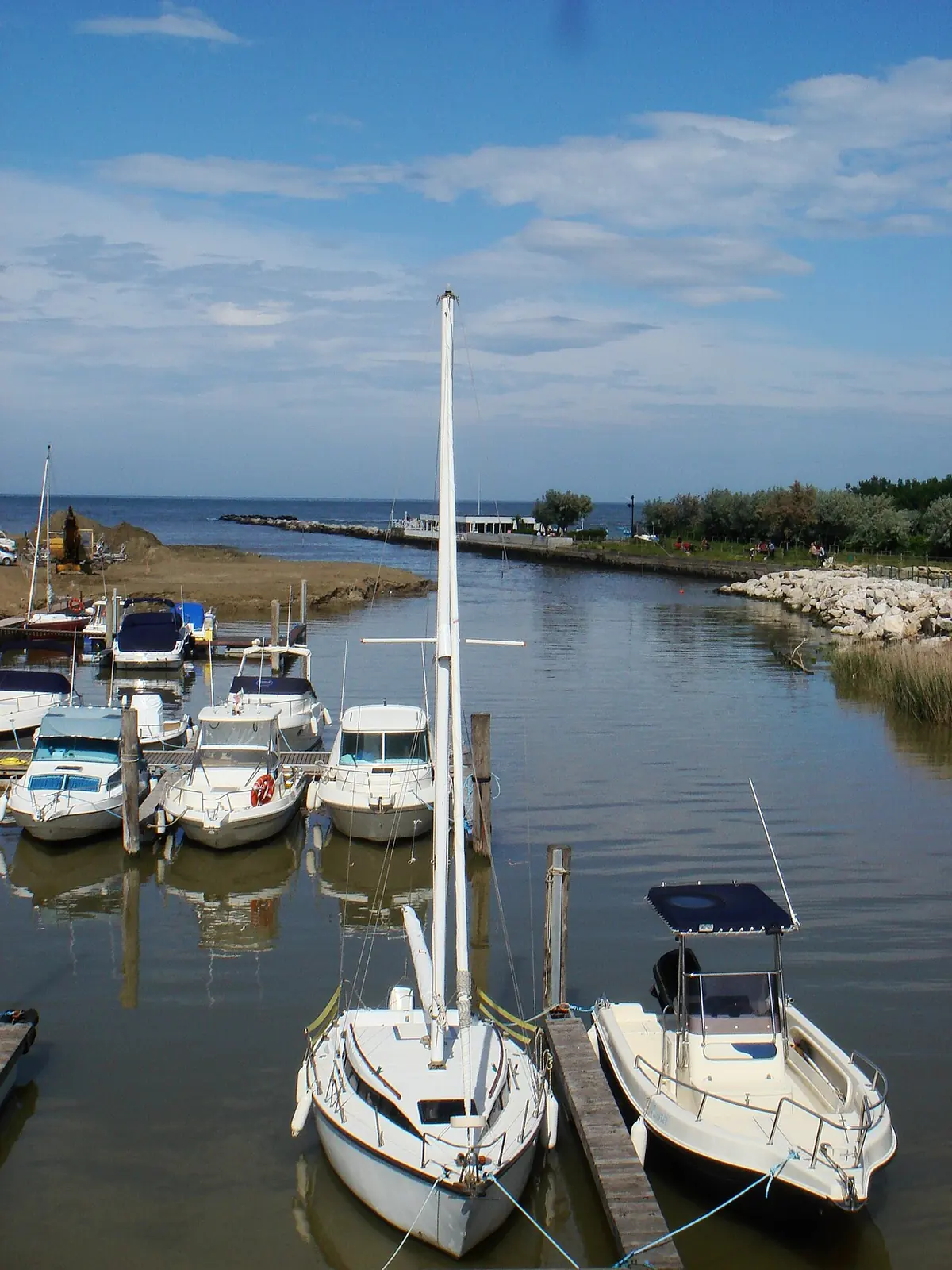
In summer, sea trips depart from the harbour on individual dates set by the seasonal programme: they require booking and depend on sea conditions.
Santarcangelo and Savignano sul Rubicone
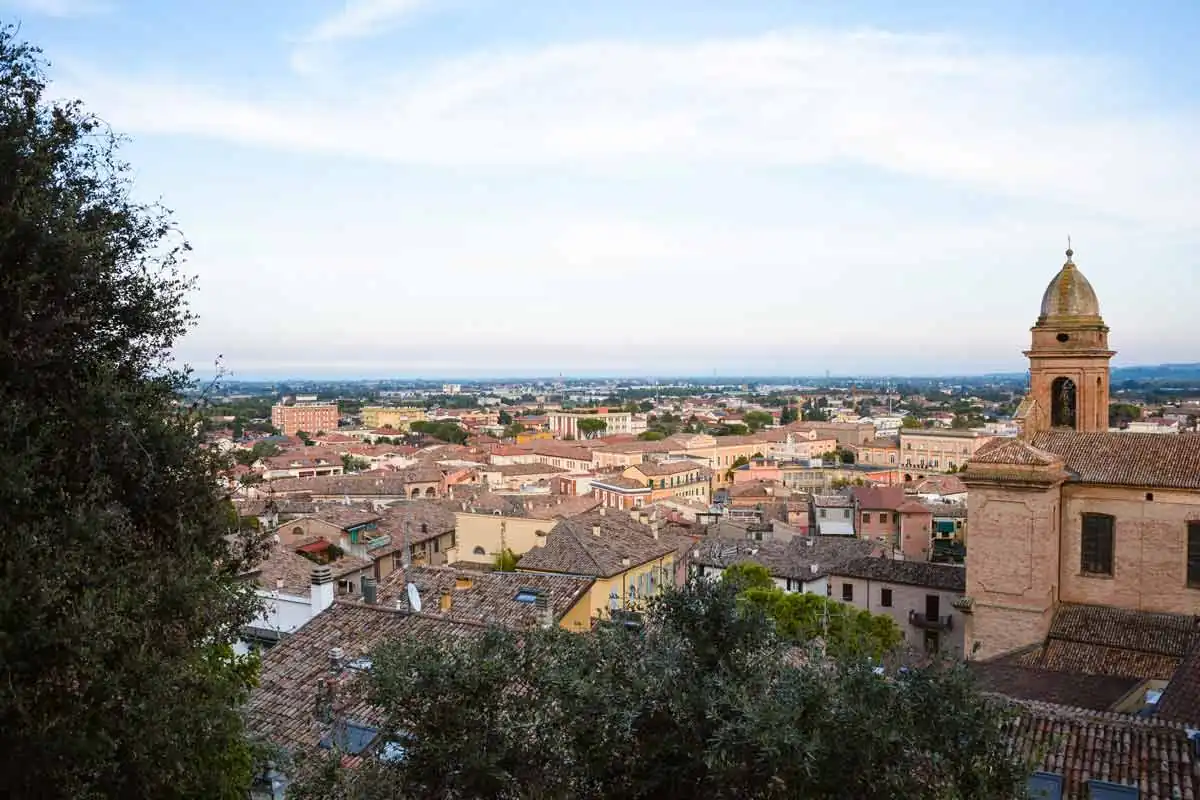
Santarcangelo di Romagna is explored by climbing from the centre towards Colle Giove, between Arco Ganganelli, Campanone, village streets and Rocca Malatestiana di Santarcangelo. The caves are visited on booked guided tours.
Start Romagna route 95 links Bellaria Igea Marina to Santarcangelo, with different services on weekdays, school days and holidays. From Santarcangelo, connections continue towards Torriana and Montebello, where Castello di Azzurrina has its own visiting calendar.
In Savignano sul Rubicone, the Roman consular bridge is the main stop on a central walk. Museo archeologico del Compito, on Via San Giovanni, is devoted to local finds: it opens from September to May and remains closed in summer.
Trains and buses for coastal trips
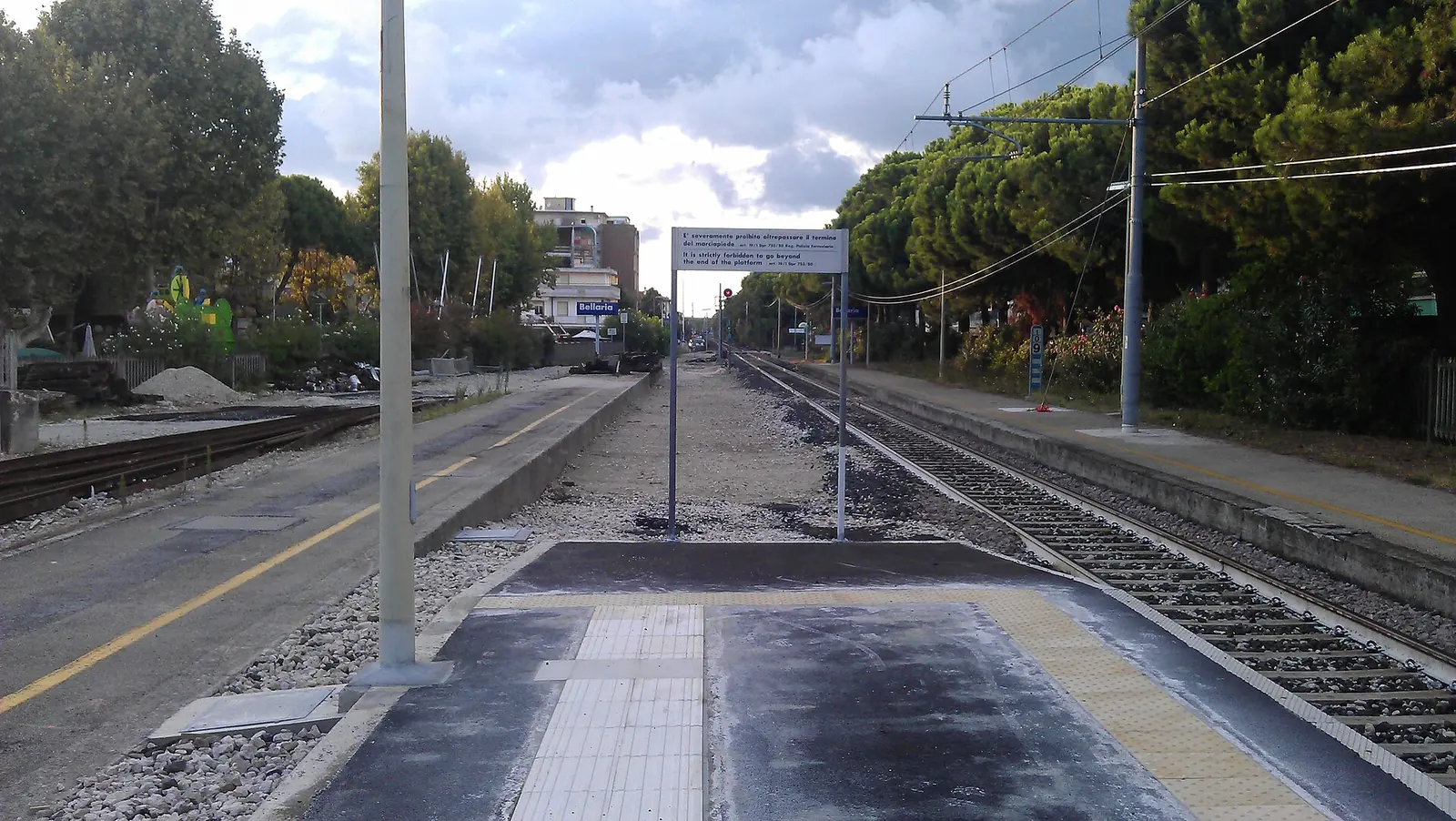
Bellaria and Igea Marina have two stations on the Rimini-Ravenna railway line. For a Rimini visit, the train can be compared with route 4, also considering the distance between stop and chosen destination. Timetables and changes are available in the official Start Romagna timetables.
The town tourist train is a seasonal service, separate from scheduled transport.
The Bellaria Igea Marina guide helps with planning town visits. Riviera Romagnola itineraries allow this riverside trip to be compared with other coastal and hinterland destinations.