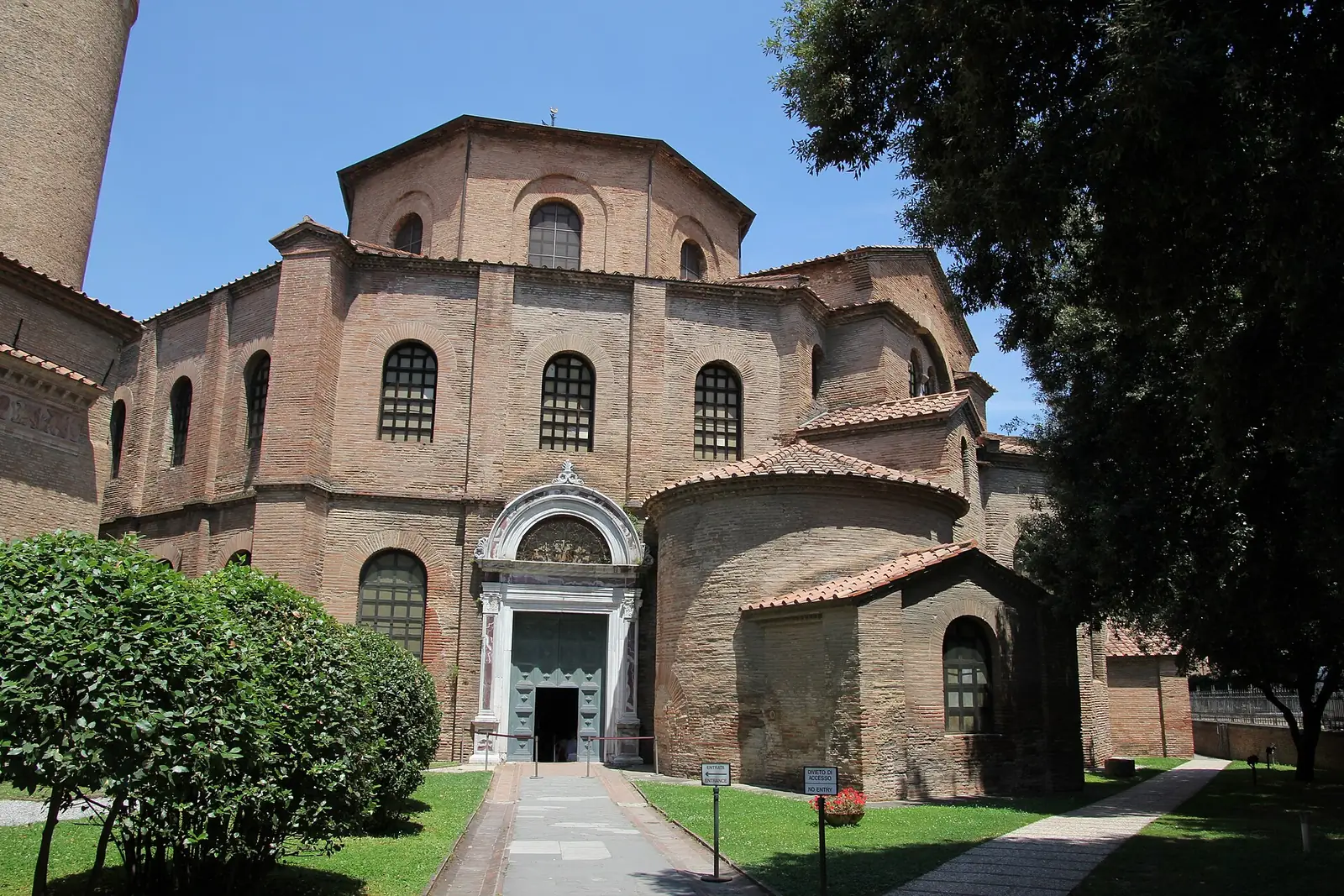
Ravenna is around 20 minutes by train from Cervia and suits a day visit, especially for its late antique mosaics. Eight monuments have been UNESCO heritage since 1996: five belong to the Archdiocese and share a combined ticket; three are state museums with their own tickets. Six are in the centre, within walking distance of the station; Mausoleo di Teodorico is just outside, and Sant'Apollinare in Classe a few kilometres south.
The eight UNESCO monuments
| Monument | Location | Operator |
|---|---|---|
| Basilica di San Vitale | centre, beside Galla Placidia | Opera di Religione della Diocesi |
| Mausoleo di Galla Placidia | centre | Opera di Religione della Diocesi |
| Battistero Neoniano | centre, Duomo area | Opera di Religione della Diocesi |
| Cappella Arcivescovile (di Sant'Andrea) | centre, in Museo Arcivescovile | Opera di Religione della Diocesi |
| Basilica di Sant'Apollinare Nuovo | centre, towards the station | Opera di Religione della Diocesi |
| Battistero degli Ariani | centre | Musei nazionali di Ravenna (state) |
| Mausoleo di Teodorico | outside the historic centre | Musei nazionali di Ravenna (state) |
| Basilica di Sant'Apollinare in Classe | in Classe, a few kilometres south | Musei nazionali di Ravenna (state) |
Mausoleo di Teodorico differs from the others: it has no mosaic interior, but is a stone building combining Roman tradition with Gothic and eastern influences.
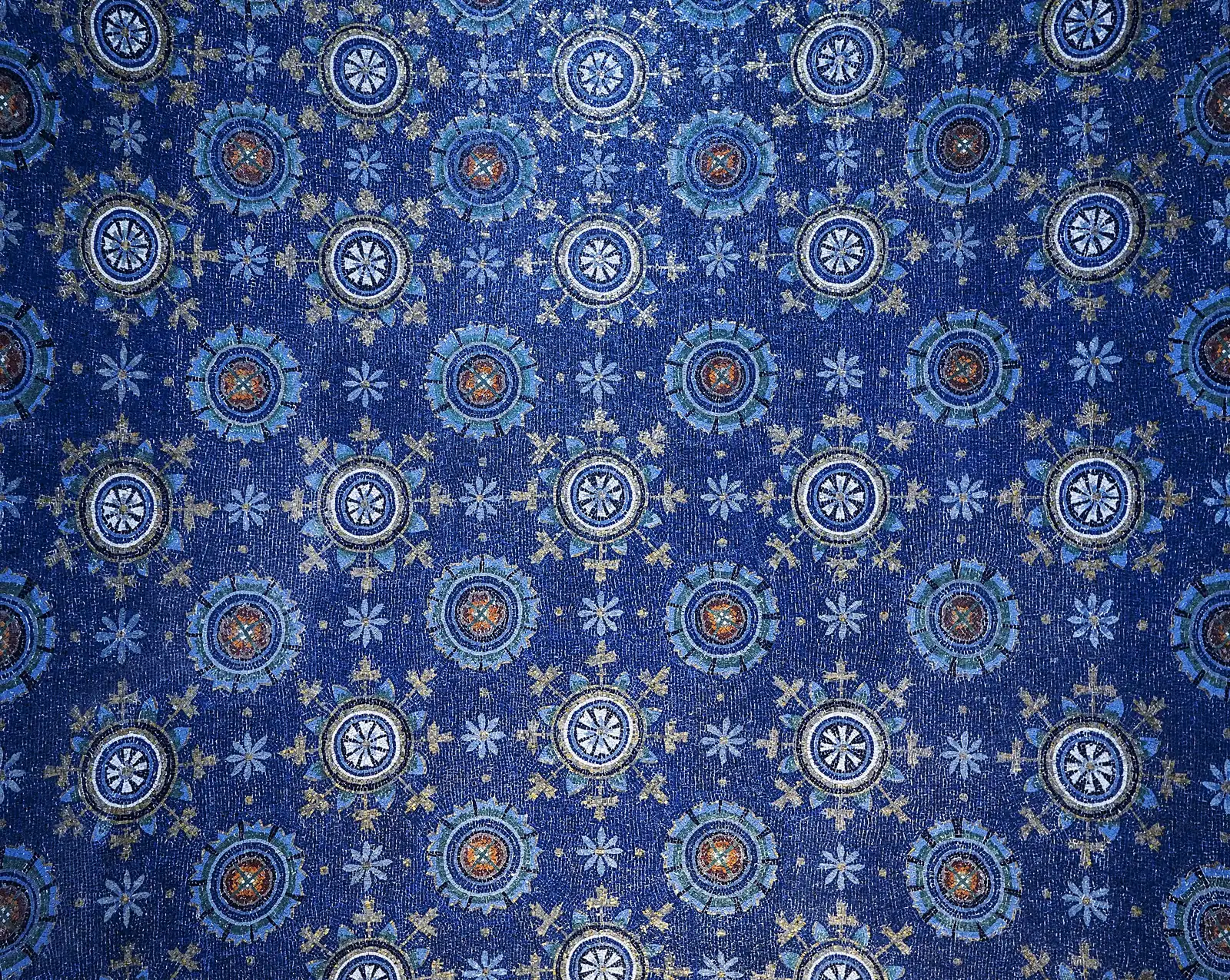
Central mosaics and tickets
San Vitale and Galla Placidia are close together and visited jointly. Battistero Neoniano and Cappella Arcivescovile are in the Duomo area; Sant'Apollinare Nuovo is towards the station. Pedestrian streets and squares connect the sites.
Opera di Religione della Diocesi sells a combined ticket in three versions:
| Itinerary | Included monuments |
|---|---|
| 2 monuments | San Vitale and Sant'Apollinare Nuovo, with the visiting day to be arranged |
| 4 monuments | the previous two, Galla Placidia and Battistero Neoniano |
| 5 monuments | the previous four and Museo Arcivescovile with Cappella di Sant'Andrea |
Galla Placidia and Battistero Neoniano are small: entry times must be booked free on the organisation's website. Hours and prices are on the diocesan monuments opening times and prices page; the three state monuments have individual or combined tickets with other Musei nazionali di Ravenna.
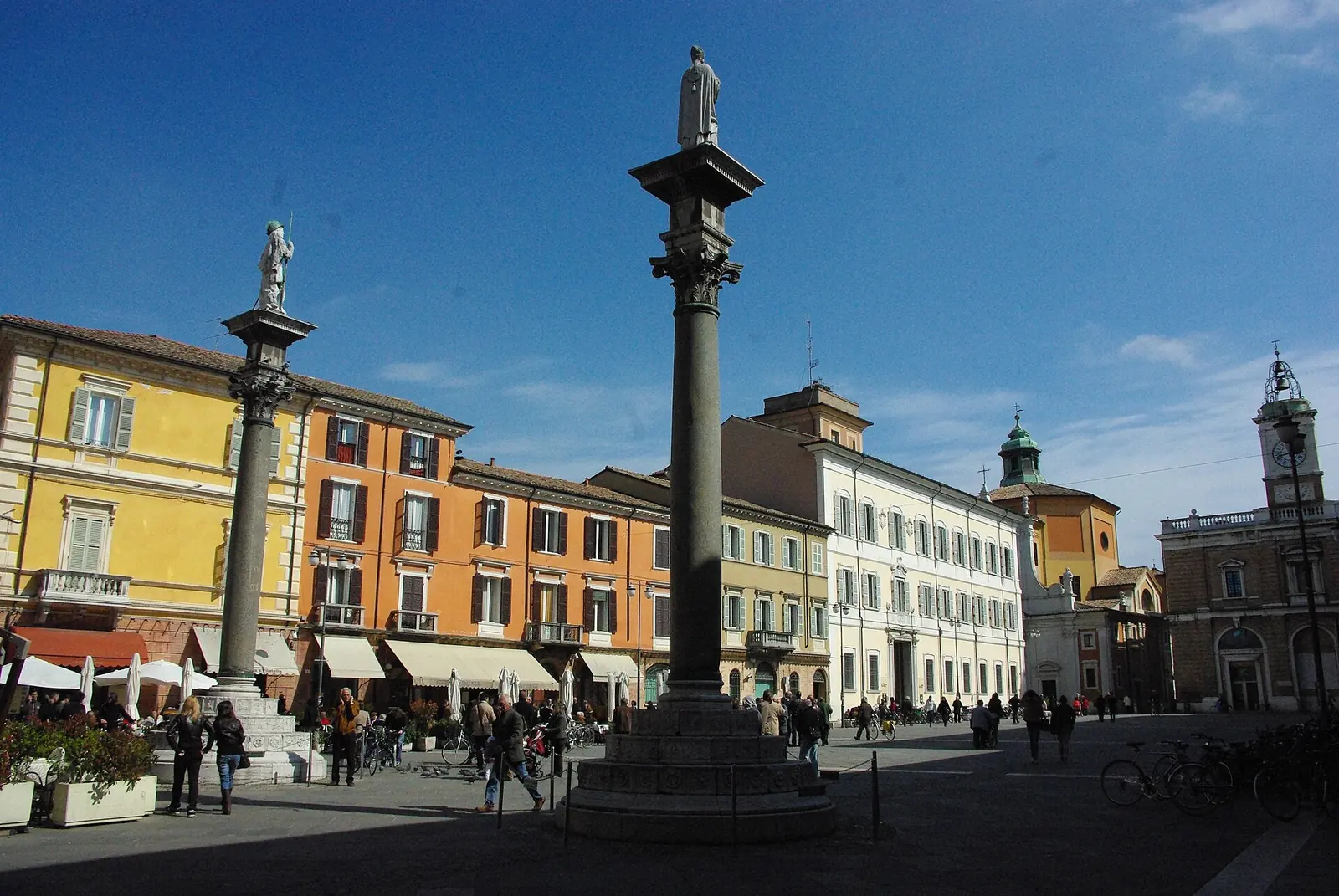
Dante's tomb and the squares
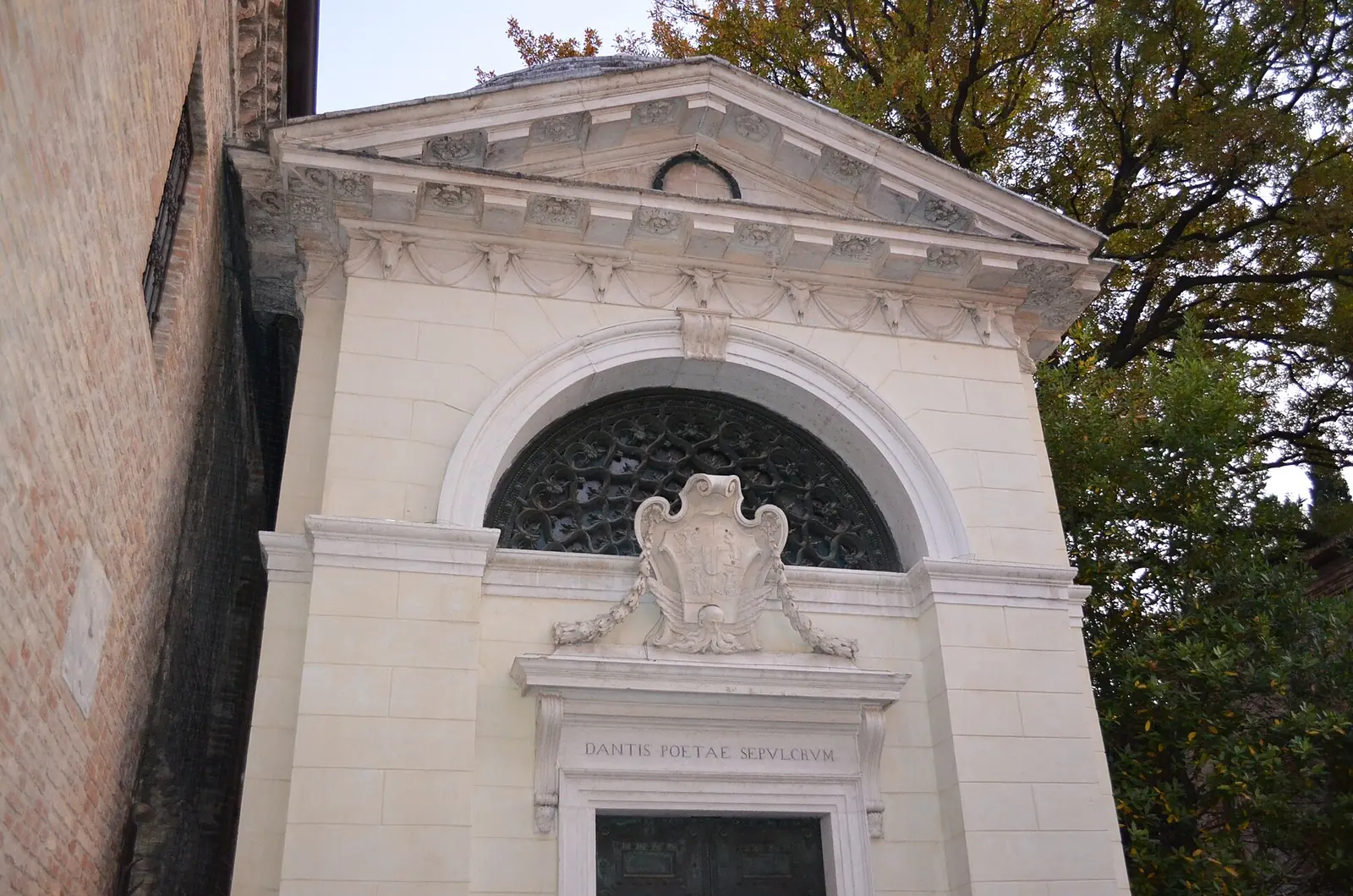
Dante's tomb is the centre's other destination. The poet died in Ravenna in 1321, and the small neoclassical building holding his remains stands beside Basilica di San Francesco, with Quadrarco di Braccioforte and other places commemorating Dante. Piazza del Popolo is a stop on the walk between monuments.
From Cervia by train, bus or car
| Transport | Connection |
|---|---|
| Train | Regional train from Cervia-Milano Marittima to Ravenna in around 20 minutes, several times daily; to Classe around 13 minutes (timetable valid until 12 December 2026) |
| Bus | Start Romagna route 176 Cervia-Milano Marittima-Ravenna, weekdays only, three services each way, around an hour (winter 2026-2027 timetable) |
| Car | The historic centre is largely a restricted traffic zone with monitored entrances: parking is outside |
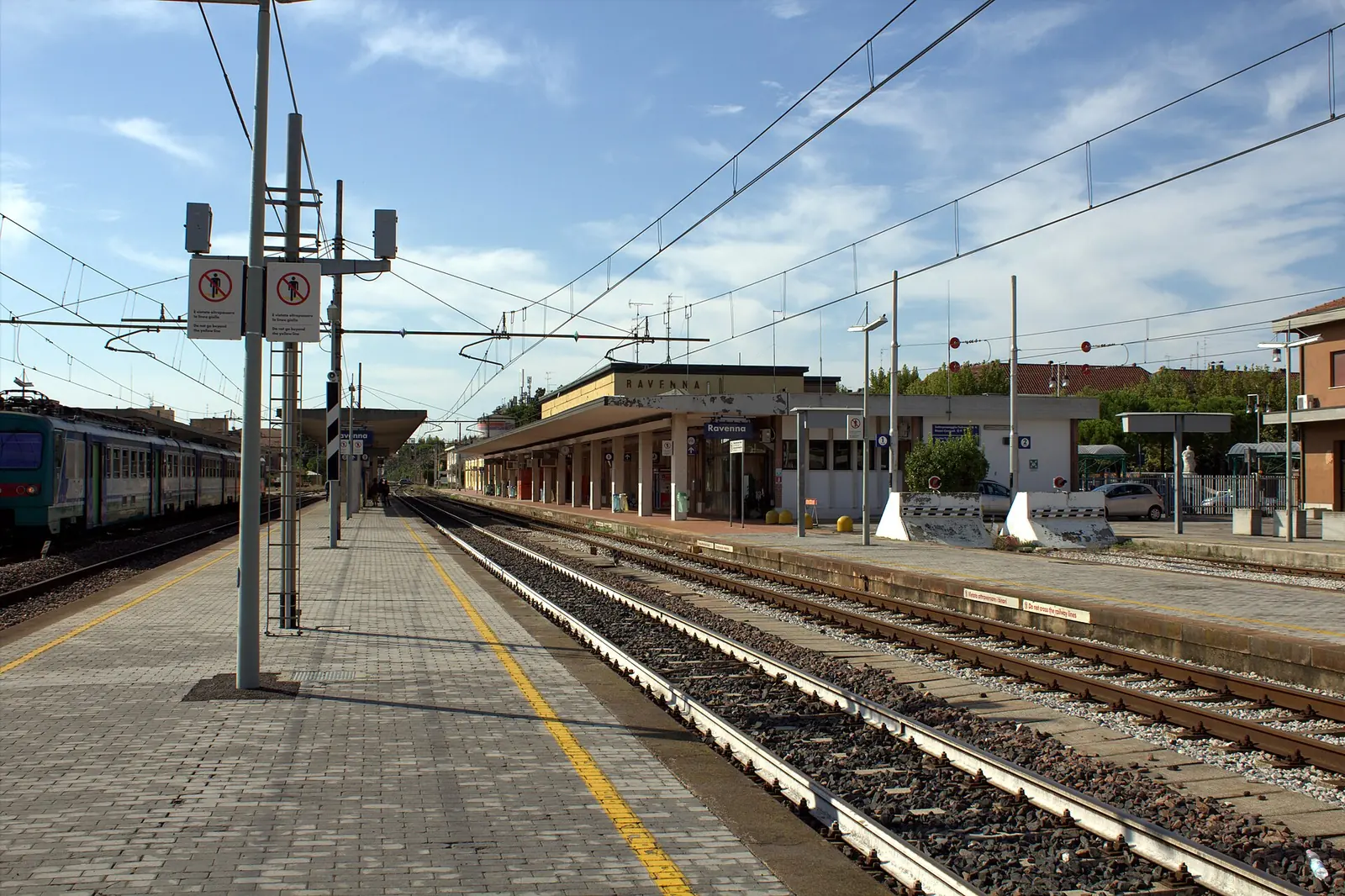
Ravenna station is in the heart of the historic centre, 200 metres from the start of the restricted traffic zone: onward travel is on foot. A new railway timetable takes effect on 13 December 2026.
Classe and a second day
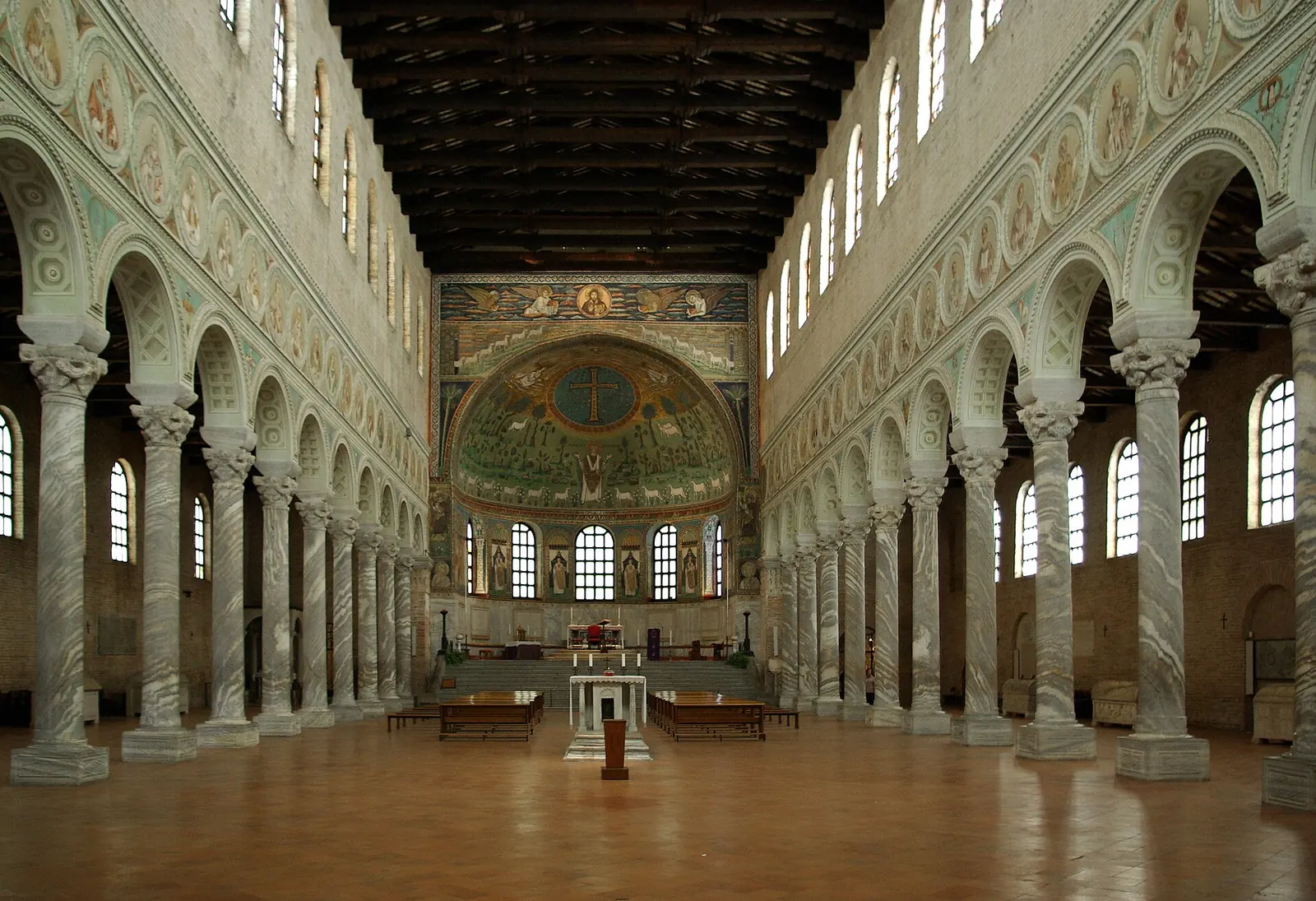
Sant'Apollinare in Classe, consecrated in 549, is a few kilometres south of the centre, within walking distance of nearby Classe station, where trains from Cervia stop; from Ravenna, route 4 also runs from the station. The apse mosaic, with Sant'Apollinare in prayer and twelve white lambs, warrants a visit in its own right.
For a first day from Cervia, the central mosaics and Dante area suffice. Classe and Mausoleo di Teodorico fit well into a second visit. Other nearby destinations, from pinewood to salt pans, are in excursions from Cervia.
Sources: Comune di Ravenna, tourism portal (Come arrivare, UNESCO monument listings); Opera di Religione della Diocesi di Ravenna, “Orari e prezzi”; Musei nazionali di Ravenna; Trenitalia, Emilia-Romagna regional timetable 14 June-12 December 2026; Start Romagna, route 176, winter 2026-2027 timetable; accessed on 10 October 2026.