Salt, mussels and Pinarella cardoons distinguish Cervia's cooking alongside piadina and traditional fresh Romagna pasta. The canal harbour and centre are main areas for dinner; Pinarella and Tagliata make it possible to eat in the same neighbourhoods as a day at the beach. Season matters mainly for vegetables and food festivals.
Sweet salt and its history
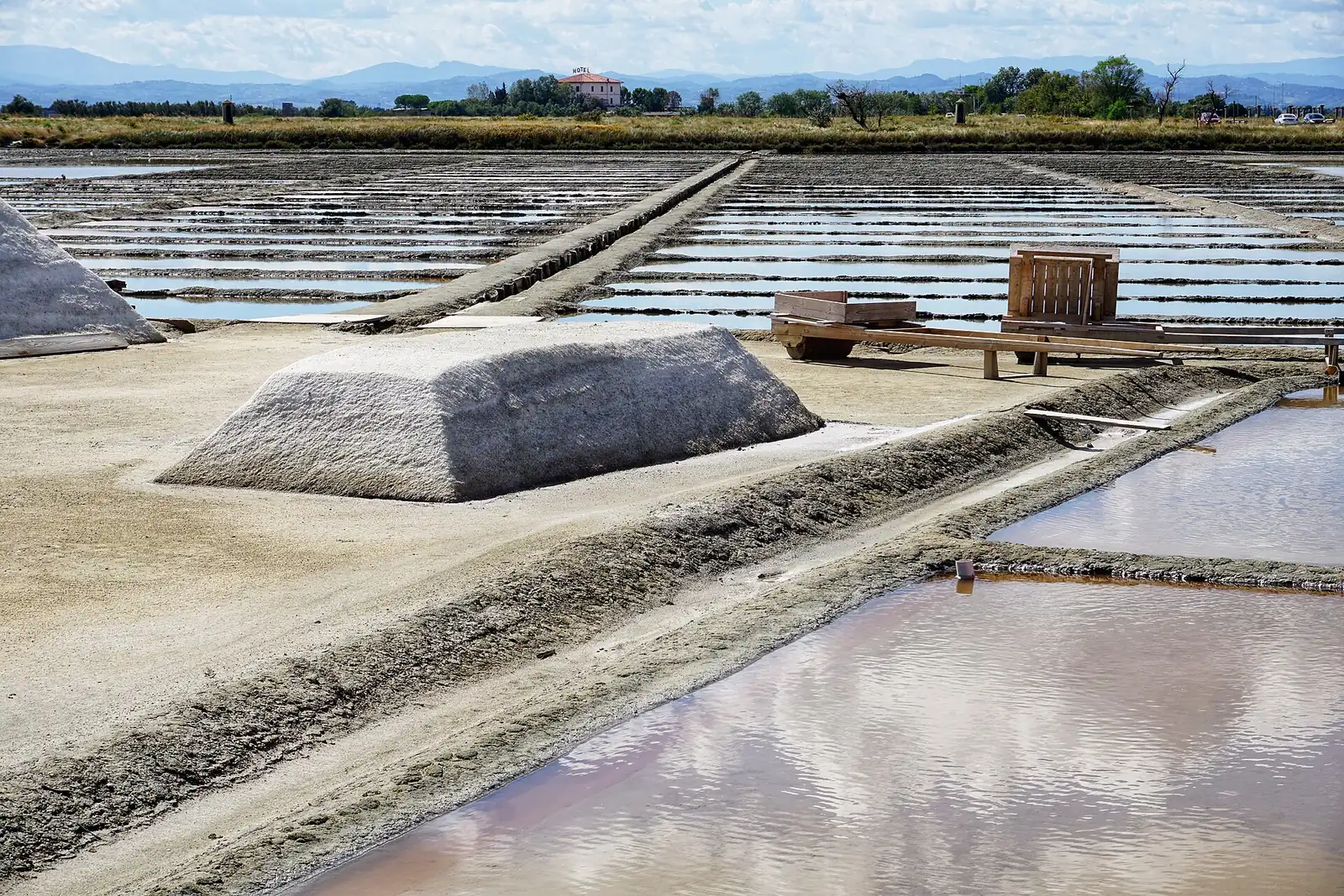
Cervia salt is called sweet because of the purity of its sodium chloride: during processing in the 827-hectare salt pan, the other, more bitter salts in seawater are separated. It is not sweet like sugar and is used in cooking and various local food products.
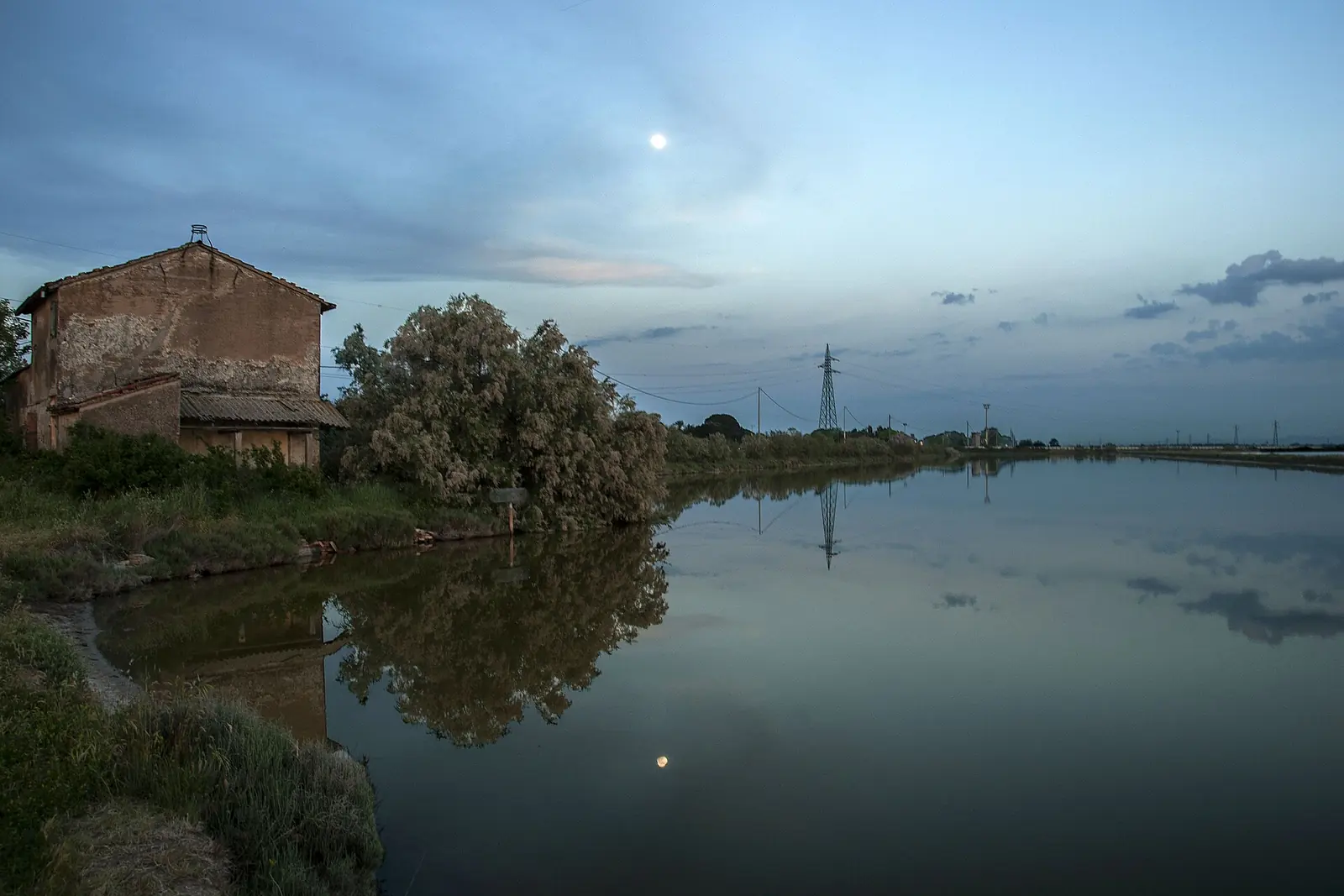
Salina Camillone preserves traditional harvesting, and the Slow Food presidium for Cervia's traditionally produced sea salt refers to the salt made there. MUSA, Museo del Sale instead explains the salt workers' work and tools.
Mussels, brodetto and seafood cooking
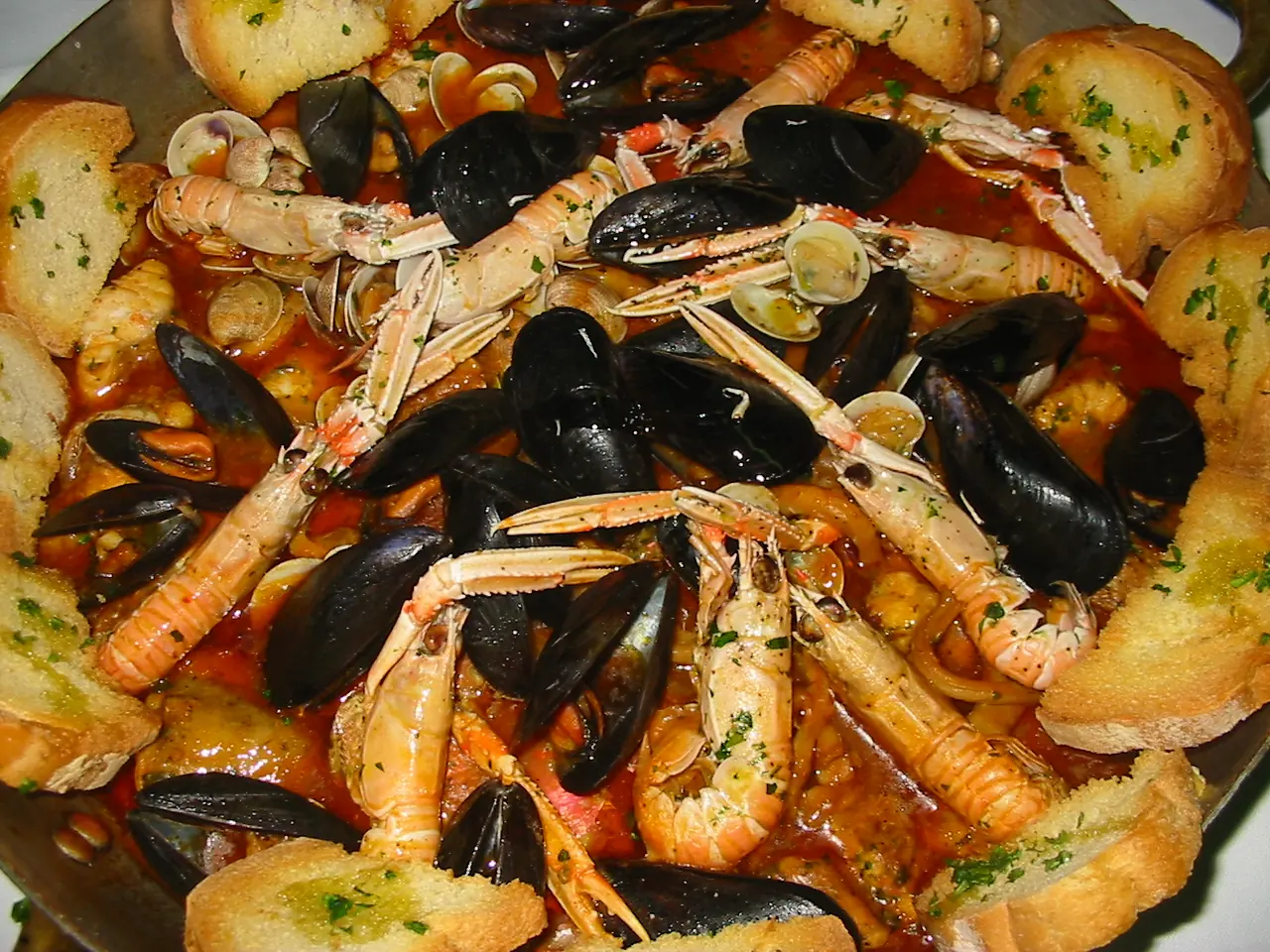
Cervia mussels are farmed about three miles offshore in class A waters and hand-selected on board by fishermen. Seafood cooking also includes oily fish, shellfish first courses, fried fish and brodetto, combining several fish species in recipes that vary along the Adriatic.
Cervia's sweet cardoon is a variety of cardo gobbo grown by hand in Pinarella's sandy fields: the plant is bent and buried and loses its bitter aftertaste as it matures beneath the sand. It is a winter product, available in small quantities and identifiable by its label; it is used in first courses such as cappelletti and passatelli and paired with fish.
Piada, pasta and sweets
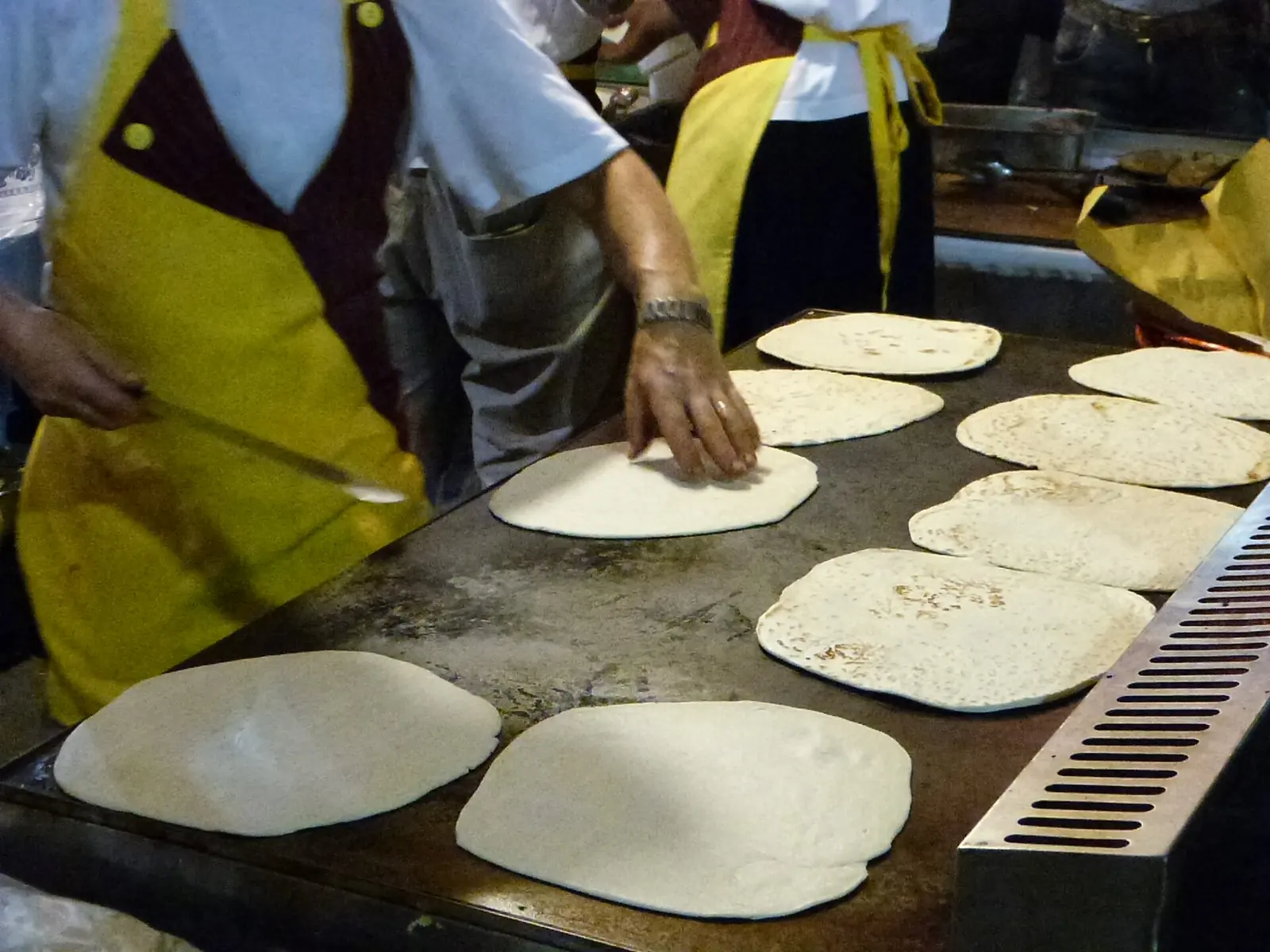
Piadina kiosks form part of Cervia's landscape and its districts, and the Comune lies within the production area of Piadina Romagnola IGP. A piada filled with cured meats, cheeses or vegetables offers a quick stop; an unfilled piada can also accompany a seated meal. A cassone is closed before cooking.
Tagliatelle, cappelletti, passatelli and strozzapreti add inland cooking. Sweets include Romagna ciambella and Torta della Zitella, created by Cervia's catering school for Sposalizio del Mare with almonds, pine nuts, sponge cake, alchermes and blackberry jam. Its festival takes place in September in Milano Marittima, where the guide to where to eat in Milano Marittima also recounts the kiosks' history.
Dining areas and food festivals
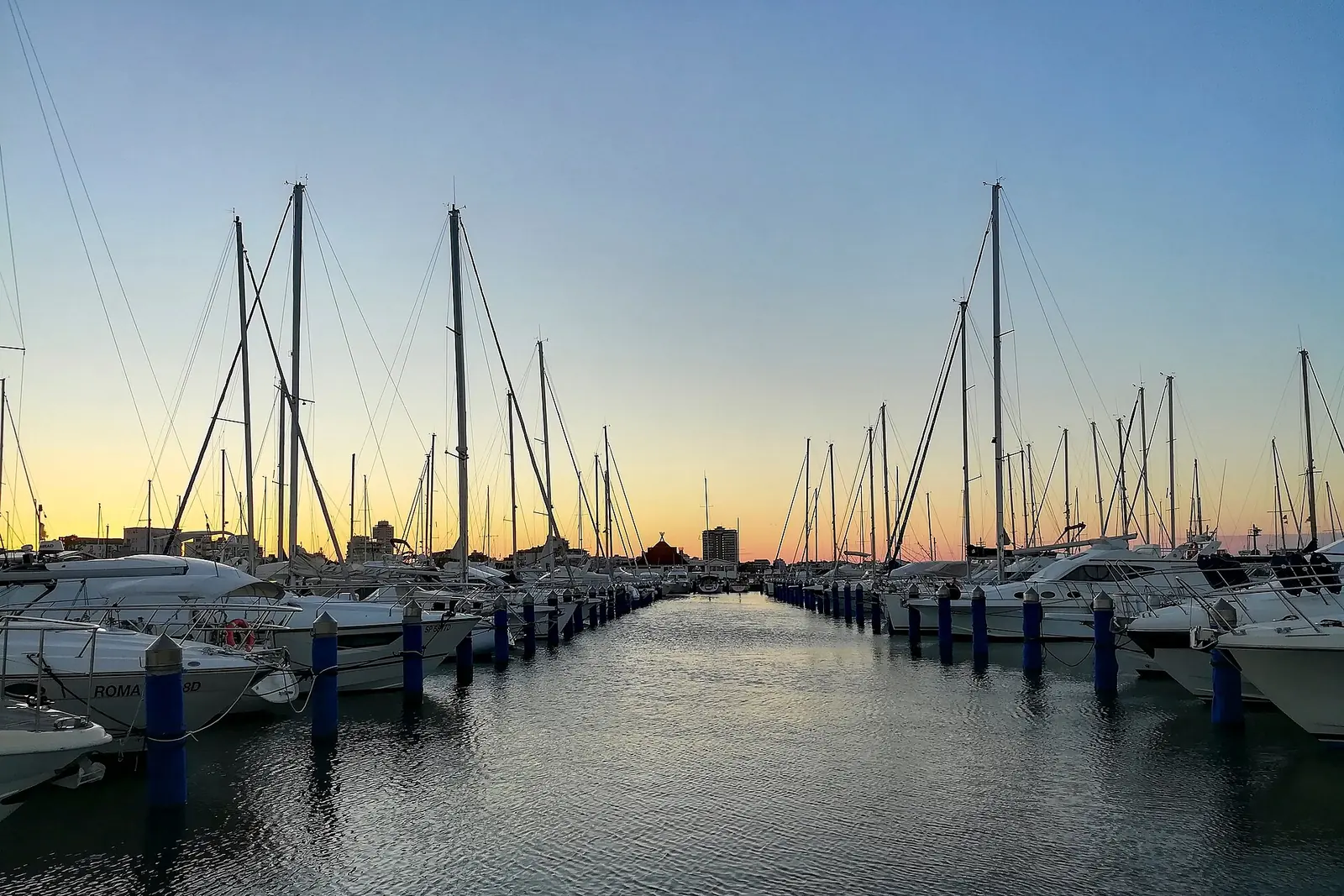
Borgomarina and the canal harbour offer a setting linked with fishing and walking. The historic centre combines a meal with Piazza Garibaldi and the monuments. Places to buy salt are described in shopping in Cervia. Pinarella and Tagliata instead serve visitors spending the day on those parts of the coast.
Three festivals follow the produce calendar. In January, Festa del Cardo Gobbo brings stalls and small markets to the historic centre between Piazza Garibaldi and Piazzetta Pisacane; in March, Sagra della Seppia opens the season in Pinarella alongside Fiera di San Giuseppe; in early September, Sapore di Sale celebrates salt-making culture between the canal harbour and Magazzini del Sale. Dates for each edition appear under Cervia events. Beyond meals, the guide to entertainment in Cervia covers town squares and activities.