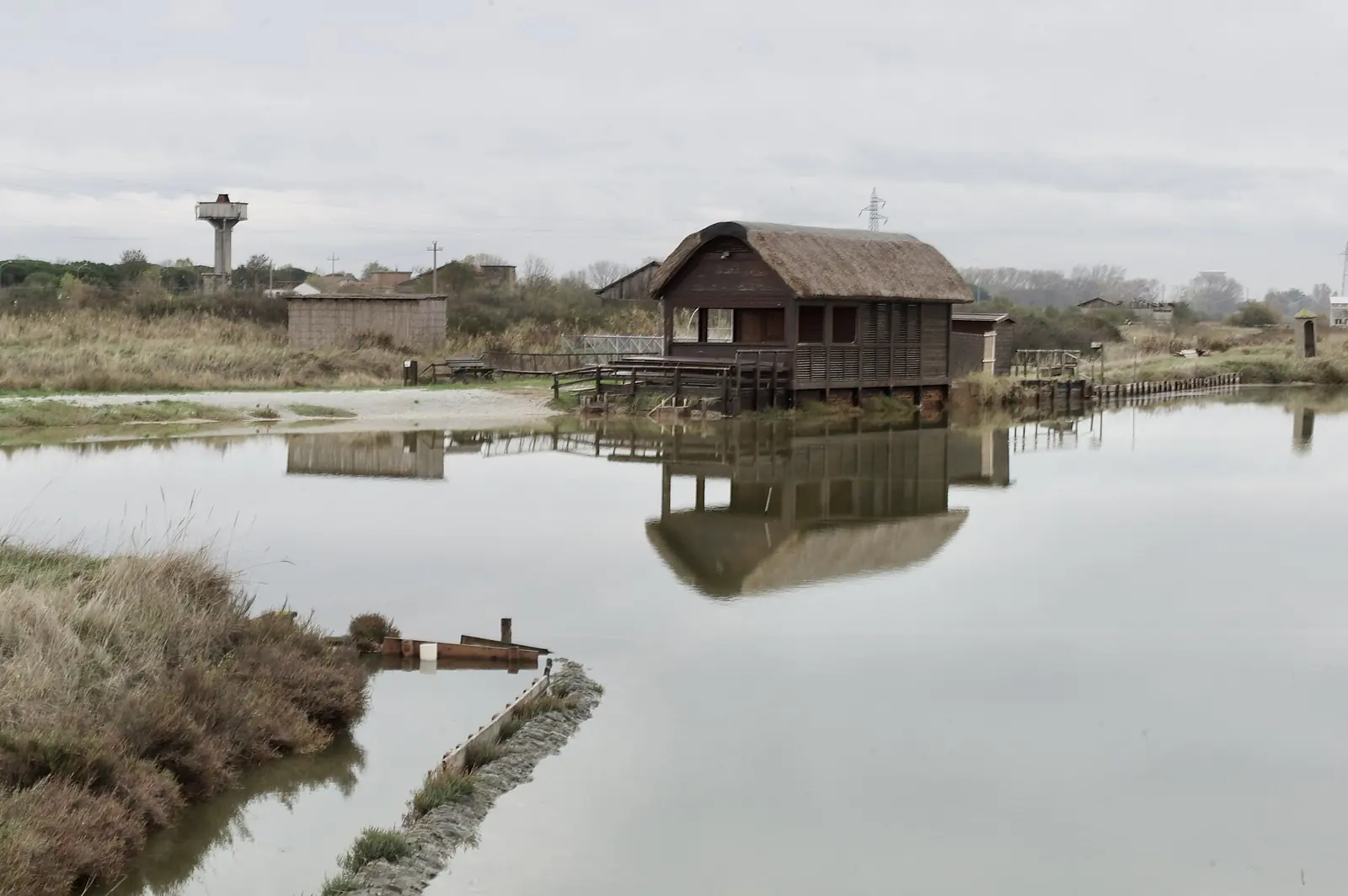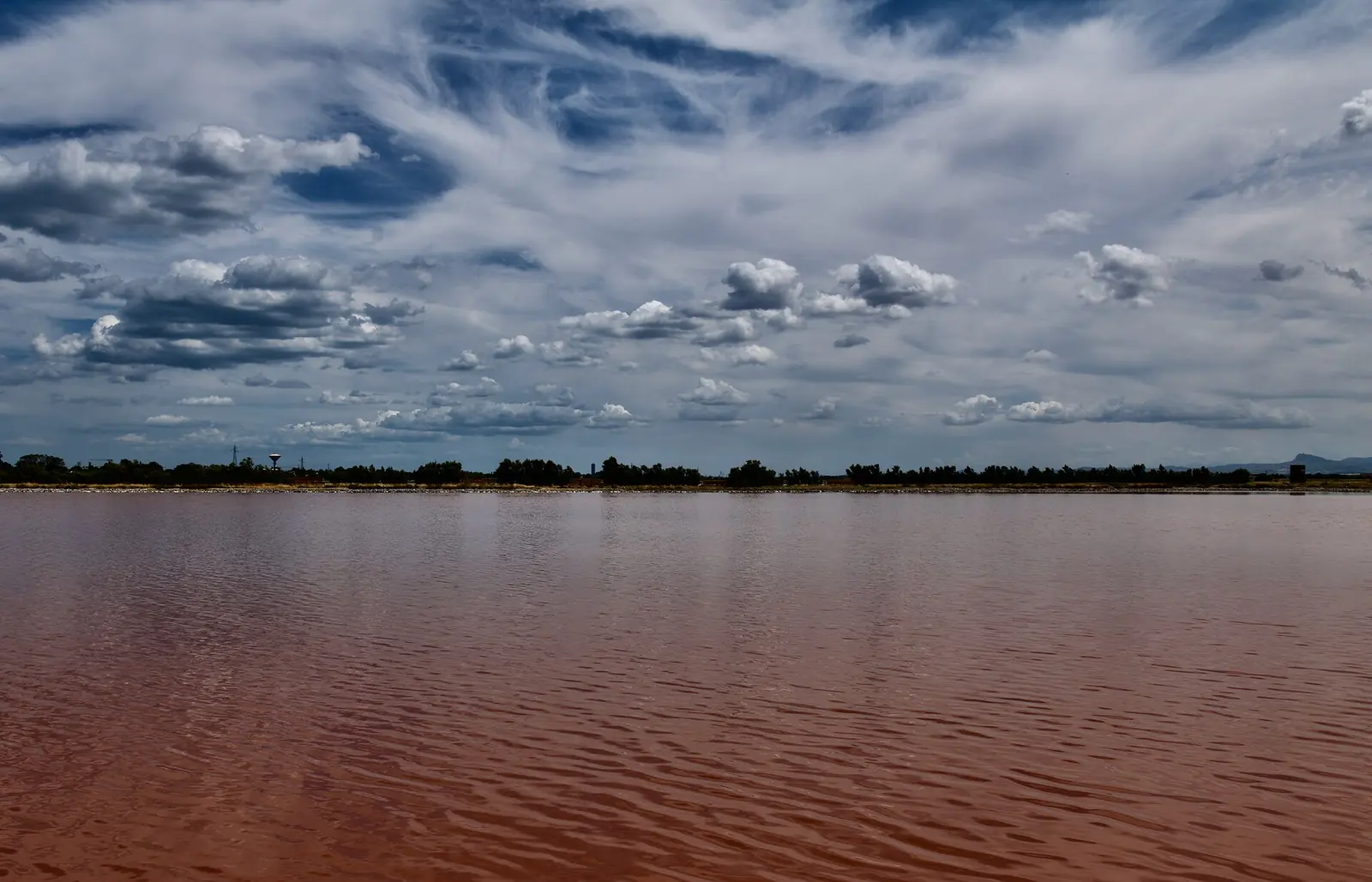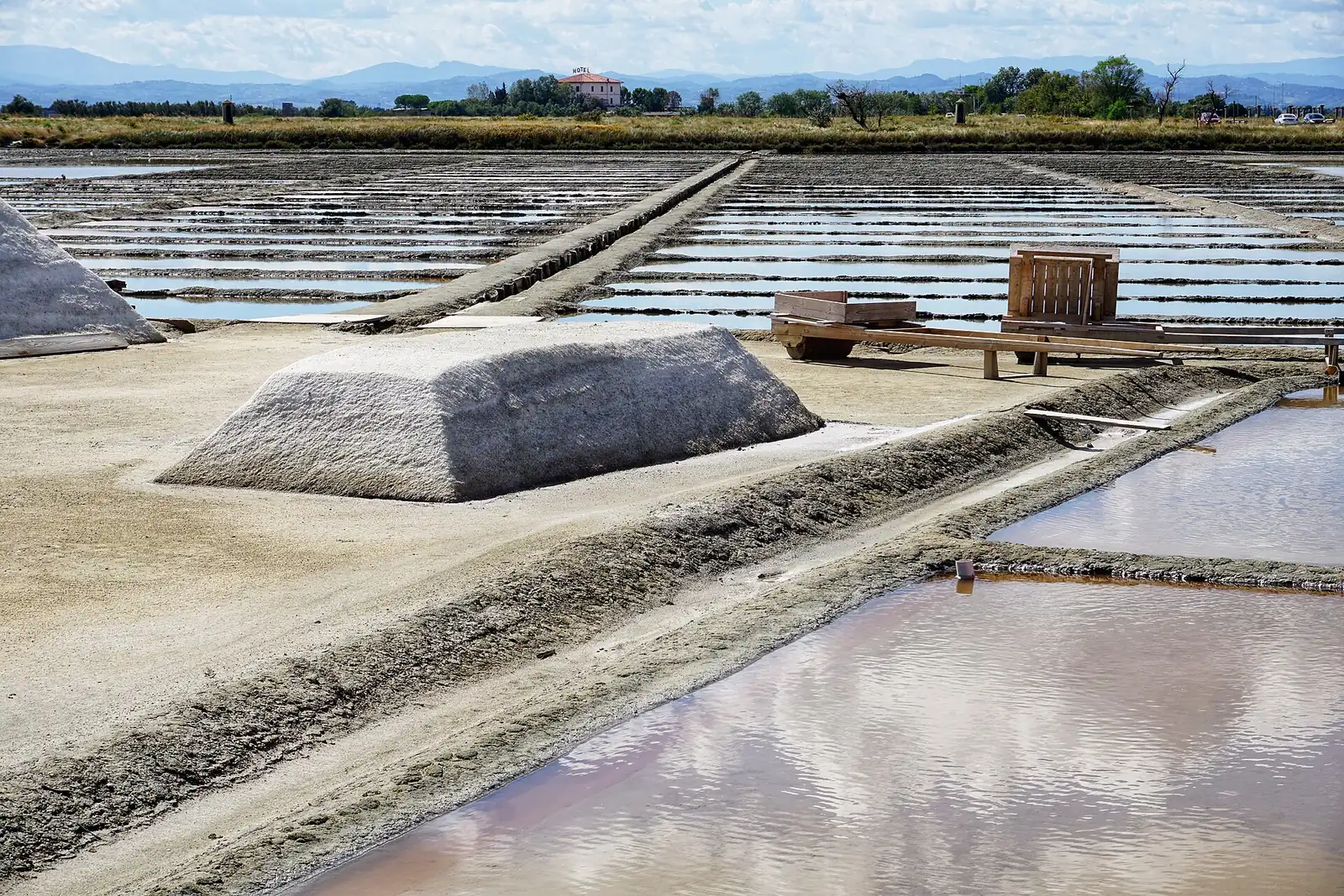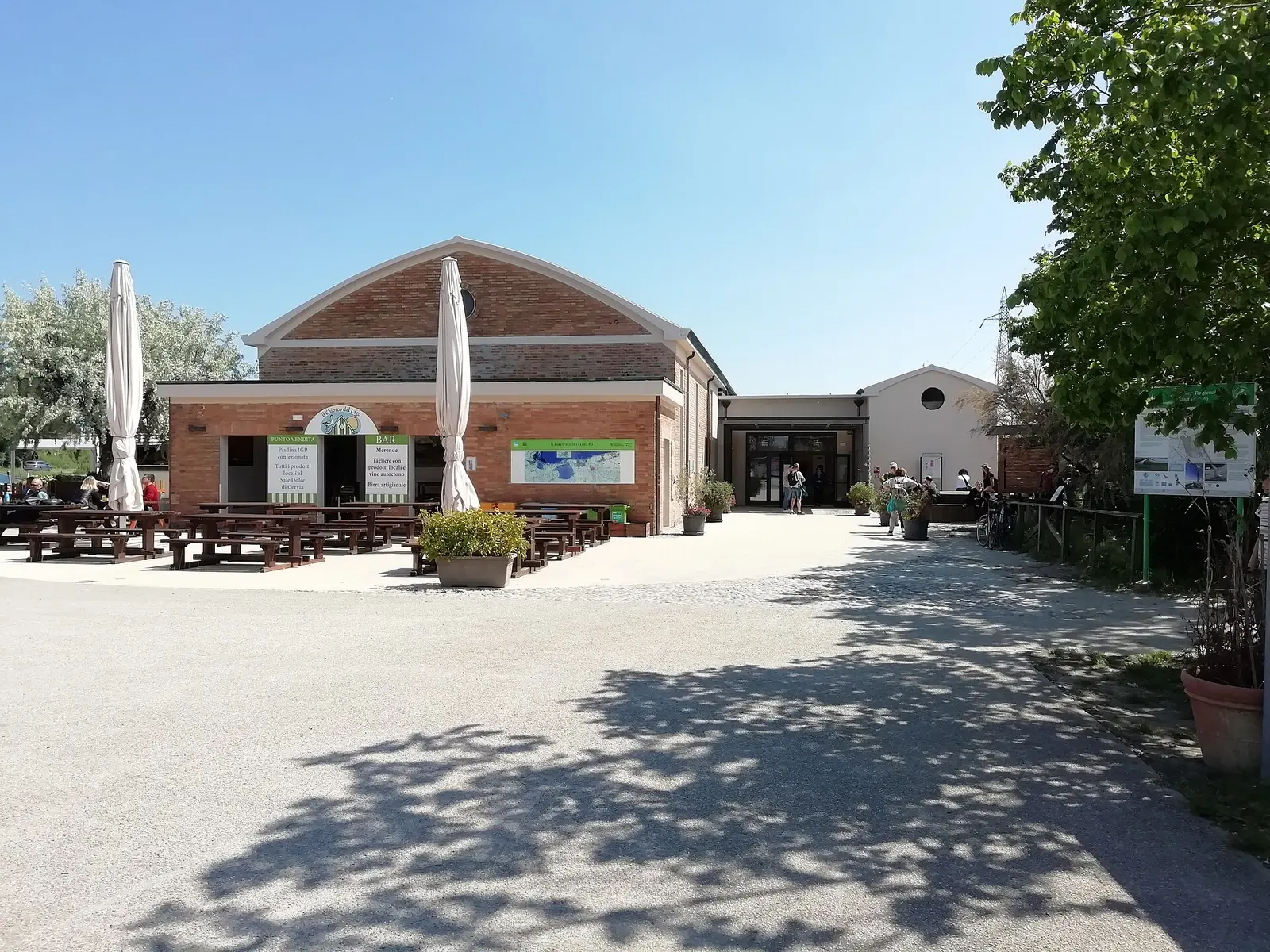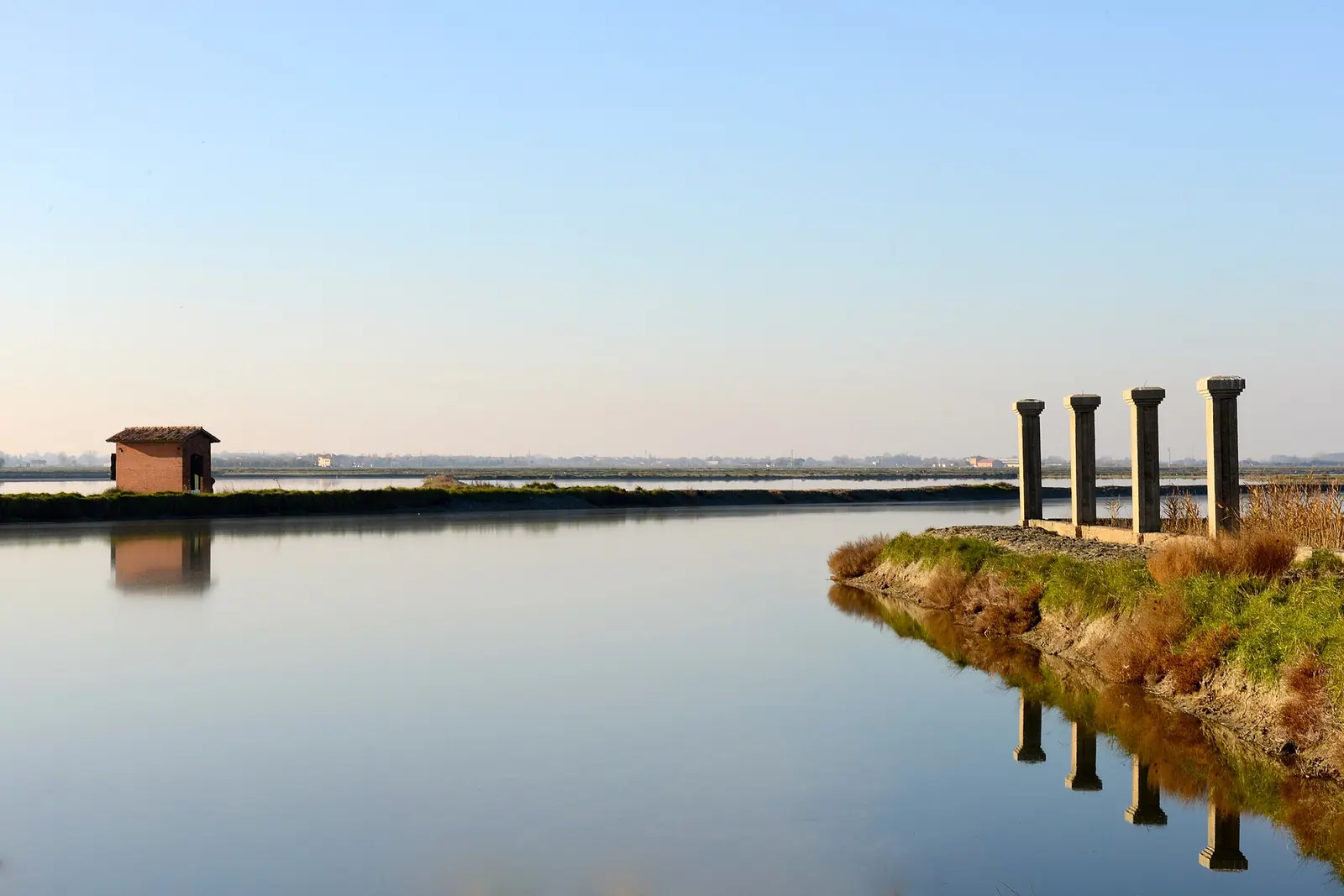
Salina Camillone, on Via Salara towards Forlì, is Cervia's last salt pan still worked by traditional methods. It is MUSA's outdoor section and preserves salt workers' practices through demonstrations and visits. Entry is only with a guide, starting from Centro Visite at 61 Via Bova.
The method preserved since 1959
In 1959, the small family-run salt pans, about 150, were merged into large basins and harvesting became mechanised. Camillone retained the Cervia method, with wooden tools and frequent summer harvests, alternating basins.
Volunteer salt workers continue the work to share traditional techniques. Salt is harvested daily in summer, moving from basin to basin.
The walk and museum
The guided walk Tracce di un'antica salina romana runs from Centro Visite to Camillone: about one kilometre return over flat ground, with compulsory booking. Along the route, the guide explains Roman salt production and the 2015 excavations that uncovered a third-century BC Roman salt pan. The 2026 calendar runs from 9 June to 1 November, on Saturdays and Sundays in autumn.
In summer, salt workers from Gruppo culturale Civiltà Salinara also lead Camillone visits on Thursdays and Sundays at 5pm, meeting at Centro Visite; MUSA is the point of contact for these visits.
MUSA in central Cervia preserves tools and the original burchiella boat; the sweet salt and salt pans page explains the relationship between production, landscape and town.
Images